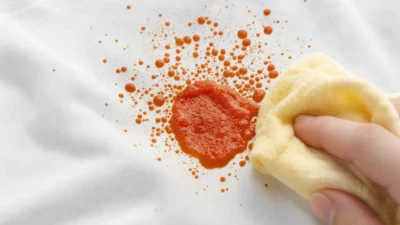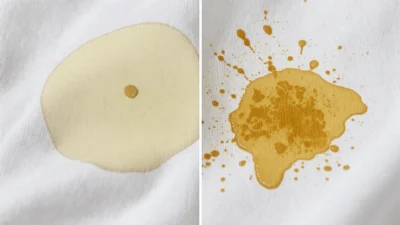
When a glass of red wine tips or a dollop of gravy splatters, your first instinct is to panic about the stain. But here’s the counterintuitive truth: the stain itself is rarely the real problem. The true enemy is often your fabric. That frantic scrub with hot water on a delicate silk blouse or a vigorous rub on a wool sweater can do more permanent damage than the coffee ever could. This guide flips the script on traditional stain removal. Instead of starting with “what spilled,” we begin with “what is it spilled on?” By adopting this fabric-first mindset, you can tackle everyday food and drink stains on clothes with confidence, using the right first move to lift the spill without harming the material.
When you spill food or drink on your clothes, the most important factor isn’t the stain itself—it’s the fabric. Your first move should always be to identify the fabric type and apply its corresponding gentle-first treatment principle. For delicate fabrics like silk and wool, immediately blot—never rub—with a cold, damp cloth. For durable cottons and linens, a cold water rinse or a pre-treatment spray is safe. For synthetics like polyester, dab with a mild solution and avoid heat, which can set the stain.
The Fabric-First Mindset: Why Your Material Dictates Your Move
When a spill happens, your instinct is to attack the stain. This is where most people go wrong. The color of the spill—whether it’s red wine or coffee—is a secondary concern. The primary factor that determines your success or failure is the fabric you‘re trying to save. Using a method that’s perfect for denim can permanently ruin silk.
Think of it like skincare: you wouldn’t use a harsh exfoliant on sensitive skin, just as you wouldn’t scrub delicate lace. Your first move must be a diagnosis, not an attack. This approach turns a frantic reaction into a calm, effective response.
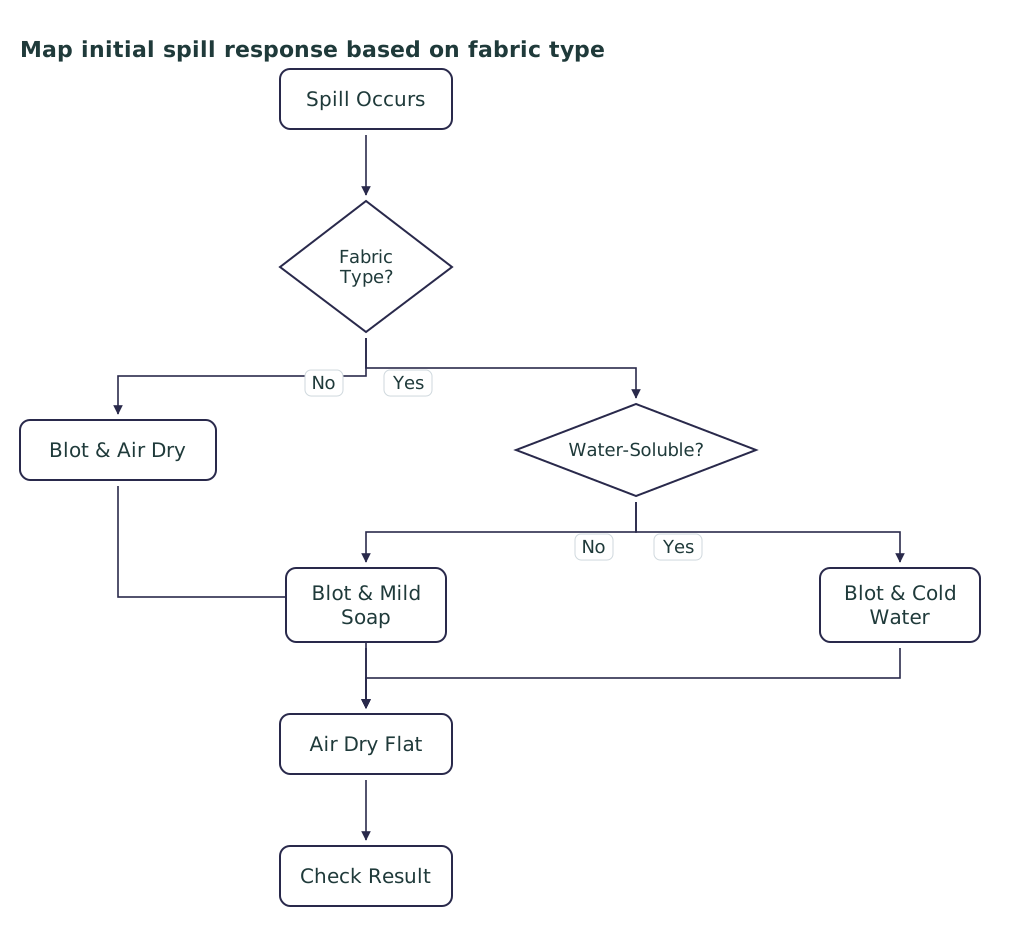
We’ll break fabrics into three broad, easy-to-identify categories. Your entire stain removal by fabric strategy flows from this single decision:
- Delicate Fabrics (Silk, Wool, Lace, Cashmere): Philosophy = Blot, never rub. Be patient.
- Durable & Natural Fabrics (Cotton, Linen, Denim): Philosophy = Rinse & pre-treat. You can be more direct.
- Synthetic & Performance Fabrics (Polyester, Nylon, Spandex): Philosophy = Dab, avoid heat. Oil is your enemy.
Identify the category, and you’ve already won half the battle. The rest is applying the right technique.
Category 1: Delicate Fabrics (Silk, Wool, Lace, Cashmere)
This category demands respect. These fibers are fragile, prone to water spotting, and can be damaged by agitation or heat. Your goal is to lift the stain without disturbing the fibers or spreading it.

The Golden Rule: Blot, Never Rub
Rubbing grinds the stain particles deeper into the fibers and can distort the fabric’s weave. Always use a clean, white, absorbent cloth or paper towel to press down and lift the moisture away. Work from the outside of the stain inward to prevent it from spreading.
Your First-Action Toolkit
For a fresh spill, your safest first steps are cold water and a mild detergent. Here’s how to execute a fabric-specific stain treatment for delicates:
- Cold Water Rinse: Hold the stained area under a gentle stream of cold water from the backside, pushing the stain out through the fabric, not deeper into it. For non-washable items, use a damp cloth to dab.
- Mild Detergent Solution: Mix a drop of clear, mild dish soap or a detergent designed for delicates with cold water. Using a cotton swab or corner of a cloth, dab the solution onto the stain, then blot with a clean, damp cloth to rinse.
- Check the Care Label: Always look for dry-clean only symbols. If in doubt, dabbing with cold water and seeking professional help is the safest gentle stain removal method.
Absolute No-Nos: Hot water (sets protein stains like egg or dairy), vigorous scrubbing, and harsh stain removers or solvents. If you’re dealing with a prized garment, taking it to a professional cleaner who understands the fabric is often the wisest choice.
Category 2: Durable & Natural Fabrics (Cotton, Linen, Denim)
This is your most forgiving category. Cotton, linen, and sturdy denim are workhorses that can handle more assertive treatment. You have a wider arsenal of fabric-safe stain removers at your disposal, but a smart strategy still yields the best results.
Water-Based vs. Oil-Based: Your First Divergence
Once you’ve identified a durable fabric, your next quick decision is the stain type. This dictates your first weapon of choice.
- For water-based spills (soda, juice, coffee, wine): The classic remove beverage stains from clothing move is a cold water flush. Rinse thoroughly from the back to push the stain out. For colored drinks, you can follow with a dab of diluted white vinegar (1 part vinegar to 2 parts water) to help neutralize the stain, then rinse again with cold water.
- For oil-based spills (grease, butter, salad dressing): Water will bead up. Your first action should be to blot away excess grease, then apply a few drops of clear dish soap directly to the stain. The soap will break down the oil. Gently work it in with your fingers or a soft brush, let it sit for 5-10 minutes, then rinse with warm (not hot) water.
When to Use a Pre-Treatment Spray
For set-in stains or as a follow-up step, a commercial pre-treatment spray is highly effective on these fabrics. Spray, let it penetrate for the time indicated on the label (usually 5-15 minutes), then launder as usual in the warmest water safe for the fabric. The key with durable fabrics is that you can usually launder them immediately after pre-treatment, which is a luxury you don’t have with delicates.
Category 3: Synthetic & Performance Fabrics (Polyester, Nylon, Spandex)
Activewear, gym clothes, and many modern blends fall here. Synthetics like polyester are stain-resistant in some ways but notoriously good at holding onto oil-based stains. Their biggest vulnerability is heat, which can permanently set a stain.
The Heat Trap
The most common mistake with synthetics is applying heat—via hot water, a dryer, or an iron—before the stain is 100% gone. Heat bonds oil and many food dyes to synthetic fibers. Your mantra: cold treatment only until the stain is verified gone.
First Action for Common Scenarios
- Sports Drink or Sweat Stains: Rinse immediately with cold water. For salt and dye stains, a paste of baking soda and water applied gently can help lift the residue. Always rinse thoroughly with cold water.
- Protein Shake or Grease: Blot excess. Apply a drop of dish soap directly to the stain and gently dab it in with cool water. Let it sit for 10 minutes, then rinse thoroughly with cold water. Do not put it in the dryer until you are certain the stain is gone.
For tough stains on synthetics, a fabric-safe stain remover designed for activewear or a diluted oxygen-based bleach (like OxiClean) used in a cold water soak can be effective. Always check the care label and test in an inconspicuous area first, as some performance fabrics have special coatings.
Your Quick-Reference Stain & Fabric Matrix
This table puts the fabric-first philosophy into immediate action. Use it as a rapid guide for your most common food and drink stains on clothes dilemmas.
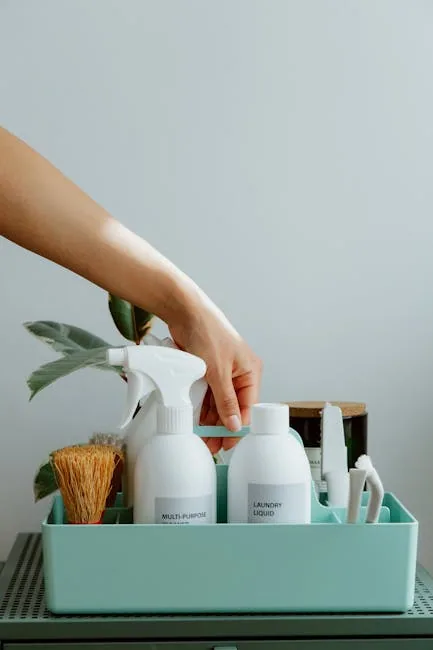
Photo by Ron Lach on Pexels
| Stain Type | Delicate Fabrics (First Action) | Durable Fabrics (First Action) | Synthetic Fabrics (First Action) |
|---|---|---|---|
| Coffee / Tea | Blot, then dab with cold water & mild detergent solution. | Rinse from back with cold water. Apply diluted vinegar if needed. | Blot, rinse with cold water. Dab with dish soap solution if milky/creamy. |
| Red Wine | Blot aggressively with salt or a clean cloth. Dab with cold water. | Rinse with cold water, then pour a little club soda through the stain and rinse again. | Blot, rinse with cold water. Avoid heat at all costs. |
| Cooking Oil / Grease | Blot with cornstarch or talc to absorb, then gently brush off. Seek professional help for large stains. | Blot excess, apply dish soap directly, work in gently, rinse with warm water. | Blot excess, apply dish soap directly, dab in with cool water, let sit, rinse with cold water. |
| Berry / Tomato Sauce | Dab with cold water. For washable items, a hydrogen peroxide (3%) dab can work—test first! | Rinse with cold water. Pre-treat with a stain remover or a paste of detergent and water. | Rinse with cold water immediately. Pre-treat with an oxygen-based cleaner in cold water. |
Build Your Fabric-First Stain Kit
Now that you have a system, your next logical step is to assemble a simple toolkit that reflects the fabrics you own most. You don’t need a cabinet full of specialty products. For most households, an effective kit includes: a clean white cloths or paper towels for blotting, a mild clear dish soap for oils, a bottle of white vinegar for water-based stains on durable fabrics, and a commercial enzyme-based pre-treatment spray for cottons and linens. Keep them together in a small caddy.
When a spill happens, you’ll no longer panic. You’ll identify the fabric, recall its philosophy, and reach for the right tool with confidence. You’re not just treating stains; you’re preserving your clothes. That’s the power of a fabric-first mindset.
The key to successful stain removal is to look at the fabric before you look at the stain. Your first action should always be determined by which of the three main fabric categories you’re dealing with: Delicate (blot, be patient), Durable (rinse and pre-treat), or Synthetic (dab and avoid heat). This simple framework prevents the most common damage and sets you up for the best chance of complete removal. Remember, identifying your fabric is the single most important step before you do anything else.
Q: Can I use vinegar or baking soda on all fabrics?
A: No. White vinegar (diluted) is generally safe on durable cottons and linens but can damage silk, wool, and acetate. Baking soda is abrasive; as a paste, it’s okay on sturdy fabrics but should be avoided on delicates. Always test in a hidden area first.
Q: What should I do if I don’t know what the fabric is?
A: When in doubt, treat it as delicate. Use the gentlest method: blot with a cold, damp cloth and a tiny bit of mild detergent. Check for a care label, often found along a side seam. If still unsure, dabbing with cold water is the safest non-damaging first step.
Q: Is it ever okay to use hot water first on a stain?
A: Rarely. Hot water can set protein-based stains (dairy, egg, blood) and tannin stains (tea, wine) permanently. Its use is generally reserved for the wash cycle after a stain has been fully pre-treated and lifted, and only on fabrics that tolerate hot water (like white cotton). Start with cold.
Q: How long do I have to treat a stain before it sets?
A: The sooner, the better. Fresh stains (within minutes to an hour) are always easier. However, “set” often refers to stains that have been dried with heat. As long as a stained garment hasn’t been through a dryer or iron, you can often still treat it effectively, even hours later.
Q: Can old, set stains be removed using these methods?
A: It’s much harder. For old, dried-in stains, a prolonged soak in an oxygen-based bleach solution (following product instructions) can help on colorfast durable and synthetic fabrics. For delicates or valuable items with set stains, consulting a professional cleaner is your best bet for success.