That heart-stopping moment when a glass of red wine tips over onto your favorite shirt is universal. In the ensuing panic, a well-meaning friend will almost certainly shout the oldest trick in the book: “Just pour white wine on it!” It sounds logical—dilute the red with white—but fabric care experts and cleaning science tell us this folk remedy is not just ineffective; it can make the problem worse. The truth is, to successfully remove a red wine stain from clothes, you need to act fast with the right techniques, not outdated myths. This guide cuts through the noise, debunking what doesn’t work and giving you a clear, actionable plan to tackle both fresh spills and stubborn, set-in stains on any fabric.
To remove a fresh red wine stain, immediately blot (don’t rub) with a clean cloth, then cover the stain with salt or pour club soda through it from the back. Pre-treat with a laundry stain remover and wash in cold water. Never use hot water or put the garment in the dryer until the stain is completely gone.
The White Wine Myth (And Why It Fails)
It’s the advice you hear at every party: “Quick, pour white wine on it!” The logic seems sound—dilute the red with a clear liquid. Unfortunately, this popular fix is one of the worst things you can do. Pouring white wine on a red wine stain doesn’t neutralize it; it simply spreads the pigments and adds more sugar and alcohol to the fabric, which can actually help set the stain during washing.
The real culprits in red wine are tannins and anthocyanins (the pigments that give red wine its color). These are stubborn compounds that bind to fabric fibers. Diluting them with another liquid, especially one that also contains sugars, does nothing to break that bond. As noted by fabric care experts like The American Cleaning Institute, the key to treating any stain is to remove the staining substance, not add more to it. Dismissing this myth is your first step toward using a method that actually works as a wine stain remover for fabric.
Your Immediate Action Plan for a Fresh Spill
Time is your greatest ally. Follow this sequence of DOs and DON’Ts in the first few minutes to prevent a permanent red wine stain on shirt or other clothing.
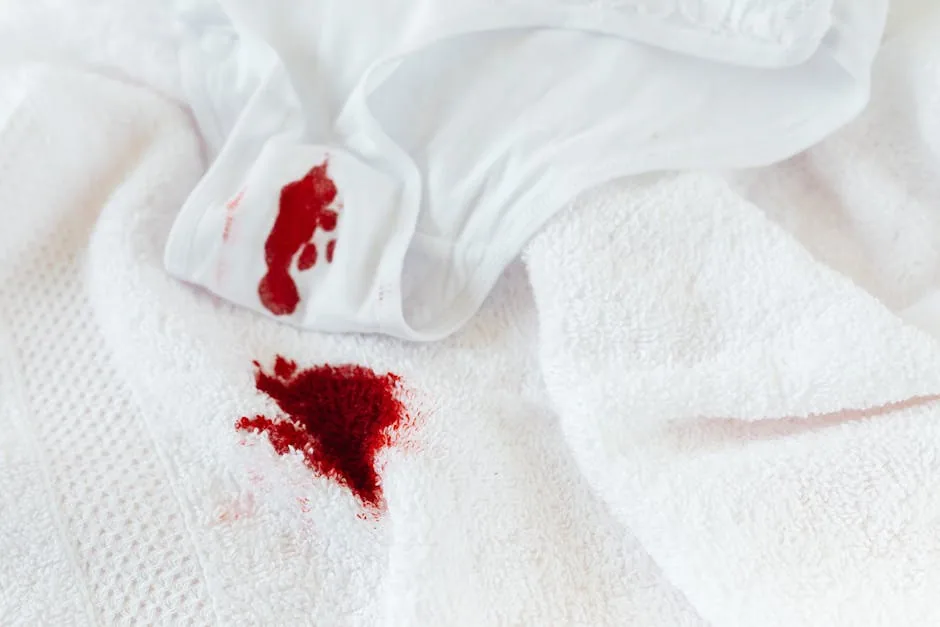
Photo by www.kaboompics.com on Pexels
What You MUST Do
Blot, Don’t Rub. Immediately grab a clean, absorbent cloth or paper towel. Gently press and lift to soak up as much wine as possible. Always work from the back of the stain if you can, pushing the liquid out through the fabric’s front instead of driving it deeper into the fibers.
Apply Salt or Club Soda. For a fresh spill, cover the damp area generously with table salt. It will act as a desiccant, pulling the wine out of the fabric. Alternatively, pour club soda (the colder the better) through the stain from the back. The carbonation can help lift the pigments. Let it sit for 5-10 minutes, then blot away the moisture.
What You MUST NOT Do
Don’t Rub Vigorously. Rubbing grinds the pigment into the fabric, making it nearly impossible to get red wine out of fabric later.
Don’t Use Hot Water. Heat sets protein-based stains and can permanently bind the wine’s tannins to the cloth.
Don’t Put It In The Dryer. The heat from a dryer will make any residual stain permanent. Air-dry the garment until you are certain the stain is gone.
Treating Set-In and Dried Stains
If the stain has dried or survived a wash, don’t despair. You’ll need a more aggressive approach, but many set-in stains can still be salvaged. The best wine stain removal methods for this scenario involve a combination of soaking and targeted treatments.
The Multi-Step Salvage Protocol
First, always test any treatment on a hidden seam or inside hem to check for colorfastness.
- Soak in Detergent: Submerge the stained area in a solution of cool water and liquid laundry detergent or a dedicated enzymatic pre-treatment for at least 30 minutes, or even overnight for tough stains.
- Target the Pigment: For white or colorfast cottons, you can apply a diluted solution of 3% hydrogen peroxide (one part peroxide to two parts water). Dab it on, let it bubble for a minute, then rinse with cold water. For colored fabrics, use a color-safe oxygen-based bleach (like OxiClean) following package instructions.
- Wash and Inspect: Wash the garment alone, using the coldest water setting appropriate for the fabric. Before transferring to the dryer, inspect the stain in good light. If any trace remains, repeat the treatment. Never apply heat until the stain is completely gone.
Common Mistakes That Make Stains Permanent
Panic leads to poor decisions. Understanding why these common errors backfire can help you avoid turning a simple spill into a ruined garment.
- Rubbing Vigorously: This is the top mistake. Blotting lifts stain particles; rubbing embeds them deep into the fabric weave, locking them in.
- Using Hot Water: Heat causes the proteins and tannins in wine to bind permanently to fabric fibers. Always start with cold water when trying to clean wine spill from clothing.
- Putting It In The Dryer Before the Stain Is Gone: The dryer’s heat acts like an iron, setting any remaining pigment. Always air-dry and check the stain thoroughly first.
- Using Chlorine Bleach Indiscriminately: Chlorine bleach can react with the tannins in red wine, turning a pink or brown stain a permanent, ugly yellow. It’s rarely the right choice for organic stains.
- Skipping the Pre-Treatment: Throwing a wine-stained item directly into the wash with regular detergent is often insufficient. The wash cycle spreads the stain instead of removing it. A dedicated pre-treatment is crucial.
Stay Calm and Blot On
The next time red wine makes a dash for your clothes, remember that the right first move is simple: blot, apply salt or club soda, and pre-treat. The science of stain removal is on your side—if you avoid the myths and the heat. Most fresh stains are completely salvageable with this immediate, cold-water protocol. Your final, non-negotiable step is to always check the garment under good light before it ever sees the inside of a dryer. With this knowledge, you can handle the inevitable spill with confidence, not panic.