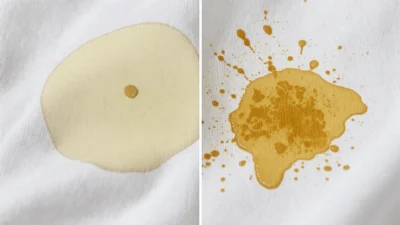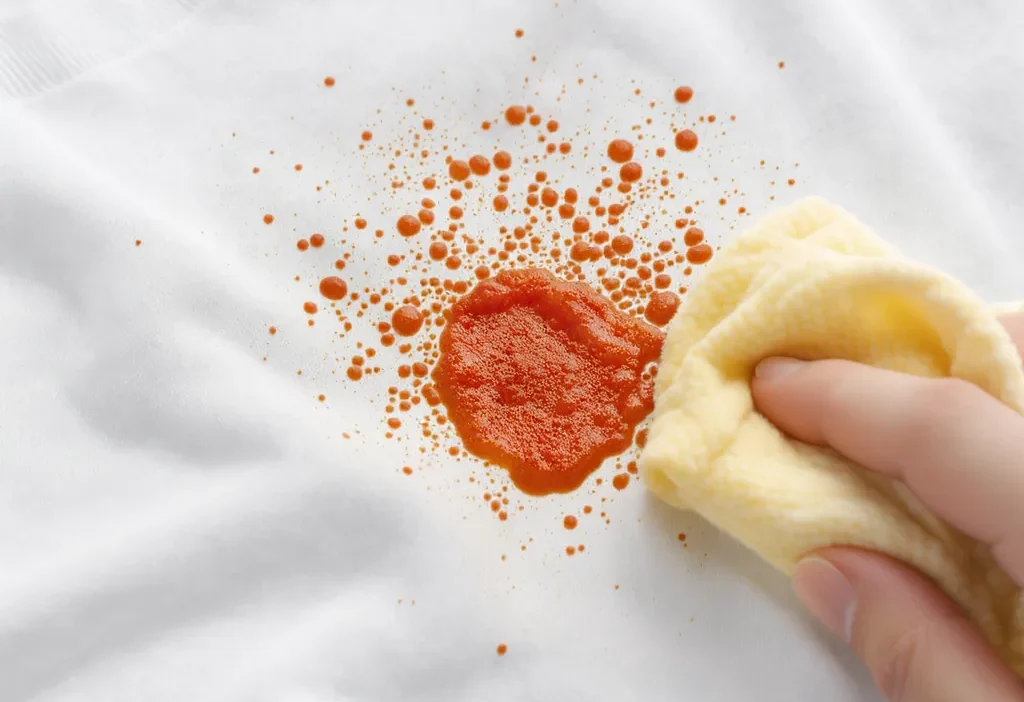
The worst thing you can do for a fresh tomato sauce stain is reach for the hottest water you can find. That immediate, well-intentioned reaction is what turns a simple spill into a permanent, orange-tinted ghost on your favorite shirt. The heat cooks the proteins in the tomato and sets the oils from the sauce, bonding them to the fabric fibers. We’ve all been there—the moment of panic as a dollop of pasta sauce leaps from your fork or a ketchup packet explodes with a mind of its own. But that panic doesn’t have to mean a ruined garment. Successfully learning how to remove tomato sauce stain from clothes isn’t about one magic trick; it’s about a calm, fabric-specific response. This guide cuts through the clutter to give you the safest, most effective fixes for cotton, polyester, and blends, turning a moment of dread into a simple salvage operation.
To safely remove a tomato sauce stain, immediately scrape off excess sauce, then flush the stain from the inside of the fabric with cold water. The next crucial step depends entirely on your fabric type—cotton, polyester, or a blend—as using the wrong treatment can set the stain permanently. Always check the care label first, and never apply heat or put the item in the dryer until the stain is completely gone.
First Response: What to Do in the First 60 Seconds
Panic is the enemy of a clean shirt. When a blob of pasta sauce lands on your lap, your immediate reaction determines whether this is a five-minute fix or a permanent wardrobe casualty. Forget everything you think you know about stains and follow this universal protocol.
First, gently scrape off any excess, chunky sauce with the dull edge of a butter knife or a spoon. Do not rub or smear it. Next, and this is critical, turn the garment inside out. Hold the stained area under a strong stream of cold water, pushing the stain out from the back of the fabric. This forces the stain particles out the way they came in, instead of driving them deeper into the fibers. Blot—don’t rub—the front of the stain with a clean cloth to help lift it.
Why cold water? Tomato-based sauces are a double threat: they contain proteins (from the tomatoes and any meat) and oils. Hot water cooks the protein, causing it to coagulate and bind permanently to the fabric threads, as noted in basic stain removal guides from sources like the American Cleaning Institute. Cold water keeps the proteins soluble and prevents the oils from setting. Your goal here is simply to remove as much of the sauce’s volume as possible before you even think about soap.

Photo by armağan başaran on Pexels
Fabric-Specific Rescue Plans
Once you’ve performed the initial flush, stop. The next step is entirely dependent on your fabric. Using a method meant for cotton on polyester can damage the synthetic fibers, while using a polyester-safe method on cotton might not be strong enough. Check the garment’s care label first.
Photo by www.kaboompics.com on Pexels
For Cotton (The Natural Fiber)
Cotton is robust and can handle stronger treatments. Its absorbent nature means the stain soaks in, but it also means cleaning solutions can penetrate well.
Your Action Plan:
- After the cold water flush, apply a small dab of liquid dish soap (the kind for hand-washing dishes) directly to the stain. The surfactants in dish soap are excellent at breaking down oils. Gently work it in with your fingers.
- Let it sit for 10-15 minutes.
- Rinse thoroughly with cold water from the back again. If the stain persists, create a paste with oxygen-based bleach (like OxiClean) and a few drops of water. Apply it to the stain, let it sit for up to an hour (check colorfastness first), then wash the garment normally in the coldest water setting recommended on the label.
For Polyester (The Synthetic)
Polyester is a plastic-based fiber. It’s less absorbent than cotton, so stains often sit more on the surface, but it’s also sensitive to high heat and harsh chemicals like chlorine bleach, which can melt or weaken the fibers.
Your Action Plan:
- The cold water flush is even more vital here to prevent setting.
- Apply a few drops of clear, gentle dish soap or a specialized liquid laundry pre-treater. Avoid anything with vinegar or acids, as they can degrade polyester over time.
- Gently dab the area—again, no vigorous rubbing—and let the soap sit for 5-10 minutes.
- Wash the item alone or with similar colors in a cold water wash. Before drying, check that the stain is completely gone. The heat of a dryer is the final step that will make any residual ketchup stain permanent on synthetic fabric.
For Blends (Cotton-Polyester Mix)
Blends are the most common and the trickiest. You must use a method safe for the most delicate fiber in the blend—usually the polyester. Always test any treatment in a hidden seam first.
Your Action Plan:
- Follow the initial cold water protocol meticulously.
- Use the gentler, polyester-safe method: a dab of clear dish soap.
- If the stain remains after washing, you can cautiously try an oxygen-based cleaner soak, but dilute it more than you would for pure cotton and limit the soak time to 30 minutes.
- Patience is key. You may need to repeat the wash cycle (always with cold water) before the stain fully lifts.
For Set-In Stains: Don’t Give Up Yet
Found an old, dried splotch of pasta sauce on a shirt from last week’s dinner? Or worse, you accidentally tossed the stained item in the dryer? All hope is not lost, but you’ll need a more aggressive, patient approach.
Start by rehydrating the stain. Soak the entire garment in a basin of cold water for 30 minutes to loosen the dried particles. After soaking, create a thick pre-treatment paste using a tablespoon of liquid laundry detergent and a sprinkle of baking soda. Rub this paste into the stain and let it sit for at least an hour, or even overnight for tough cases.
Next, prepare a soaking solution in your sink or a bucket using hot water (as hot as the fabric allows) and an oxygen-based cleaner, following the package directions for a “heavy stain” or “soak.” Submerge the garment and let it soak for several hours, up to overnight. After soaking, wash it normally on the warmest setting the fabric can tolerate. Do not put it in the dryer until you have confirmed the stain is 100% gone. You may need to repeat this entire process. While not guaranteed, this method can salvage many set-in red sauce stains.
Common Mistakes That Ruin Your Clothes
Knowing what not to do is half the battle in effective stain removal. Avoid these common errors that turn a simple cleanup into a permanent fabric flaw.
- Using Hot Water First: This is the cardinal sin. Heat sets the protein and oil, baking the stain into the fibers. Always start with cold.
- Rubbing Vigorously: Scrubbing grinds the stain particles deeper and can damage the fabric weave, spreading the stain and creating a worn, fuzzy patch.
- Applying Bleach Directly: Pouring chlorine bleach straight onto a colored fabric will likely remove the dye along with the stain, leaving a bleached-out spot. It can also weaken polyester fibers.
- Drying Before Checking: The dryer’s heat is the point of no return. Always air-dry the item first and inspect it in good light. If a shadow of the stain remains, repeat treatment.
- Using the Wrong Cleaner for the Fabric: As outlined above, treating polyester with vinegar or cotton with overly harsh solvents can degrade the material. Match your method to your fabric.
Your Stain Rescue Roadmap
Tomato sauce splashes don’t have to spell the end for your favorite clothes. The path from panic to a clean garment is straightforward if you follow the fabric-specific logic. Remember, your immediate cold water response is your best first defense, buying you time to choose the right treatment. For cotton, leverage enzymatic or oxygen-based power. For polyester and blends, prioritize gentle, heat-aware cleaning. And for those set-in stains, a strategic soak can often pull off a last-minute save.
Your decisive next step is clear: identify the fabric of the stained item, gather your simple supplies (dish soap, cold water, an oxygen cleaner for cottons), and act. With this plan, even the most daunting pasta sauce stain on a shirt becomes a manageable fix, not a disaster.