That moment of dread is all too familiar: you’re finishing up dinner, and a rogue splash of olive oil or a flick of bacon grease lands squarely on your favorite shirt. Your heart sinks, imagining a permanent, greasy badge of honor from your culinary efforts. But here’s the good news: a cooking oil stain doesn’t have to be a death sentence for your garment. The secret to successfully remove cooking oil stains from clothes isn’t a magic potion—it’s a simple principle. Acting quickly and using the right pre-treatment method before you toss it in the wash is absolutely critical. This guide cuts through the clutter to give you a clear, actionable protocol, so you can tackle the next spill with confidence instead of panic.
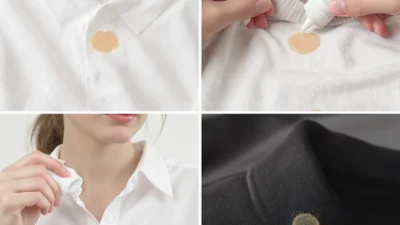
The best way to remove a fresh cooking oil stain is to immediately blot up excess oil with a paper towel, then apply a small amount of liquid dish soap directly to the stain. Gently work it in with your fingers, let it sit for 5-10 minutes, then rinse thoroughly with hot water before washing as usual. The key is speed and the “blot, don’t rub” rule to prevent the stain from spreading deeper into the fabric.
Act Fast: Your Immediate Response Kit
The moment you spill oil on your clothes, the clock starts ticking. Your goal isn’t perfection in the first 60 seconds—it’s damage control. The faster you act, the easier it will be to get grease stains out of clothes completely. First, grab your kit: a stack of paper towels or a clean, absorbent cloth, a spoon or dull knife, and a bottle of liquid dish soap (the blue Dawn variety is famous for a reason, but any will work).
Photo by Carlos Tigsi on Pexels
Here’s your immediate action plan: Use the spoon to gently scrape off any large, globby excess oil. Then, place a stack of paper towels under the stain to absorb from below. Place another on top and press down firmly to blot. Do not, under any circumstances, rub. Rubbing grinds the oil deeper into the fabric fibers and spreads the stain, making your grease stain pre-treatment job much harder. Keep blotting with fresh sections of towel until no more oil transfers.
The Core Treatment Protocol: Dish Soap & Hot Water
This method is the gold standard for a reason. Liquid dish soap is a degreaser—its job is to break down oils, which is exactly what you need. Follow these steps to pre-treat oil stains before washing effectively.
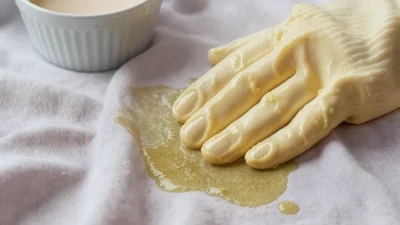
- Apply the Soap: Turn the garment inside out if possible. Apply a small, pea-sized drop of clear liquid dish soap directly onto the stain. Using your fingers, gently work it into the fabric from the edges toward the center. You want to create a light lather.
- Let it Sit: Allow the soap to do its work for 5 to 10 minutes. This dwell time is crucial for breaking down the oil bonds.
- Rinse Thoroughly: Hold the stained section under the hottest water tap that is safe for the fabric (check the care label). As you rinse, you should see the oil and soapy suds washing away. Continue until the water runs clear and the fabric no longer feels slick.
- Inspect and Launder: Check the stain. If it’s gone or significantly faded, you can wash the garment as usual with your regular detergent. If a faint shadow remains, repeat the dish soap application before tossing it in the machine. Always air-dry the item until you are certain the stain is completely gone.
Photo by Valeria Boltneva on Pexels
This simple protocol is the foundation of good oil stain laundry tips. For more on why this works, you can read about surfactant chemistry from sources like the American Chemical Society’s explanation on how soap works.
Alternative Solutions for Set-In or Delicate Stains
What if the stain dried before you noticed it, or your fabric is too delicate for hot water and vigorous rubbing? Don’t worry—you have options. The key is to match the method to the scenario.
For Dried or Set-In Stains
If the oil has had time to set, you need an absorbent treatment first. Sprinkle a generous amount of cornstarch, baking soda, or even baby powder onto the stain. Let it sit for at least 30 minutes, or even overnight. The powder will absorb the oil. Brush it off, then proceed with the dish soap protocol above. A baking soda grease stain removal paste (mixed with a little water) can also be applied directly, left to dry, and then brushed off.
For Delicate Fabrics (Silk, Wool, Dry-Clean Only)
Heat and dish soap can be too harsh. For these, try a specialized stain remover stick or spray designed for delicate fabrics. Always test it on an inside seam first. Another gentle method is to use a solvent-based stain remover, like those containing hexane or heptane, applied with a cotton swab. When in doubt, taking the item to a professional cleaner and pointing out the stain is the safest bet for how to treat cooking oil on fabric that’s precious.
Common Mistakes That Make Stains Worse
Sometimes, well-intentioned efforts backfire. Avoid these pitfalls to ensure your oil stain laundry tips lead to success, not a permanent stain.
- Don’t Rub the Stain: We said it before, but it’s the #1 mistake. Blot, press, dab—never scrub in a circular motion.
- Don’t Apply Heat Prematurely: Never put the garment in the dryer if any trace of the stain remains. The heat will set the oil permanently. Always air-dry first to confirm it’s gone.
- Don’t Use Hot Water on Unknown Stains: If the stain might be a mix of oil and something protein-based (like gravy), hot water can cook the protein, setting it. Start with cool water for rinsing mixed stains.
- Don’t Overdo the Soap: Using too much detergent or soap can leave a residue that actually traps dirt and stain particles, making them harder to rinse out. A little goes a long way.
- Don’t Forget to Check After Washing: Always inspect the item while it’s still damp after the wash cycle. It’s much easier to re-treat a damp stain than a bone-dry, heat-set one.
You’ve Got This Under Control
A splash of oil doesn’t have to mean the end of a favorite shirt. With the right quick response and a simple pre-treatment, most cooking oil stains lift right out. Remember the core principles: speed, blotting, and letting a degreaser like dish soap do the heavy lifting before your normal wash. Keep these laundry stain removal for oil steps in mind, and you can face the next kitchen mishap not with panic, but with quiet confidence.