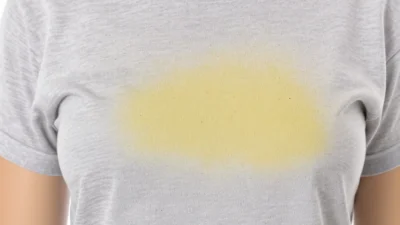
You pull a crisp white shirt from the drawer, ready to look sharp, only to be met with those telltale yellow shadows under the arms. It’s a universal frustration: regular washing seems powerless against this stubborn discoloration, leaving you wondering if your favorite shirt is destined for the rag bin. The culprit isn’t just sweat; it’s a chemical reaction. The aluminum salts in antiperspirant bind with proteins and oils in your sweat, creating a yellowish compound that gets baked into the fabric by body heat and, worse, the dryer. To truly remove yellow armpit stains from a white shirt, you need a targeted approach that breaks down this specific buildup, not just a stronger detergent.
To remove yellow armpit stains from a white shirt, create a paste of baking soda and 3% hydrogen peroxide, apply it to the stain, let it sit for an hour, then soak the shirt in a solution of white vinegar and cold water before washing as usual. This one-two punch breaks down the deodorant and sweat buildup effectively. Crucially, avoid hot water and the dryer until the stain is completely gone, as heat will permanently set the discoloration.
Why White Shirts Turn Yellow (It’s Not Just Sweat)
That frustrating yellow discoloration isn‘t a sign of poor hygiene—it’s chemistry. Regular washing fails because it doesn’t address the specific reaction happening in your shirt’s fabric. The main culprits are the aluminum salts found in most antiperspirants. When these salts mix with the proteins and urea in your sweat, plus your body’s natural oils, they form a yellowish compound that bonds to the fibers.
Photo by Ron Lach on Pexels
Heat acts as a catalyst, speeding up this reaction. The warmth from your body helps create the stain, and then heat from your dryer or hot water wash essentially “cooks” it into the fabric, making the discoloration permanent. This is why the first rule of underarm stain removal on white clothing is always to use cold water.
The Step-by-Step Stain-Lifting Protocol
This method tackles the stain on two fronts: the baking soda and hydrogen peroxide paste breaks down the discolored compounds, while the vinegar soak neutralizes residues and brightens the fabric. Gather white vinegar, 3% hydrogen peroxide, baking soda, a soft-bristled brush (an old toothbrush works), and a basin or sink.
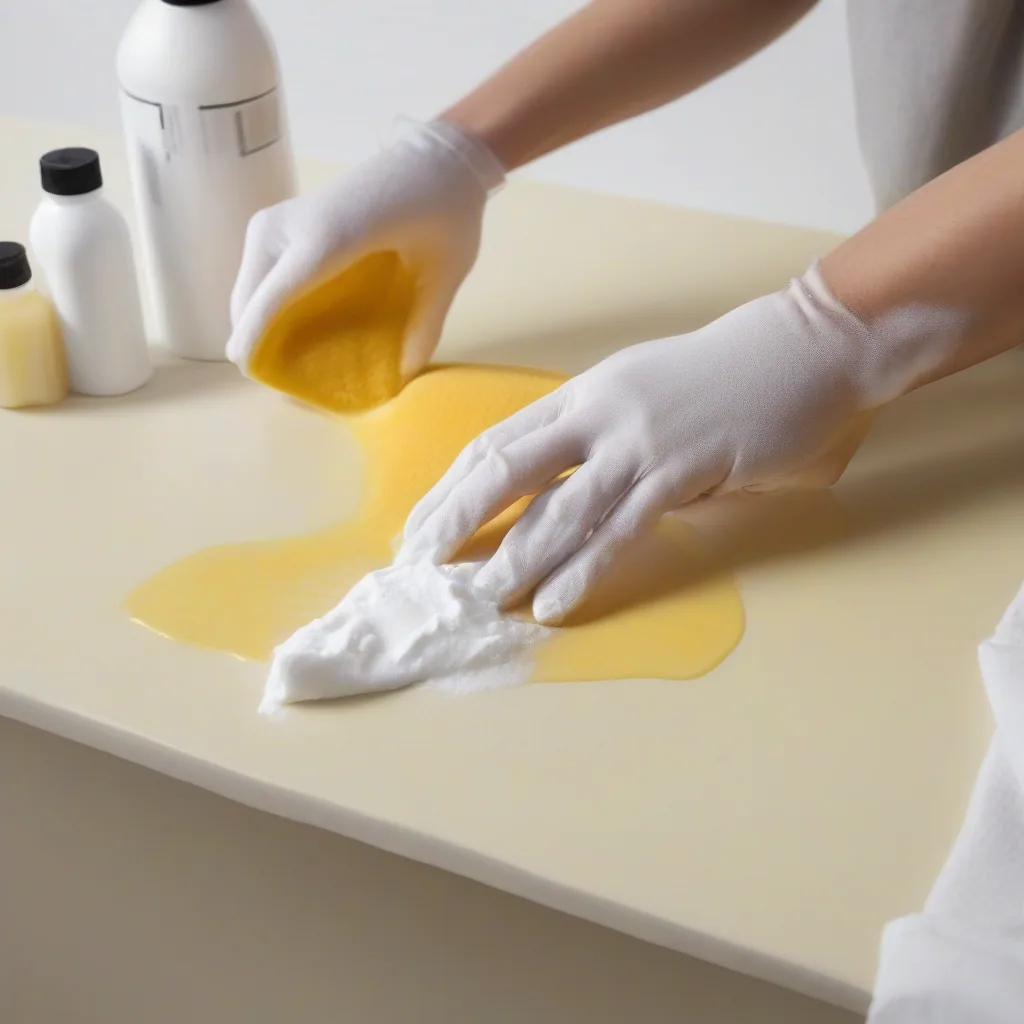
1. Apply the Pre-Treatment Paste
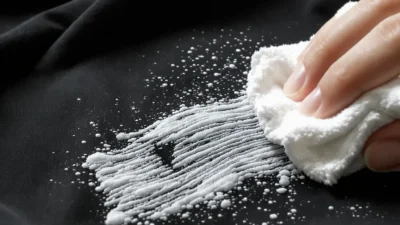
In a small bowl, mix two parts baking soda with one part hydrogen peroxide to form a thick, spreadable paste. Lay your shirt flat and apply a generous layer of the paste directly onto the yellowed areas, working it into the fabric with your fingers or the soft brush. Let it sit for 60 minutes—this gives the mixture time to oxidize and lift the stain.
2. Soak in a Vinegar Solution
Fill a basin or plugged sink with cold water and add one cup of white vinegar for every four cups of water. Submerge the entire shirt, ensuring the treated areas are underwater. Let it soak for 30 minutes. The vinegar helps to break down any remaining deodorant buildup and will leave the fabric feeling fresher.
3. Wash and Air Dry
After the soak, wring out the shirt gently and wash it alone in your washing machine using a regular detergent and a cold water cycle. This is critical. Once the wash is done, inspect the underarms while the shirt is still damp. If the stain is gone, you can air dry it. If any trace remains, do not put it in the dryer. Repeat the protocol or move to the troubleshooting steps below.
Troubleshooting Stubborn or Set-In Stains
If the core protocol lightened but didn’t fully erase the stain, don’t resort to harsh chemicals yet. Often, sweat buildup and shirt stains that have been through the dryer multiple times need a more aggressive soak.
Option 1: The Oxygen Bleach Overnight Soak
For set-in discoloration, an oxygen-based bleach (like OxiClean) is highly effective. Follow the package directions for a stain-soak solution in a bucket of warm (not hot) water. Submerge the shirt completely and let it soak overnight, up to 8 hours. In the morning, wash it normally with cold water. This method is excellent for tackling overall dinginess along with the underarm stains.
Option 2: Targeted Grease Breakdown
If body oils are a major component of the stain, a dab of original blue Dawn dish soap can work wonders. Apply a small amount directly to the dry stain, rub it in gently, and let it sit for 15 minutes. The surfactants in Dawn are designed to break down oils. Then, proceed with the vinegar soak and cold wash from the main protocol.
A crucial warning: Avoid using chlorine bleach (like regular Clorox) as your first resort. The chlorine can react with the aluminum salts left in the fabric, potentially turning the yellow stains a rusty orange or even setting them permanently.
What Not to Do: Common Pitfalls That Set Stains
Knowing what to avoid is half the battle in successful white shirt armpit discoloration repair. These mistakes can lock in stains for good.
Never use hot water during the initial treatment or wash. Heat sets the protein and aluminum complex, making it nearly impossible to remove. Avoid putting the shirt in the dryer until you are 100% certain the stain is completely gone. The dryer’s heat is the most common way a treatable stain becomes permanent. Don’t scrub the fabric aggressively with a stiff brush, as this can damage the fibers and spread the stain. Finally, as mentioned, do not reach for chlorine bleach immediately—it’s often the wrong chemical for this specific type of deodorant buildup on shirts and can cause more harm.
Keeping Your Whites Bright
Successfully learning how to remove yellow armpit stains from a white shirt is empowering—it means you can rescue favorite pieces from the discard pile. The process is a matter of using the right chemistry (peroxide, vinegar, oxygen bleach) and avoiding the wrong one (heat, chlorine).
For the future, a few small habit changes can prevent the problem. Try applying antiperspirant at night instead of in the morning; it allows the formula to absorb into your skin without transferring as much onto your clothing. Always ensure shirts are completely dry before folding them into drawers, as trapped moisture can lead to mildew and yellowing. If stains are a constant battle, consider switching to an aluminum-free deodorant, which eliminates the primary chemical culprit behind the yellowing reaction. With the right treatment and a bit of prevention, you can keep your white shirts looking crisp and clean.