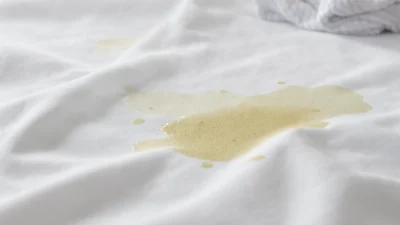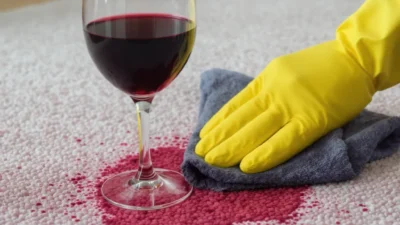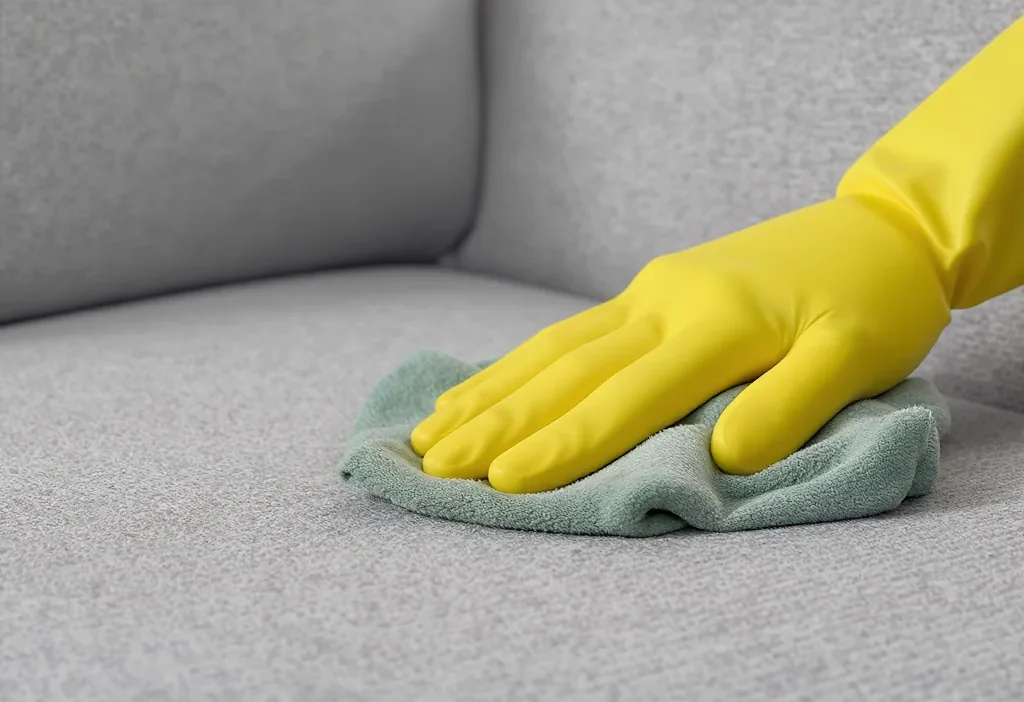
That moment of panic when a dark splash of coffee arcs across your favorite armchair, or a dollop of ketchup finds its way onto the cream linen sofa—we’ve all been there. Your immediate reaction often determines whether the stain becomes a permanent resident or a fleeting memory. This comprehensive upholstery stain removal guide exists to replace that panic with a clear, actionable plan. We’re moving beyond old wives’ tales and one-size-fits-all solutions, because successful cleaning isn’t about a magic potion; it’s a strategic operation dictated by two key pieces of intelligence: the type of stain you’re fighting and the fabric you’re fighting it on. By understanding the ‘why’ behind each method—why cold water works for blood, why a solvent tackles grease—you equip yourself to confidently handle most common household accidents on sofas, chairs, curtains, and all your soft furnishings.
Always start by blotting, never rubbing, a fresh stain with a clean, white cloth. Your success depends entirely on matching the cleaning method to both the stain type and the fabric’s care label code (W, S, WS, or X). For most water-based spills like juice or wine, a mild detergent solution applied with the blotting technique is your first line of defense, while oil-based stains require a solvent like rubbing alcohol, used with caution.
Your First Response: The Universal Stain Protocol
Before you reach for any cleaner, your first moves are critical. This universal protocol is your foundation for all furniture fabric stain cleaning. Follow these steps in order to contain the damage and set the stage for success.
The 10-Step Foundational Process
- Act Immediately: Speed is your greatest ally. The longer a stain sets, the harder it is to remove.
- Blot, Never Rub: Using a clean, white, absorbent cloth or paper towel, gently press down on the stain to soak up as much liquid as possible. Rubbing grinds the stain deeper into the fibers.
- Identify the Stain: Quickly determine what was spilled. Is it coffee (water-based), gravy (oil-based), or milk (protein)? Your strategy depends on this.
- Locate the Fabric Care Code: Check for a label, usually under cushions or on the underside of the furniture. You’re looking for one of four codes: W (use water-based cleaners), S (use solvent-based cleaners only), WS (either water or solvent is safe), or X (vacuum only; call a professional).
- Gather Your Toolkit: Have ready: white cloths, mild dish soap, white vinegar, rubbing alcohol (70%), a soft-bristle brush, and a spray bottle of clean water.
- Test Your Cleaner: Always apply your chosen cleaning solution to a hidden area first (like the back of a cushion) and blot. Check for color transfer or fabric damage after it dries.
- Apply Solution from the Outside In: To prevent the stain from spreading, apply your cleaner to the outer edges of the stain and work toward the center.
- Blot and Rinse: After applying the solution, blot with a clean, damp cloth to lift the residue. You may need to repeat the application and blotting cycle.
- Extract Moisture: Press dry towels firmly over the area to pull out as much cleaning solution and moisture as you can.
- Air Dry Thoroughly: Allow the area to dry completely. Avoid using hair dryers or heaters, as heat can set any remaining stain.
Scenario 1: Tackling Water-Based Stains (Coffee, Tea, Juice, Wine)
These are the most common offenders and, if addressed quickly, the most forgiving. The enemy here is tannins (in wine, coffee, tea) and sugars, which can leave a visible residue if left to dry.
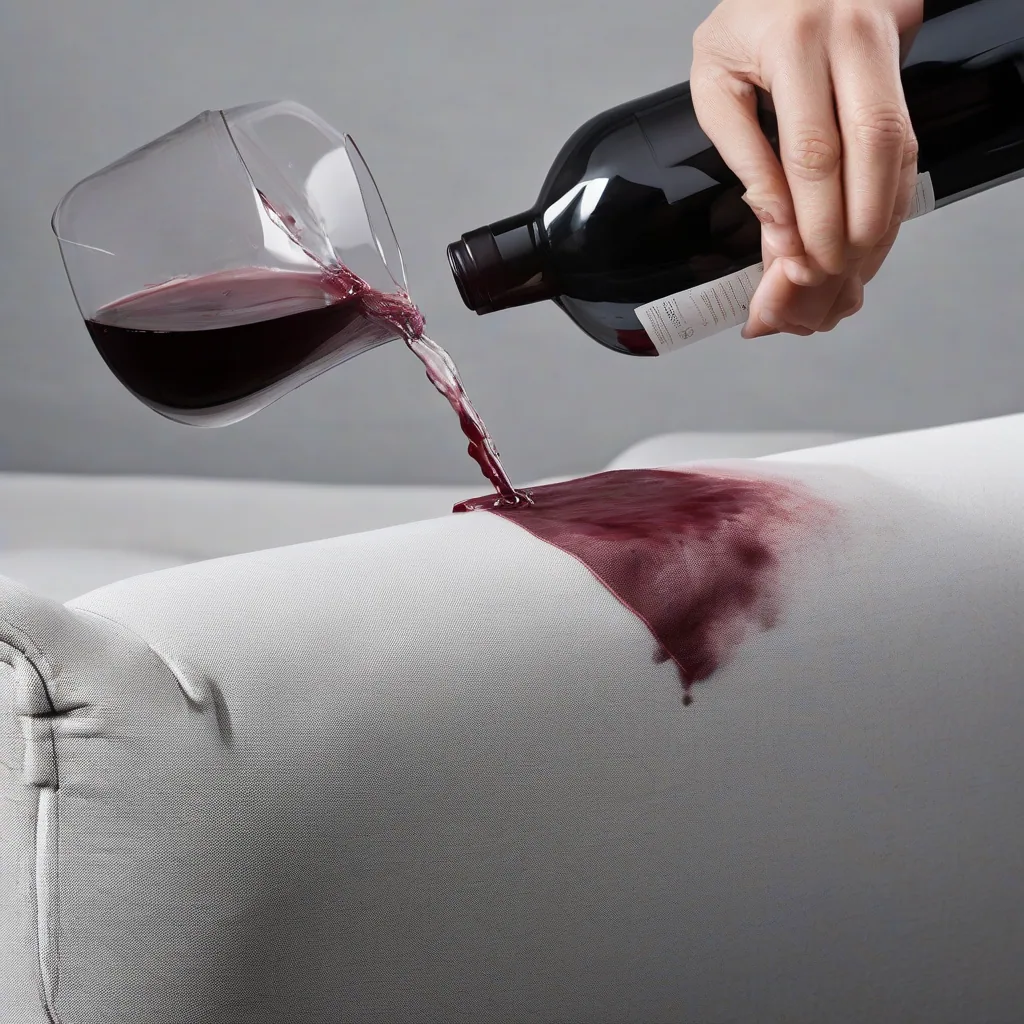
For fabrics with a W or WS code, mix one teaspoon of clear, mild dish soap (like Dawn) with one cup of warm water. For an extra boost against tannins, you can add one tablespoon of white vinegar to the mix. After blotting up the excess spill, apply a small amount of your solution with a cloth, working from the edges inward. Blot diligently with a clean, water-dampened cloth to rinse. The key is patience—multiple gentle applications are better than one aggressive one. For an old, set red wine stain, you may need to pre-treat with a paste of baking soda and water (test first!) before the soap solution to help lift the dye.
Scenario 2: Conquering Grease & Oil-Based Stains (Makeup, Butter, Sauce)
Water and soap alone will often just spread a grease stain, leaving a dreaded ring. Here, you need a solvent to break the bond between the oil and the fabric. This is where checking that S or WS code is non-negotiable.
For fresh grease stains, a common household solvent is isopropyl alcohol (70%). After testing, apply a small amount to a white cloth and dab (don’t pour) onto the stain. The grease should begin to dissolve and transfer to the cloth. Switch to a clean part of the cloth frequently. For powdered makeup or dried grease, you can try the absorption method: sprinkle cornstarch or baking soda on the spot, let it sit for 15 minutes to absorb the oil, then vacuum thoroughly before proceeding with a solvent. Always work in a well-ventilated area when using solvents, and never use them on delicate silks or acetates without professional advice.
Scenario 3: The Protein Stain Puzzle (Blood, Milk, Egg, Vomit)
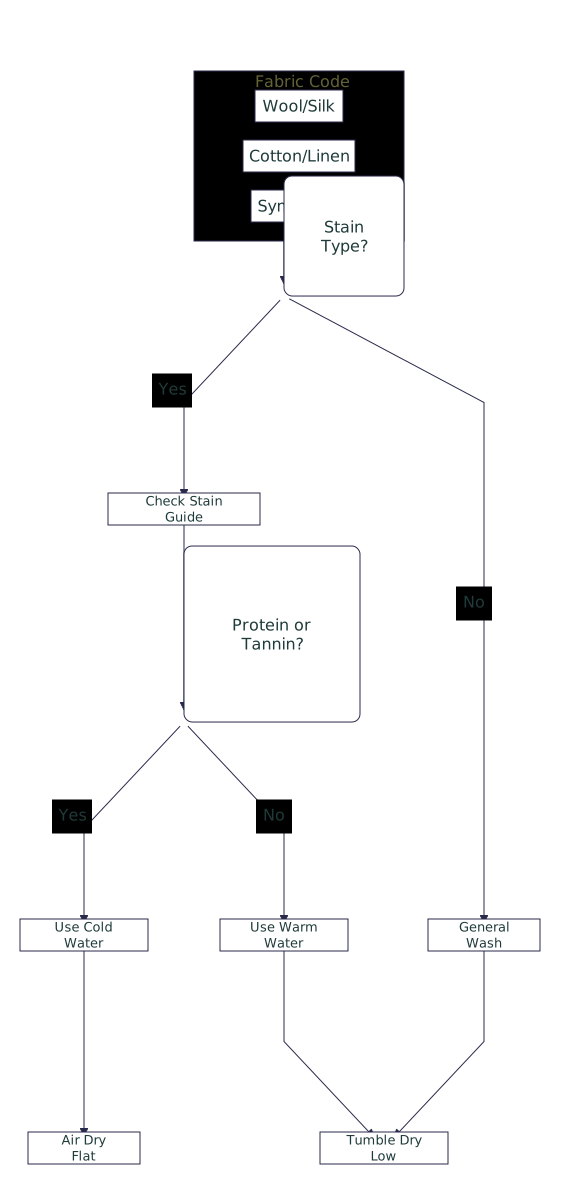
Heat is the arch-nemesis of protein stains. Using warm or hot water will cook the proteins, binding them permanently to the fibers. Your mantra here is cold water only.
Start by scraping off any solid matter with a blunt knife. Then, flush the stain with cold water from a spray bottle or by blotting with a cold, wet cloth. For blood, saliva can sometimes help break down the proteins on fresh stains (spit on a clean cloth and dab). For a more reliable method, use a cold water solution with a bit of enzyme-based laundry detergent (the enzymes are designed to break down proteins). Apply, let it sit for 10-15 minutes, then blot and rinse with cold water. For vomit or other odor-causing organic stains, a final blot with a 50/50 water and white vinegar solution can help neutralize smells after the stain is gone.
Scenario 4: Dye & Ink Stains: The Ultimate Challenge
Be realistic with your expectations here. Fresh ballpoint ink can sometimes be tackled; permanent marker or dye transfer from a new pair of jeans is often a permanent guest. Your approach must be graduated in aggression.
For fresh ballpoint ink on a durable fabric (WS or S), try the solvent method with isopropyl alcohol. Dab from the back of the fabric if possible, pushing the stain out rather than deeper in. For other inks or dyes, a specialized commercial stain remover like Amodex or a dry-cleaning solvent (following label instructions) is your next line of defense. Apply, let it work, and blot. If the stain remains after two careful attempts, continuing will likely damage the fabric. At this point, the most effective soft furnishing stain tip is to call a professional cleaner who has stronger, specialized solutions. They can’t guarantee removal, but their odds are far better.
Fabric-Specific Strategies: Velvet, Linen, Silk & Synthetics
General principles are fine, but fine-tuning for fabric type prevents disasters. Here’s how to adapt your approach.
Velvet & Velour
The nap is everything. Always brush the nap in one direction with a soft brush (like a clothes brush) after the area is completely dry to restore the texture. Use minimal moisture to avoid matting, and never scrub.
Linen & Cotton
These natural fibers are relatively robust but can shrink or wrinkle if over-wetted. Blot thoroughly to extract all moisture and consider using a cool fan to speed drying while minimizing wrinkles.
Silk & Delicate Blends
Proceed with extreme caution. Often coded S or X. Blotting with a dry cloth is usually the safest homeowner intervention. For anything more, consult a professional fabric cleaner specializing in delicate textiles.
Performance Synthetics (Microfiber, Polyester)
These are often stain-resistant and coded W or WS. A mild soap and water solution usually works well. For stubborn stains, a light spray of isopropyl alcohol can be effective—but test in a hidden seam first, as some finishes can be damaged.
Beyond the Sofa: Curtains, Cushions & Other Soft Furnishings
The same stain-typing and code-checking principles apply, but the logistics change. For curtain stain removal, first check if they are dry-clean only. If they are machine-washable, treat the stain before washing. For fixed curtains, you’ll be spot-cleaning in place. Place a clean, absorbent towel behind the stained fabric to catch runoff and prevent the stain from spreading to the lining.
With decorative cushions, check if the cover is removable. If it is, treat the stain on the cover before washing according to its label. If the cushion is one piece or the stain has soaked through to the insert, spot-clean carefully, but be vigilant about over-wetting the filling, which can lead to mildew. For rugs, the “blot from the back” technique is golden: place clean towels under the stain and apply your cleaning solution to the front; the towels will help pull the stain out and downward.
Common Stain Removal Mistakes That Make Things Worse
In your urgency to fix the problem, it’s easy to take actions that seal the stain’s fate. Avoid these common errors to save your furniture.
- Rubbing Vigorously: This is the number one error. It pushes the stain deeper and can damage fabric fibers.
- Using Hot Water on Protein Stains: As covered, heat sets blood, egg, and dairy, making them nearly permanent.
- Skipping the Fabric Code Check: Using a water-based cleaner on a solvent-only (S) fabric can cause irreversible watermarks or shrinkage.
- Over-wetting the Fabric: Soaking the area can cause watermarks, shrinkage, and drive the stain into the cushion or backing.
- Using Colored or Printed Cloths: Dyes from the cloth itself can transfer to your damp upholstery, creating a new stain.
- Applying Heat Before the Stain is Fully Gone: Using a hairdryer or placing in direct sunlight can bake any residual stain into the fabric.
- Mixing Cleaning Chemicals: Never combine cleaners (e.g., bleach and ammonia). This can create dangerous fumes and damage fabrics.
Mastering the Method, Not Just the Mess
Effective furniture fabric stain cleaning is less about having a magic potion and more about understanding the chemistry of the spill and the limits of your fabric. By internalizing the “why”—why cold water for blood, why a solvent for grease—you move from frantic guessing to calm, informed action. The real goal is to equip you with a reliable hierarchy of response: Blot, Identify, Test, Proceed gently.
Remember, calling a professional for a cherished heirloom sofa or a severe, set-in stain isn’t a failure; it’s a smart preservation strategy. They have tools and solutions not available to consumers. For the vast majority of everyday accidents, however, this systematic guide provides the confidence to tackle them head-on, keeping your soft furnishings looking their best for years to come.
To keep your soft furnishing stain tips actionable, remember this mental checklist:
- Universal First Aid: Blot, never rub. Identify the stain and the fabric care code (W, S, WS, X) immediately.
- Water-Based Stains (Coffee, Wine): Use a mild soap/vinegar solution on W/WS fabrics. Blot, rinse, repeat.
- Grease & Oil Stains: Use a solvent like isopropyl alcohol on S/WS fabrics. Test first and ventilate.
- Protein Stains (Blood, Milk): Cold water and enzyme cleaners only. Heat will set them permanently.
- Dye & Ink Stains: Manage expectations. Try alcohol or a specialty remover, but be prepared to call a pro.
- Final Rule: When in doubt, gentler is better. Over-aggression causes more damage than the original stain.
Q: Can I use vinegar on all fabrics?
A: No. While diluted white vinegar is a great mild acid for breaking down water-based stains and odors, it should only be used on fabrics coded W or WS. Always test in a hidden area first, as vinegar can affect dyes or finishes on some delicate fabrics like silk or rayon.
Q: How do I remove an old, set-in stain?
A: Old stains are challenging. Start by re-identifying the stain type if possible. Gently brush the area to loosen dried residue. You may need to use a specialized pre-treatment stain remover gel, allowing it to penetrate for the full recommended time before blotting. Success is not guaranteed, and repeated attempts can damage the fabric, so proceed with caution.
Q: Is it safe to use a steam cleaner on stained upholstery?
A: Only if the fabric care label explicitly states it’s safe for steam cleaning (W). The heat and moisture from steam can set many types of stains (especially protein and dye) permanently into the fibers. It’s generally safer to remove the stain first using cold or lukewarm water methods, then consider a steam cleaner for overall sanitization on appropriate fabrics.
Q: What should I do if I don’t see a fabric care label?
A: Assume the most conservative code: treat it as X (professional clean only) or S (solvent only). Test any cleaner in the most discreet location possible (e.g., under the skirt, behind a cushion). If the fabric is valuable or you’re unsure, opting for a professional consultation is the safest choice.
Q: Can I use laundry stain remover spray on my sofa?
A: Possibly, but with major caveats. These sprays are designed for washable laundry. On upholstery, they can leave a sticky residue that attracts dirt. If you choose to try one, select a clear, non-bleach formula, test it extensively in a hidden area, and be prepared to thoroughly rinse and extract the area after treatment to prevent residue buildup.