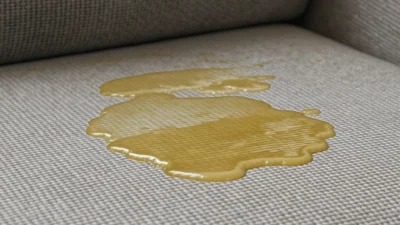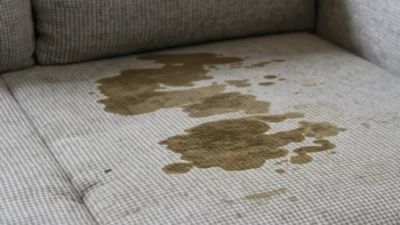
It happens in a flash—a sudden lurch, a splash of brown, and a cold dread settles in as you watch your morning coffee bloom across the light fabric of your sofa. Your heart sinks. But here’s the crucial truth that can save your furniture: the outcome of this accident isn’t determined by the spill itself, but by your actions in the next 60 seconds. Panic and the wrong move can set a permanent, ringed stain, while a calm, correct response can make the whole event vanish as if it never happened. This guide is your immediate action plan for that critical minute, walking you through the exact steps to remove a coffee stain from your couch effectively, using techniques that prevent the dreaded watermark and protect your upholstery.
To clean a coffee spill from a fabric sofa without leaving a ring, immediately blot—never rub—with a dry, absorbent cloth to lift the liquid. Then, apply a small amount of diluted dish soap solution with another damp cloth, working from the outside in, and continue blotting dry. Speed and the blotting technique are key to preventing a permanent stain.
The First 60 Seconds: Your Critical Blotting Action
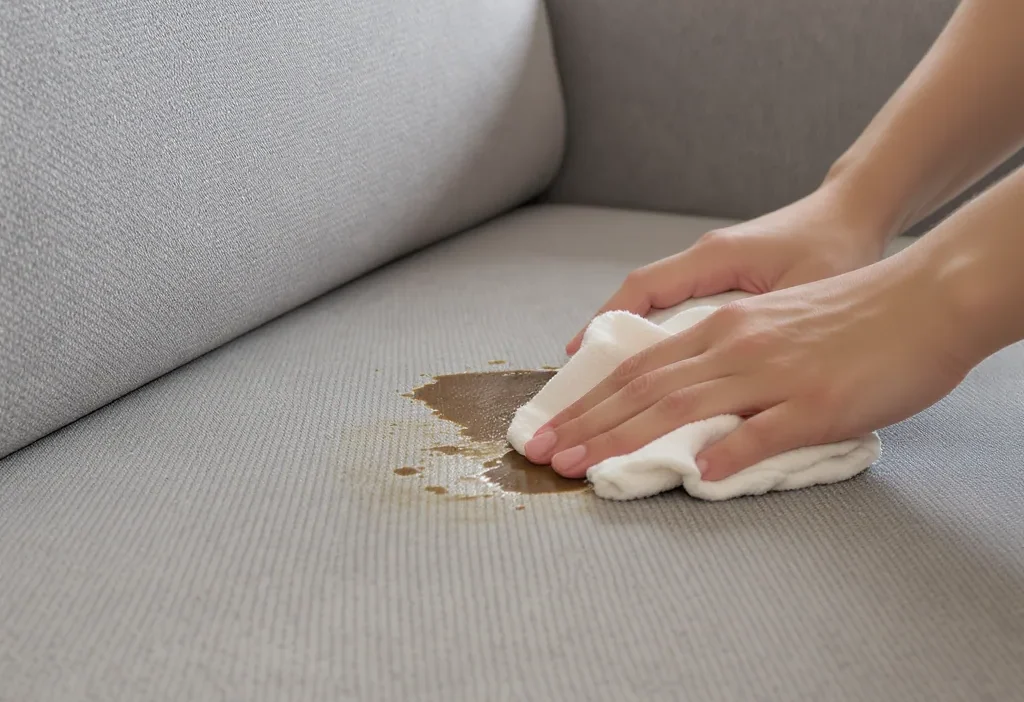
The moment coffee hits the fabric, your reaction determines everything. Panic is natural, but the action you take is simple: blot, never rub. Rubbing is the single biggest mistake, as it grinds the coffee particles deeper into the fibers and spreads the liquid, creating a larger, more set-in stain.
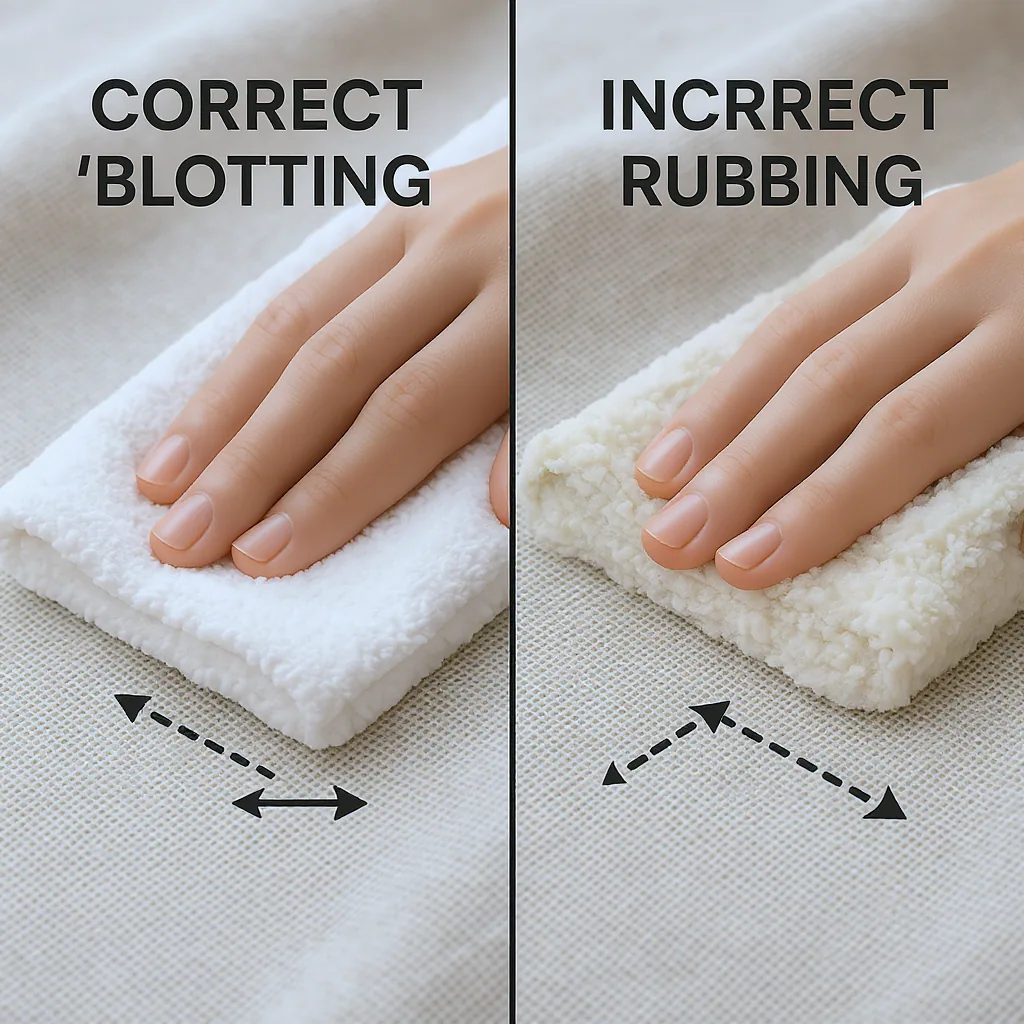
Your immediate goal is to absorb as much liquid as possible. Grab the nearest clean, dry, and absorbent cloth—a white paper towel, a microfiber cloth, or a clean cotton tea towel. Avoid anything colored that might bleed. Press it firmly onto the spill and lift straight up. Repeat with a fresh section of the cloth until no more moisture transfers. This “press and lift” motion pulls the coffee up and out, rather than pushing it around.
Choosing Your Cleaner Based on the Stain’s Age
The right cleaner depends on whether you’re dealing with a fresh spill or one that’s had time to set. Your approach for a fabric sofa coffee spill cleanup changes accordingly. Always start by testing any cleaner on a hidden area of the upholstery, like the back or underside of a cushion, to check for colorfastness.

Photo by William Camilo Agudelo Garzon on Pexels
If the Stain is Fresh (Minutes Old)
For a brand-new spill, a simple, mild solution is often all you need. Mix one teaspoon of clear, mild dish soap (like Dawn) with two cups of cool water. The soap helps break down the oils in the coffee, while cool water prevents setting the stain. This is your first-line, gentle upholstery coffee stain remover.
If the Stain Has Set (Hours or Days Old)
A dried, set stain needs a slightly stronger approach. You can try a 50/50 solution of white vinegar and cool water. Vinegar is a mild acid that can help break down the dried coffee residue. For stubborn, old stains, a commercial enzymatic upholstery cleaner designed for organic stains can be effective. Follow the product instructions carefully.
The Step-by-Step Cleaning Process (Without the Rings)
With your blotting done and cleaner selected, follow this sequence to clean coffee spill on fabric sofa without leaving a tell-tale ring. Frame it as a series of clear dos and don’ts to lock in the correct technique.
DO: Dampen a clean cloth with your cleaning solution and wring it out thoroughly. You want it damp, not soaking wet.
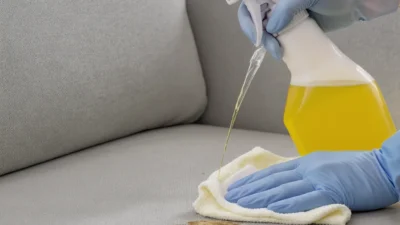
DON’T: Pour or spray cleaner directly onto the stain. This can over-wet the fabric and drive the stain deeper.
DO: Start at the outer edge of the stain and gently dab inward toward the center. This contains the stain and prevents it from spreading.
DON’T: Work in a circular motion or from the center out, which enlarges the affected area.
DO: Blot frequently with a dry cloth to lift the dissolved stain and moisture. Alternate between the damp cleaning cloth and the dry blotting cloth.
DON’T: Scrub or use a brush, which can fray the fabric and ruin the finish.
DO: Continue until the stain is gone. Finish by blotting the entire area with a cloth dampened with only cool water to rinse any soap residue, then blot dry.
DON’T: Consider the job done until the fabric is completely air-dried. Rings form from leftover cleaner or moisture.
Common Mistakes That Cause Lasting Rings
Understanding what not to do is just as important as knowing the right steps. Here are the most frequent errors that turn a simple spill into a permanent blemish.
Rubbing or Scrubbing: As emphasized, this is the top mistake. It damages fibers and sets the stain.
Using Hot Water: Heat can set protein and tannin stains (like coffee) permanently. Always use cool or lukewarm water.
Over-wetting the Fabric: Soaking the area can cause the stain to wick into the cushion or backing, creating a larger ring as it dries.
Skipping the Spot Test: Assuming a cleaner is safe can lead to color loss or fabric damage. Always test first.
Using a Hair Dryer or Heat to Dry: Applying direct heat can bake any remaining stain into the fabric. Let it air dry naturally, which can take several hours.
When to Call a Professional
While most fresh coffee spills are manageable, there are times when DIY methods aren’t the best choice. If the spill is very large, if the stain is ancient and has already set deeply, or if your sofa is made of a delicate, non-water-safe, or specialty fabric (like silk, velvet, or a marked “X” dry-clean-only fabric), it’s wise to call a professional.
Professionals have powerful extraction tools and specialized cleaning solutions that can get coffee out of couch fabric in situations where home remedies might fail or cause damage. For valuable or antique furniture, calling a pro is often the safest first step, not a last resort.
Speed and Technique: Your Winning Combo
Successfully handling a coffee spill on your sofa is a trade-off. While having the perfect cleaner is helpful, it’s secondary to your immediate reaction. Acting fast with the gentle blotting method is what truly prevents a stain from setting in the first place.
Remember, the goal isn’t perfection on the first dab, but controlled, patient action that lifts the coffee without driving it deeper. Most fresh spills, treated promptly with this method, are fully recoverable. So take a breath, grab a clean cloth, and remember: blot, don’t rub.