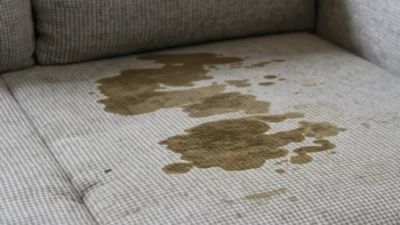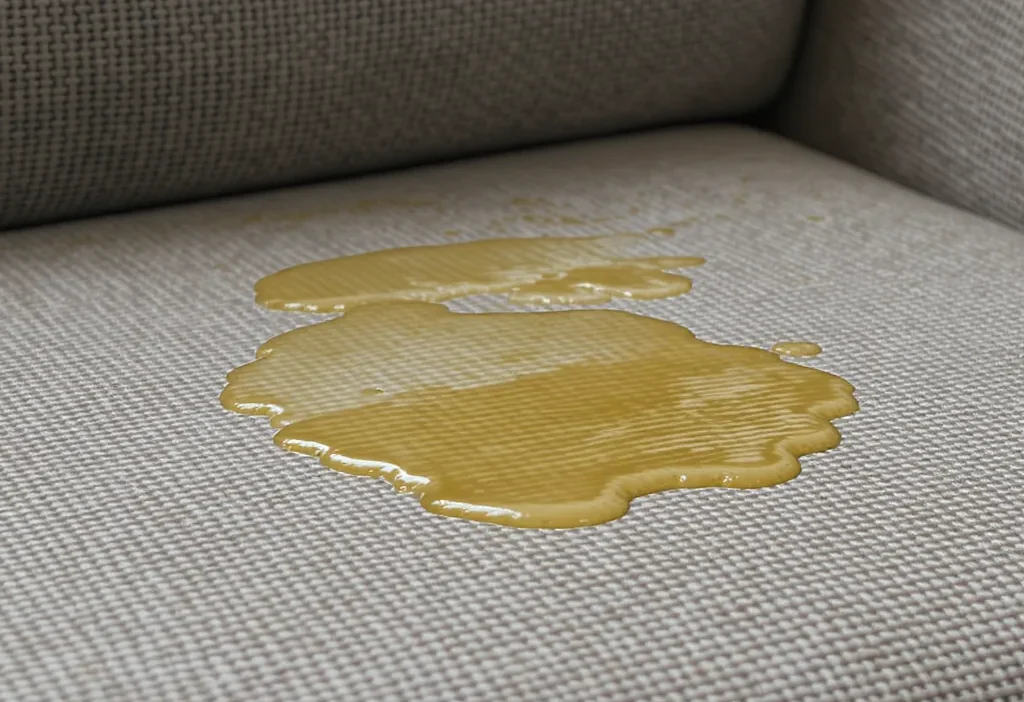
That moment of horror is universal: a greasy pizza slice slips from your fingers, or a dollop of hand cream transfers from your skin to the armrest. Your heart sinks as you stare at the oily blotch spreading on your sofa. The panic is real, but here’s the critical truth that most cleaning guides gloss over—your immediate next step to remove a grease stain from upholstery depends entirely on one thing. It’s not the cleaner you grab first; it’s whether your couch is made of microfiber or a traditional woven fabric. Using the wrong protocol can set the stain permanently or damage the fabric’s texture. This isn’t about a one-size-fits-all solution; it’s a targeted rescue mission that starts with a simple diagnosis. Let’s cut through the confusion and get you the right strategy from the very first blot.
To remove a grease stain from upholstery, first identify if it’s microfiber or woven fabric. For microfiber, use isopropyl alcohol on a cloth. For woven fabrics, sprinkle cornstarch to absorb the oil, then dab with a mild dish soap solution. Never rub, and always test your cleaner in a hidden area first.
Step 1: Diagnose Your Fabric Type (It’s Crucial)
Before you grab any cleaner, you must know what you’re dealing with. The method to remove grease stain from upholstery depends entirely on whether your sofa is made of microfiber or a traditional woven fabric. Using the wrong technique can set the stain or damage the material.
Here’s how to identify upholstery fabric for grease stain removal:
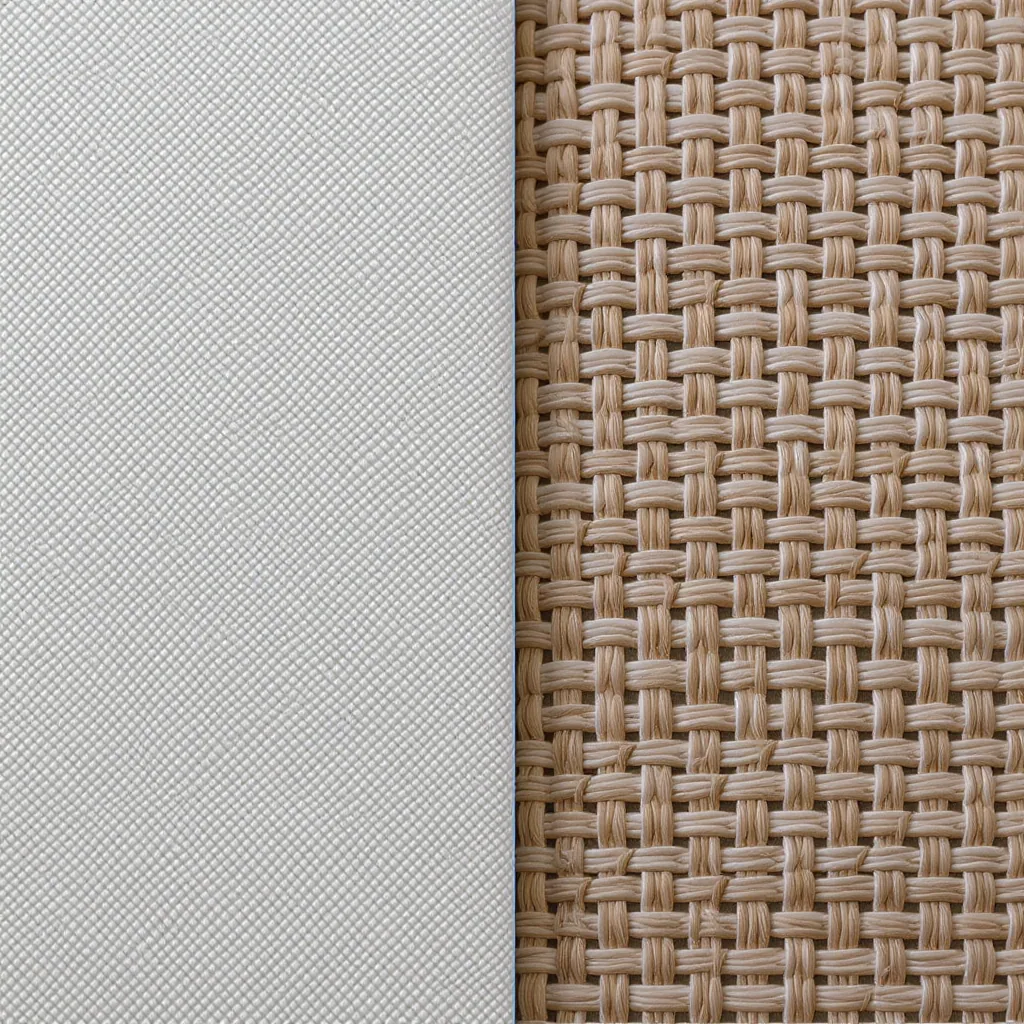
- Look and Feel: Run your hand over the fabric. Microfiber has a distinct, uniform, slightly suede-like nap that changes color when you brush it one way. Woven fabrics (like cotton, linen, or polyester blends) have a more varied, textured feel you can see individual threads in.
- The Water Test: In a hidden spot (under a cushion, on the back), place a single drop of water. On microfiber, the bead will typically sit on top or absorb very slowly. On a woven fabric, it will be absorbed quickly, darkening the fibers.
- Check the Tag: The ultimate authority is the manufacturer’s care tag, usually found on the underside or back of a cushion. Look for codes like “W” (water-based cleaner), “S” (solvent-based), “WS” (either), or “X” (vacuum only).
The Microfiber Protocol: Why Alcohol is Your Ally
For a microfiber couch grease stain, your best friend is a bottle of isopropyl (rubbing) alcohol. Here’s why it works and exactly what to do.
Why Alcohol Works
Microfiber is made of ultra-fine synthetic fibers, often polyester or nylon, that are woven tightly. Isopropyl alcohol (70% concentration is ideal) acts as a solvent that breaks down oily residues without saturating the fabric with water, which can drive the stain deeper or leave a ring. The Good Housekeeping Institute recommends this method for its effectiveness on synthetic materials.
Do’s and Don’ts for Microfiber
DO:
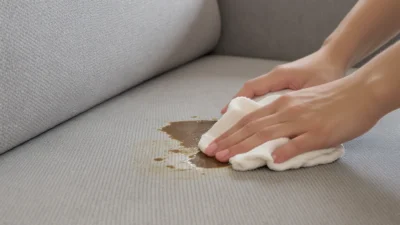
- Blot any excess grease immediately with a clean, dry paper towel.
- Test the alcohol on a hidden area first to check for colorfastness.
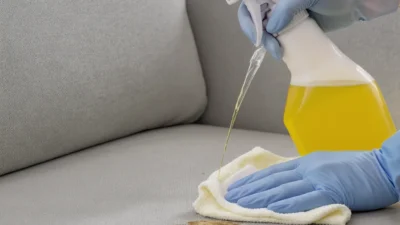
- Apply 70% isopropyl alcohol to a clean, white cloth (never pour directly).
- Dab the stain from the outside toward the center to prevent spreading.
- Let the area air dry completely, then gently brush the nap with a soft-bristle brush to restore the texture.
DON’T:
- Use water or steam first, as it can worsen the oily spot.
- Scrub or rub vigorously, which can fray the fibers and spread the grease.
- Use harsh chemicals like bleach or ammonia, which can degrade the fabric.
- Saturate the fabric; use a damp cloth, not a wet one.
The Woven Fabric Strategy: Absorb First, Clean Gently
Treating an oily stain on sofa fabric that’s woven requires a different, more patient approach. Here, the goal is to pull the oil out before tackling any residue.
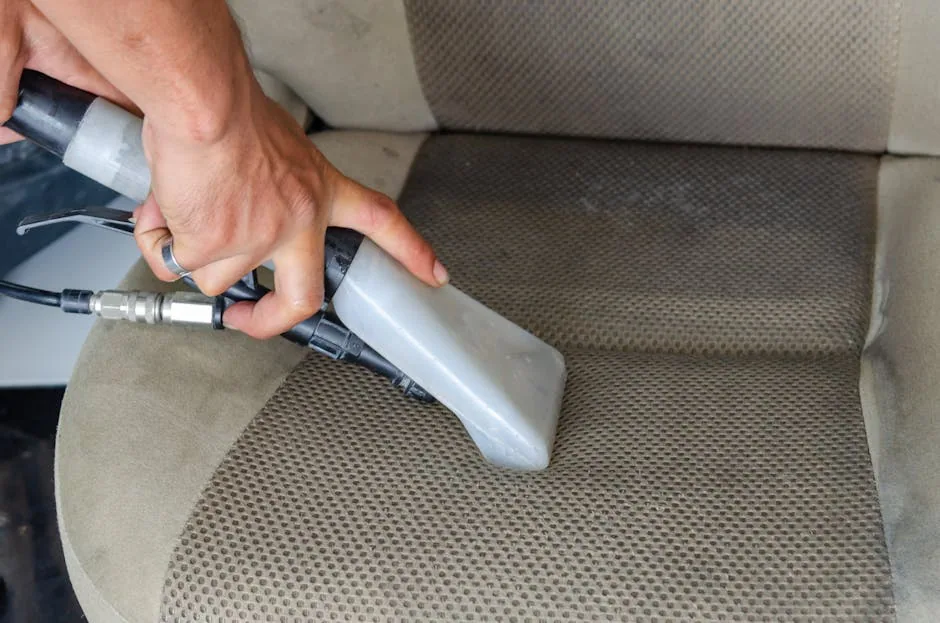
Photo by Khunkorn Laowisit on Pexels
Step 1: The Absorption Phase
Sprinkle a generous amount of an absorbent powder like cornstarch, baking soda, or even talc-free baby powder over the fresh stain. Gently work it in with your fingers and let it sit for at least 15 minutes, or even overnight for old stains. The powder will draw the oil out of the fibers. Vacuum it thoroughly away.
Step 2: The Cleaning Phase
After absorbing the bulk of the oil, you can use a gentle, water-based cleaner. Mix a drop of clear, mild dish soap (like Dawn) with a cup of cool water. Dampen a white cloth with the solution, wring it out well, and dab the remaining stain. Follow by dabbing with a cloth dampened with plain water to rinse. Blot dry with a towel. This two-step process—absorb then clean—is key for successful woven fabric grease stain removal.
Remember, the order is critical. Jumping straight to a soapy solution on a woven fabric can spread the oil. This method of how to clean grease from a couch with woven fabric is more about patience than power.
Common Mistakes That Set the Stain (or Damage the Fabric)
In the panic to clean an oily stain from a fabric couch, it’s easy to make errors that lock the grease in permanently. Avoid these common pitfalls:
- Rubbing Instead of Blotting: Scrubbing grinds the grease deeper into the fibers and can distort the fabric’s weave or nap. Always press and lift straight down with a clean cloth.
- Using Hot Water: Heat can set stains, especially if the grease is mixed with food proteins (like pizza cheese). It can also cause dye bleeding. Stick to cool or lukewarm water for cleaning.
- Skipping the Spot Test: Assuming a cleaner is safe is a gamble. Always test your chosen method (alcohol or soap) in an inconspicuous area first to check for color loss or texture change.
- Using the Wrong Cleaner for the Fabric: Applying water-based cleaners to microfiber first, or using a solvent on a dry-clean-only woven fabric, can lead to rings, shrinkage, or damage. Diagnose first.
- Over-wetting the Fabric: Soaking the area makes it harder to dry, promotes mildew, and can cause watermarks. Use a damp cloth, not a wet one, and blot excess moisture away.
Your Path to a Clean Couch
Successfully tackling a grease spot on your upholstery isn’t about having a magic cleaner—it’s about having the right strategy. That strategy is dictated by a simple, one-minute diagnosis of your fabric type. For microfiber, you get a relatively straightforward fix with isopropyl alcohol. For woven fabrics, you trade simplicity for a more methodical, two-step process of absorption and gentle cleaning.
The trade-off is clear: microfiber offers a quicker, solvent-based solution, while woven fabrics demand a bit more patience. Whichever path you take, acting quickly and avoiding those common mistakes gives you the best shot at restoring your sofa to its pre-spill glory. Now you’re equipped not just to react, but to react correctly.