You pull back your curtain to let in the morning light and there it is—a faint, shadowy spot near the hem, accompanied by that unmistakable, slightly sour, musty smell. That initial pang of worry is completely normal; discovering mildew on your fabric curtains feels like a setback for any clean and cozy home. But here’s the reassuring truth: mildew spots on curtains are a common issue, especially in humid climates or poorly ventilated rooms, and they are almost always fixable with a calm, methodical approach. The key to successfully remove mildew stains from curtains isn’t rushing to scrub—it’s pausing to diagnose. Jumping straight to cleaning without confirming the stain type or checking your fabric’s limits can set the stain permanently or damage the material. This guide will walk you through that quick diagnosis first, then match you with the safest, most effective curtain mold spot cleaning method for your specific drapes, turning a moment of concern into a simple, manageable task.
Yes, you can remove mildew stains from curtains. Start by confirming it’s mildew (look for a speckled, grey-green pattern and a musty smell) and check the fabric care label. For most washable fabrics, pre-treating with a white vinegar and water solution before a gentle machine wash is effective. Always dry the curtains completely in sunlight or with high heat to prevent regrowth, and address the room’s moisture source for a long-term fix.
First, Confirm It’s Mildew (Not Just Dirt)
Before you grab a cleaner, take a moment to confirm you’re dealing with a mildew stain on your fabric drapes and not just dust or a water mark. Using the wrong treatment can set a stain or damage the fabric. Here’s a quick diagnostic checklist:
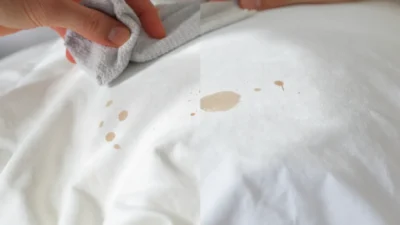
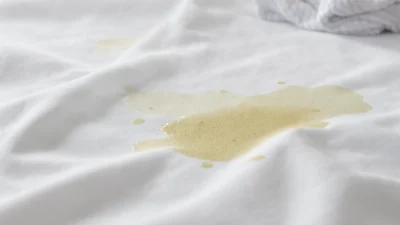
- Look: Mildew spots often appear as a speckled or powdery pattern in shades of grey, black, or green. They might look fuzzy at the edges, unlike a simple dirt smudge which is usually more uniform.
- Sniff: The most telling clue is the smell. Gently bring the fabric close and take a whiff. A distinct, earthy, musty odor is a hallmark of mildew or mold.
- Check the Location: Is the spot on the curtain panel that touches a cold window? Is it in a room with poor ventilation, like a bathroom or basement? Mildew thrives in damp, stagnant conditions.
If your curtain passes two or more of these checks, you’re likely dealing with a curtain mold spot that needs specific cleaning. This correct diagnosis saves you time and prevents potential fabric damage.
Your Fabric Dictates the Cleaning Method
This is the most critical step. The right way to clean mold off curtains depends entirely on what they’re made of. Your first move should always be to check the care label sewn into the lining or hem.
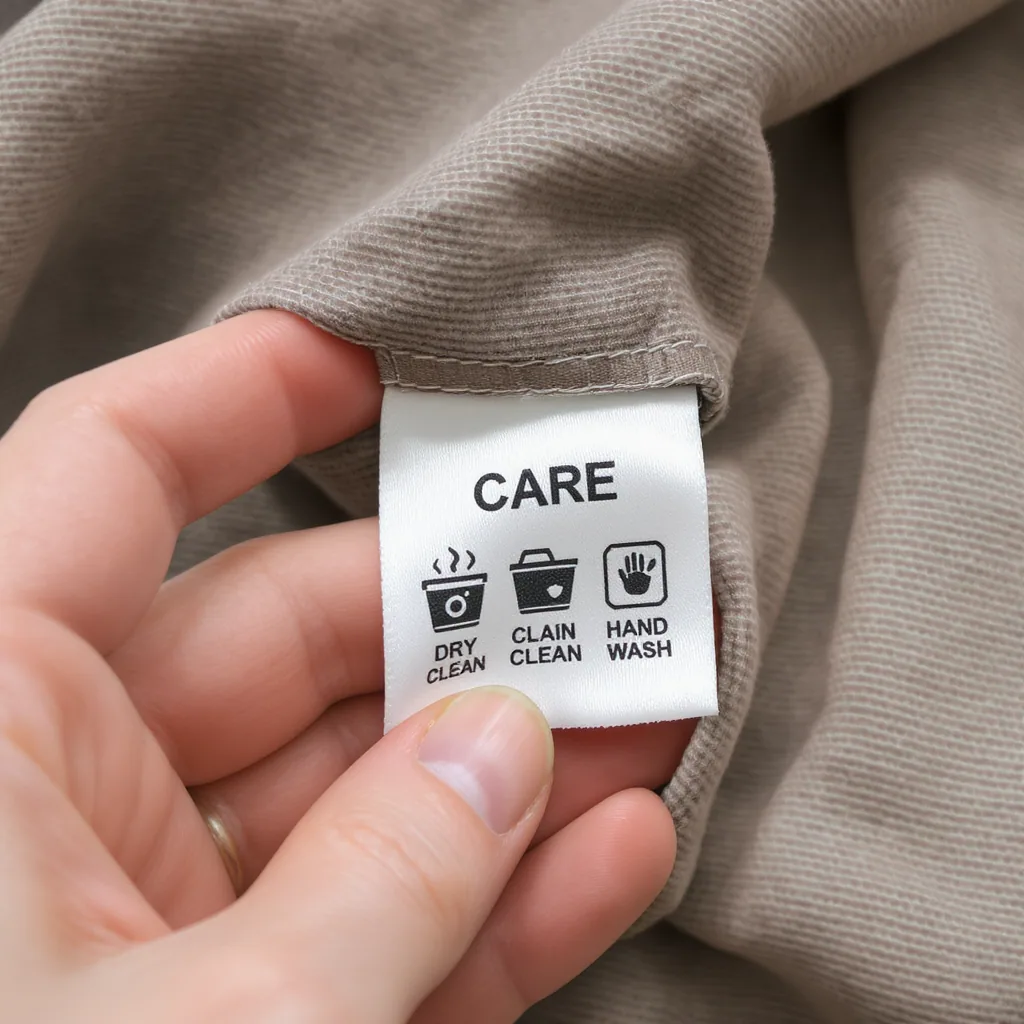
Decision Point: What Does the Label Say?
If it says “Machine Washable”: You’re in luck. Most cotton, polyester, and synthetic blends can handle a gentle machine wash. This is the most thorough method for curtain mold spot cleaning.
If it says “Dry Clean Only”: This is common for delicate fabrics like silk, velvet, or lined drapes. Do not attempt home washing. Your safest bet is to point out the mildew stain to a professional cleaner, as they have specialized solvents.
If the label is missing or faded: Perform a spot test. Mix a mild detergent with water, dab it on a hidden seam or the back of a hem, and blot dry. Check for color bleeding or fabric damage after 30 minutes. If all is well, you can proceed cautiously with spot cleaning.
Step-by-Step Cleaning Options
Now, let’s get to the practical solutions. Choose the path below based on your fabric diagnosis from the previous section.
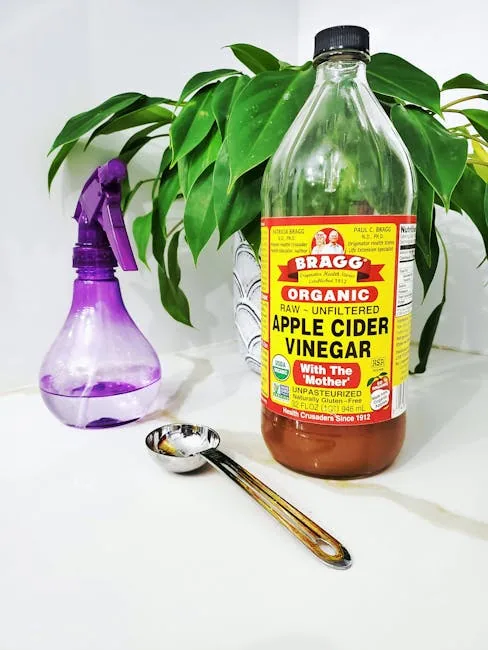
Photo by Rosana Solis on Pexels
For Machine-Washable Curtains
This is the most effective way to get mildew out of drapes made of sturdy fabric.
- Pre-treat: Create a solution of equal parts white vinegar and water. Vinegar is a mild acid that kills mildew spores. Lightly spray or dab this onto the mildew stain on fabric drapes and let it sit for 15-30 minutes.
- Wash: Remove the curtains from the rod and wash them alone on the gentlest cycle your machine offers. Use the hottest water temperature the fabric care label allows (heat helps kill mildew).
- Boost the Clean: For white or colorfast curtains, add oxygen bleach (like OxiClean) to the drum—not chlorine bleach, which can weaken fibers over time. For colored curtains, use a color-safe oxygen bleach or an extra rinse with a cup of vinegar.
- Dry Thoroughly: This is non-negotiable. Tumble dry on low heat or hang them outside in direct sunlight, which has natural bleaching properties. Ensure they are completely, bone-dry before rehanging.
For Spot-Cleaning Delicate or “Dry Clean” Fabrics
When you can’t machine wash, targeted treatment is key.
- Mix a Gentle Cleaner: Combine one tablespoon of mild liquid dish soap with two cups of cool water. For light-colored fabrics, you can use a diluted vinegar solution (one part vinegar to four parts water).
- Dab, Don’t Rub: Using a clean white cloth, lightly dab the solution onto the mildew spot. Rubbing can grind spores deeper into the fibers or distort the fabric.
- Rinse and Blot: Dampen another cloth with clean water and dab the area to rinse out the cleaning solution. Follow with a dry towel to blot up as much moisture as possible.
- Dry Immediately: Use a fan or hairdryer on a cool setting to dry the treated spot completely. Proper drying is your best defense against the mildew returning.
Important Dos and Don’ts:
- DO always test your cleaning solution on an inconspicuous area first.
- DON’T ever mix vinegar and chlorine bleach—it creates toxic fumes.
- DO ensure curtains are 100% dry before putting them back up or storing them.
- DON’T use undiluted bleach directly on fabric; it can cause yellowing and fiber degradation.
Common Mistakes That Make Mildew Worse
In the rush to fix the problem, it’s easy to make errors that can permanently damage your curtains or lock in the stain. Here are the key pitfalls to avoid when treating mildew spots on window treatments.
1. Rubbing the Spot Vigorously. This seems intuitive, but it pushes mildew spores deeper into the fabric weave and can fray delicate fibers. Always use a gentle dabbing or blotting motion.
2. Putting Curtains Away While Damp. Even a little residual moisture in a folded curtain is an invitation for mildew to regrow, often worse than before. Storage must wait for complete dryness.
3. Using Hot Water on an Unknown Stain. If you haven’t confirmed it’s mildew, hot water can set other types of stains (like certain oils or proteins) permanently. Start with cool water for testing and initial rinsing.
4. Ignoring the Root Cause. Cleaning the curtain without addressing the moisture source—like condensation on windows, a leaking seal, or poor bathroom ventilation—guarantees the mildew stain on fabric drapes will return. The cleaning is only half the job.
Preventing Mildew from Coming Back
Successfully treating mildew is a victory, but keeping it away is the long-term goal. The strategy is simple: reduce moisture and increase air flow around your windows.
First, ensure your curtains aren’t constantly pressed against cold window glass, as this creates a damp microclimate. Use tiebacks or ensure they hang slightly away from the pane. Improve room ventilation by opening windows regularly, using an exhaust fan in bathrooms, or running a dehumidifier in naturally damp spaces like basements. For a low-tech solution, small moisture-absorbing products like silica gel packs can be tucked behind curtain liners in problem areas. Finally, make a seasonal habit of vacuuming your curtains with an upholstery attachment to remove dust and spores before they can take hold in damp conditions.
Fresh, Clean Curtains Are Within Reach
Discovering a mildew spot on your favorite curtains can be unsettling, but as you’ve seen, it’s a manageable issue. The key is a calm, methodical approach: correctly identifying the stain, respecting your fabric’s limits with the right cleaning solution, and, most importantly, ensuring everything is thoroughly dried. By following these steps and taking simple measures to control humidity, you can restore your window treatments and enjoy a fresher, healthier home. You’ve got this.