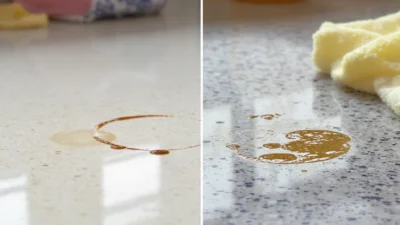
That vibrant yellow turmeric stain on your countertop staring back at you after a cooking session—frustrating, isn’t it? You wipe, you scrub, but the ghost of your curry or golden latte lingers. The reason this particular spice is a cleaning nemesis comes down to science: turmeric contains a powerful, oil-soluble pigment called curcumin that bonds tenaciously to surfaces. Whether you’re dealing with porous stone or a sealed laminate, that yellow residue can feel permanent. But don’t reach for the bleach or abrasive pad just yet—the key to safely remove turmeric stains from countertop surfaces isn’t a single harsh chemical, but a smart, material-specific approach. This guide cuts through the clutter to explain why the stain acts the way it does and walks you through the safest, most effective fixes tailored to your specific counter, so you can banish the yellow without causing damage.
The safest fix depends entirely on your countertop material. For all surfaces, start with a gentle scrub using dish soap and warm water. For persistent yellow spice stains on counter materials like laminate, quartz, or solid surface, a baking soda paste is often effective. For natural stone like granite, the same paste can work, but avoid acids. For delicate marble, stick to pH-neutral cleaners only. Always test any solution in an inconspicuous area first.
Why Turmeric Stains Are So Stubborn
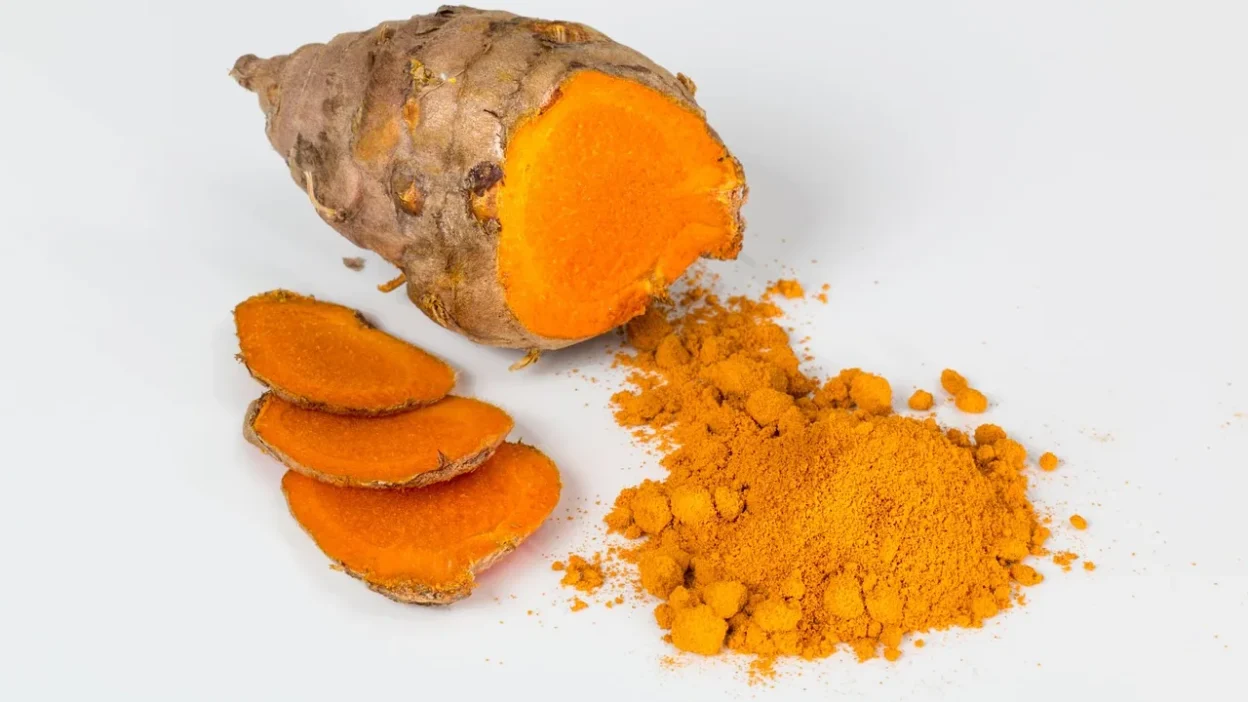
That vibrant yellow mark isn’t just a surface smudge; it’s a molecular-level invasion. The primary culprit is curcumin, the compound that gives turmeric its signature color. Curcumin is an intensely pigmented dye that is also oil-soluble. This means when turmeric powder mixes with cooking oils, sauces, or even the natural oils on your hands, it creates a stain that can penetrate more deeply than a water-based spill.
On non-porous surfaces like quartz or laminate, the pigment can bond to microscopic imperfections. On porous surfaces like granite, marble, or unsealed butcher block, the oily pigment can seep in, making the yellow spice stains on your counter look permanent. Furthermore, many common cleaners, like bleach, can actually oxidize and set the curcumin pigment, locking the yellow hue in place instead of removing it. Understanding this dual threat—pigment and oil—is the key to choosing a cleaning method that works.
First, Identify Your Countertop Material
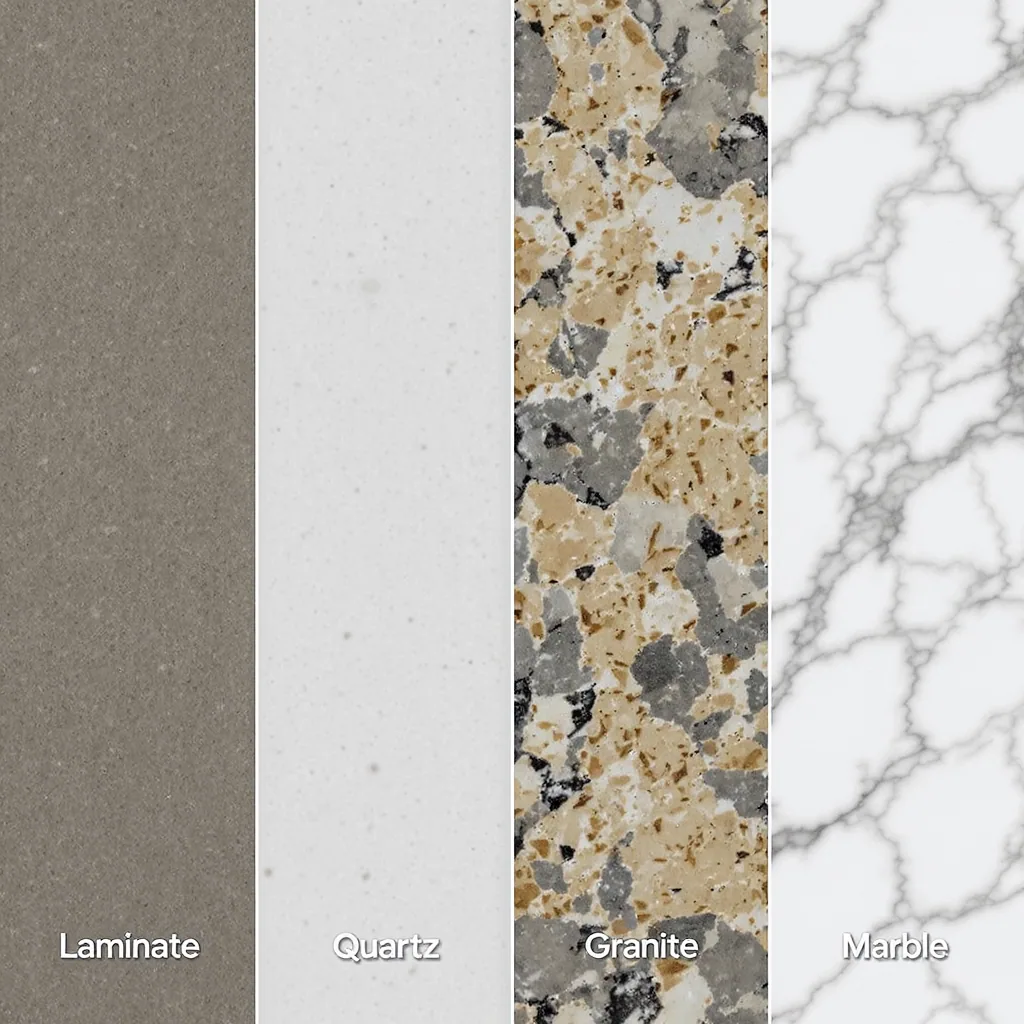
Your cleaning strategy lives or dies by this single step. Using the wrong cleaner can etch, dull, or permanently damage your surface. Here’s a quick guide to the most common types:
- Laminate: A non-porous, budget-friendly surface. It’s susceptible to scratches and can be damaged by harsh abrasives or strong solvents.
- Quartz/Engineered Stone: A very hard, non-porous mix of ground stone and resin. Generally stain-resistant but can be damaged by high heat and strong chemicals.
- Granite: A natural, porous stone that is usually sealed. It requires pH-neutral cleaners; acids (vinegar, lemon) can etch and dull the finish.
- Marble & Limestone: Delicate, calcite-based natural stones that are highly sensitive to acids. Even mild acids can cause permanent etching. They demand the gentlest approach.
- Solid Surface (e.g., Corian): Non-porous and uniform. Stains usually sit on the surface, but abrasive pads can scratch it.
- Butcher Block: Porous wood. Stains can soak in, but the surface can often be lightly sanded as a last resort.
The Safest Cleaning Protocol, Step-by-Step

Photo by Suresh Photography on Pexels
Follow this tiered approach. Always start with the gentlest method and test any new cleaner in an inconspicuous area first, like under the lip of the counter or inside a sink cabinet.
Step 1: The Universal First Pass
For all surfaces, begin here. Mix a few drops of dish soap (like Dawn) with warm water. Using a soft cloth or non-abrasive sponge, gently scrub the stain in a circular motion. Rinse thoroughly with clean water and dry. This often handles fresh, minor curry stain counter cleaning issues.
Step 2: Material-Specific Solutions for Persistent Stains
If soap and water fail, escalate based on your countertop type.
For Laminate, Quartz, & Solid Surface: Make a thick paste of baking soda and water. Apply it to the stain, cover with a damp cloth, and let it sit for 15-30 minutes. The paste acts as a gentle abrasive and can lift the stain. Wipe away. For remaining pigment, you can try a 50/50 mix of water and isopropyl alcohol (rubbing alcohol) on a cloth—test first.
For Granite & Other Sealed Natural Stone: Use the baking soda paste method described above. Baking soda is alkaline and safe for sealed stone. Avoid all acidic cleaners like vinegar, lemon juice, or generic bathroom cleaners, as they can etch the surface.
For Marble, Limestone, or Travertine: Skip the baking soda if you’re concerned. Your safest bet is a commercial pH-neutral stone cleaner or a paste made from a stone-cleaning powder and water. For a DIY option, a 3% hydrogen peroxide solution dabbed on the stain for a few minutes can sometimes work—but test extensively first, as it may lighten some stones.
For Butcher Block: Use the baking soda paste. If the stain remains, a light sanding with fine-grit sandpaper (220-grit) on the spot, followed by re-oiling or re-sealing the wood, will remove it.
Common Mistakes That Make Stains Worse
In the panic to fix a bright yellow stain, it’s easy to reach for the wrong tool. Avoid these errors to prevent permanent damage.
- Don’t use bleach or chlorine-based cleaners. On turmeric, bleach can cause a chemical reaction that sets the yellow pigment, making it even harder to remove.
- Don’t pour undiluted vinegar or lemon juice on natural stone. The acid will etch the surface, leaving a dull, cloudy mark that is often more permanent and noticeable than the original stain.
- Don’t use abrasive scrub pads or powders on delicate surfaces. Steel wool or harsh scouring powders can scratch laminate, solid surface, and stone finishes, creating grooves where future stains will collect more easily.
- Don’t let cleaning solutions dry on the surface. Always rinse the area thoroughly with water after cleaning and dry it with a soft cloth to prevent residue or potential damage from the cleaner itself.
You Can Conquer That Yellow Stain
Turmeric stains are formidable, but they’re not invincible. The victory lies in a calm, methodical approach: identify your surface, start gentle, and use the right tool for the job. Remember, the baking soda paste is your versatile ally for most yellow counter stains, while knowing what not to use—like acids on stone or bleach on anything—is just as critical. Your next step is simple: take a breath, identify your countertop material from the list above, and begin with the universal soap-and-water scrub. With a little patience and the right method, your countertop will be clear again.