That sickening lurch as your coffee cup tips over in the cup holder, the dark liquid arcing toward your passenger seat—it’s a universal moment of automotive dread. Your heart sinks, and panic sets in. But right now, in these critical first seconds, your reaction is everything. The single most important rule is to blot, never rub, to prevent the stain from grinding deeper into the fibers or smearing across the surface. This isn’t just a generic cleaning guide; it’s a material-specific rescue protocol. Coffee behaves differently on porous cloth than on non-porous leatherette, and using the wrong method can set the stain or damage the material. Whether you’re dealing with a cloth car seat coffee spill or a slick leatherette seat coffee cleanup, acting fast with the right knowledge is how you remove coffee stain from car seat upholstery successfully and avoid a permanent, smelly reminder of your morning commute.
To remove a coffee stain from a car seat, act fast. For cloth, blot up the liquid immediately with a clean, absorbent cloth, then treat the area with a mild dish soap and cool water solution, working from the outside in. For leatherette or vinyl, wipe the surface clean with a damp microfiber cloth and follow up with a dedicated leather or vinyl cleaner to disinfect and prevent a sticky residue. The core difference is material awareness—cloth requires absorption and gentle agitation, while leatherette needs swift surface removal and conditioning.
First Response: What to Do in the First 60 Seconds
Panic is the enemy of a clean car seat. Before you even think about cloth versus leatherette, your first moves are universal. They’re about damage control, and they start the second that cup tips over.
First, if you’re driving, signal and pull over safely. Don’t try to manage the spill while navigating traffic. Once you’re stopped, grab whatever absorbent material you have—paper towels, napkins, or a clean microfiber cloth from your trunk. The goal is to contain the liquid and stop it from spreading deeper into the seat foam or into seams.
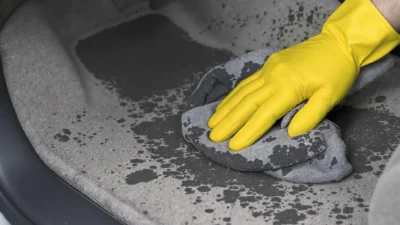
Now, the single most important rule: blot, never rub. Press the absorbent material firmly onto the wet area and lift. Rubbing a coffee spill grinds the pigments and sugars from the liquid deeper into the fibers of a cloth seat or across the grain of a leatherette one, making the eventual cleanup far more difficult. Work from the outside of the stain toward the center to prevent it from spreading. Your mission in these first 60 seconds is simply to remove as much of the free-flowing liquid as possible.
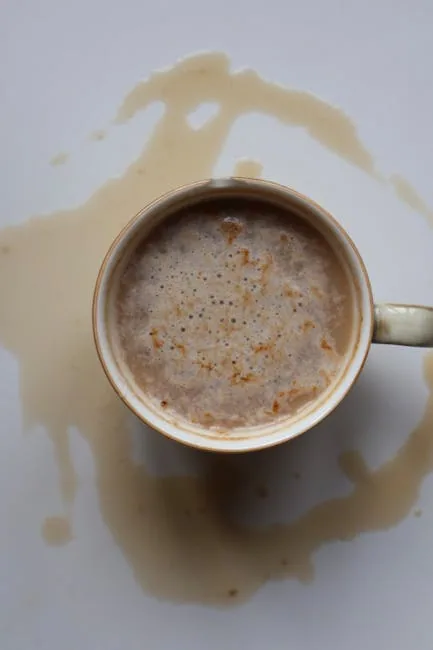
Photo by azra melek on Pexels
The Cloth Upholstery Protocol
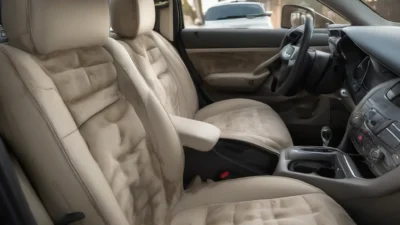
Fabric seats are porous, meaning that coffee can soak in quickly. Your strategy here is to lift the stain out of the fibers without oversaturating the underlying cushion foam, which can lead to mold and odors. For a successful cloth car seat coffee spill recovery, follow this sequence.
1. Blot Thoroughly: Use the method above until the paper towel comes away nearly dry.
2. Mix a Cleaning Solution: In a spray bottle or bowl, combine a teaspoon of clear, mild dish soap (like Dawn) with two cups of cool water. Hot water can set the proteins in dairy or coffee, so stick with cool.
3. Test in a Hidden Area: Spray or dab a tiny amount of the solution on an inconspicuous spot (like under the seat) to check for colorfastness. Wait a few minutes and blot dry.
4. Apply and Agitate Gently: Lightly mist the stain or apply the solution with a damp cloth. Using a soft-bristled brush (an old toothbrush works), gently agitate the area in a circular motion. Don’t scrub violently.
5. Rinse and Extract: This step is crucial. Dampen a clean cloth with plain cool water and blot the area to rinse out the soap. Soap residue attracts dirt. Press firmly to pull the moisture back out. You may need to repeat the rinse-and-blot step a few times.
6. Air Dry Completely: Open the doors or windows to promote airflow. You can use a dry towel to press out excess moisture, but avoid using a hair dryer or seat heater, as intense heat can bake in any remaining stain. For tougher or older car upholstery coffee stains, a dedicated upholstery cleaner formulated for automotive fabric may be necessary.
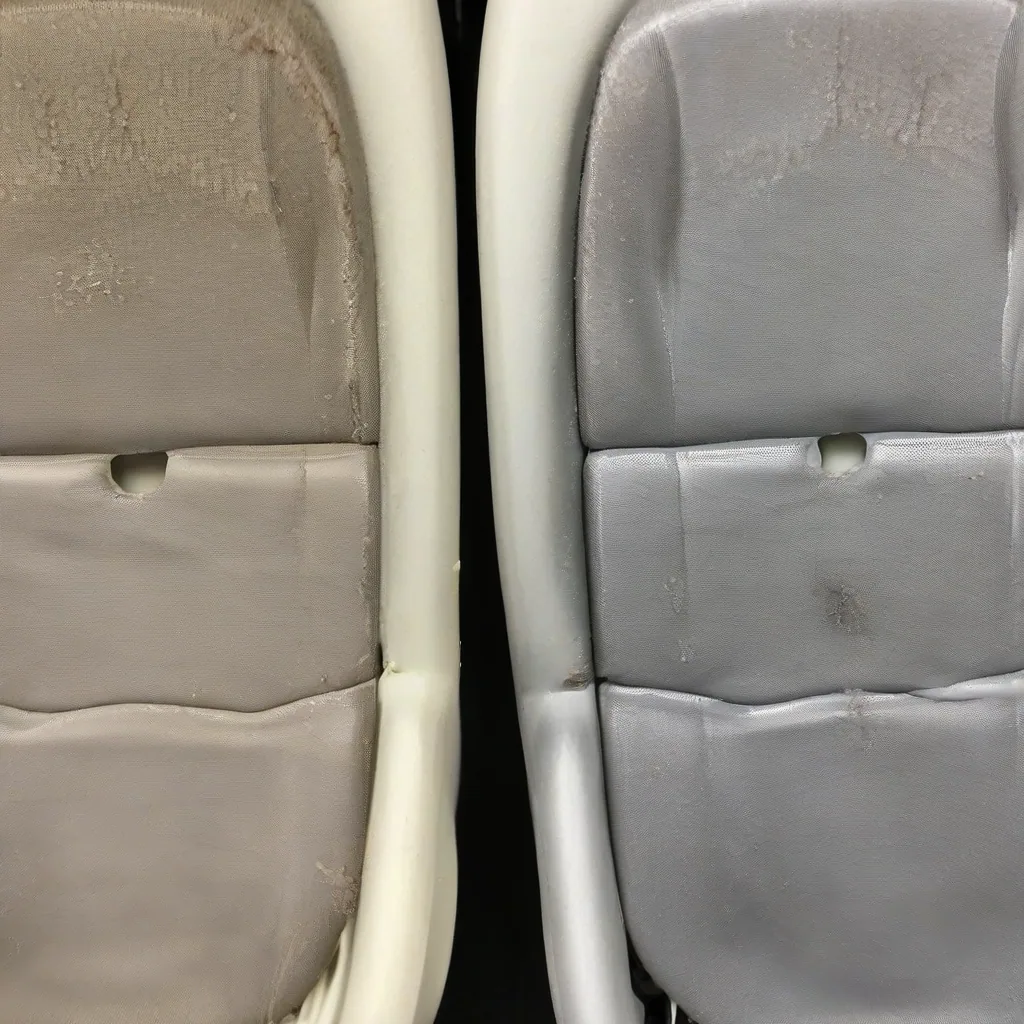
The Leatherette/Vinyl Upholstery Protocol
Leatherette, vinyl, and other synthetic leathers are non-porous. The coffee sits on the surface, which is good news, but the sugars and cream can leave a sticky, potentially smelly residue if not addressed properly. Your goal is surface cleaning and protection.
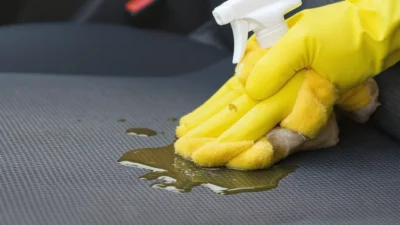
1. Wipe, Don’t Blot: Start with a microfiber cloth dampened with cool water. Wipe the area thoroughly to remove the surface liquid. Since it can’t soak in, a wiping motion is effective here.
2. Use a Dedicated Cleaner: Household soaps can leave a filmy residue on leatherette. Spray a small amount of a cleaner made for automotive vinyl or leather onto a clean microfiber cloth—not directly onto the seat—and wipe the stained area. Products like Chemical Guys InnerClean or Meguiar’s Gold Class Rich Leather Cleaner are designed for this material.
3. Disinfect if Needed: Coffee with sugar and dairy can promote bacteria. A quick wipe with a cloth lightly dampened with a 1:1 water and isopropyl alcohol solution (test first!) can disinfect. Rinse immediately with a water-dampened cloth.
4. Condition to Protect: After cleaning and once the seat is completely dry, apply a light coat of a vinyl or leatherette protectant. This restores moisture and creates a barrier, making the next leatherette seat coffee cleanup even easier. Avoid oily dressings that make seats slippery.
Common Mistakes That Make Stains Worse
In the rush to fix a car seat coffee accident, it’s easy to reach for the wrong tool or technique. Here’s what to avoid, and why.
Using Hot Water: It feels like it should work better, but heat can cook the proteins in coffee and milk, bonding them permanently to the fabric fibers. Always use cool or lukewarm water for coffee stain removal in your car interior.
Rubbing Vigorously: We’ve said it before, but it’s the most common error. Rubbing spreads the stain and pushes it deeper. Blotting lifts it away.
Applying Harsh Chemicals: Bleach, ammonia, or all-purpose cleaners not designed for auto upholstery can strip dyes from cloth and dry out or crack leatherette. They can also create toxic fumes in your enclosed cabin.
Skipping the Spot Test: That hidden area under the seat is your best friend. A two-minute test can prevent a permanent discoloration disaster on your main seating area.
Forcing a Fast Dry: Pointing a hair dryer or cranking the seat heaters on high seems logical. Unfortunately, this rapid heating can shrink certain fabrics and literally bake any remaining stain compounds into the material, setting them for good.
Keep Your Cool (And Your Coffee Contained)
Successfully managing a spill is satisfying, but avoiding one is better. The simplest shift is your vessel: swap the disposable lid-less cup for a travel mug with a secure, click-closed lid. It’s a small change that neutralizes most spill risk entirely.
Beyond that, build a small car emergency kit. Stash a roll of paper towels or a pack of absorbent shop towels in the trunk or under a seat alongside a travel-sized bottle of your preferred cleaner. A little preparedness turns a potential catastrophe into a minor, five-minute inconvenience. Finally, consider giving your car’s interior a regular wipe-down; a clean surface is always easier to clean again. Now, go enjoy that coffee—just keep it upright.