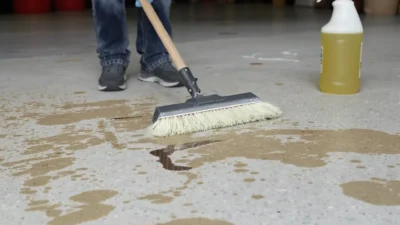
You’ve just washed your car or swept the garage, and there they are: those unsightly black streaks and scuffs marring your clean concrete. Whether from a quick turn, a hard stop, or just daily wear, tire marks on a driveway or garage floor are a stubborn and frustrating eyesore. They seem to laugh at a simple hose-down, clinging to the surface with a tenacity that can make any homeowner sigh. But before you reach for the harshest chemical you can find, it’s crucial to understand what you’re dealing with. This guide cuts through the frustration with a clear, two-part focus: first, we’ll explain the simple science of why these rubber stains bond so fiercely to concrete, and then we’ll provide a safe, prioritized checklist of fixes—so you can clean tire marks off concrete effectively without risking damage to your pavement.
Tire marks are essentially melted rubber transferred onto the concrete surface by the heat and friction of your tires. The safest way to remove them is to start with mechanical action, like a pressure washer on a cold setting, or a dedicated, pH-neutral concrete cleaner or degreaser. It’s critical to avoid harsh acids like muriatic acid as a first resort, as they can etch and permanently damage the concrete surface. Patience and the right, gentle approach will lift the marks without compromising your driveway’s integrity.
Why Tire Marks Stick to Concrete (The Science)

Photo by Jonathan Borba on Pexels
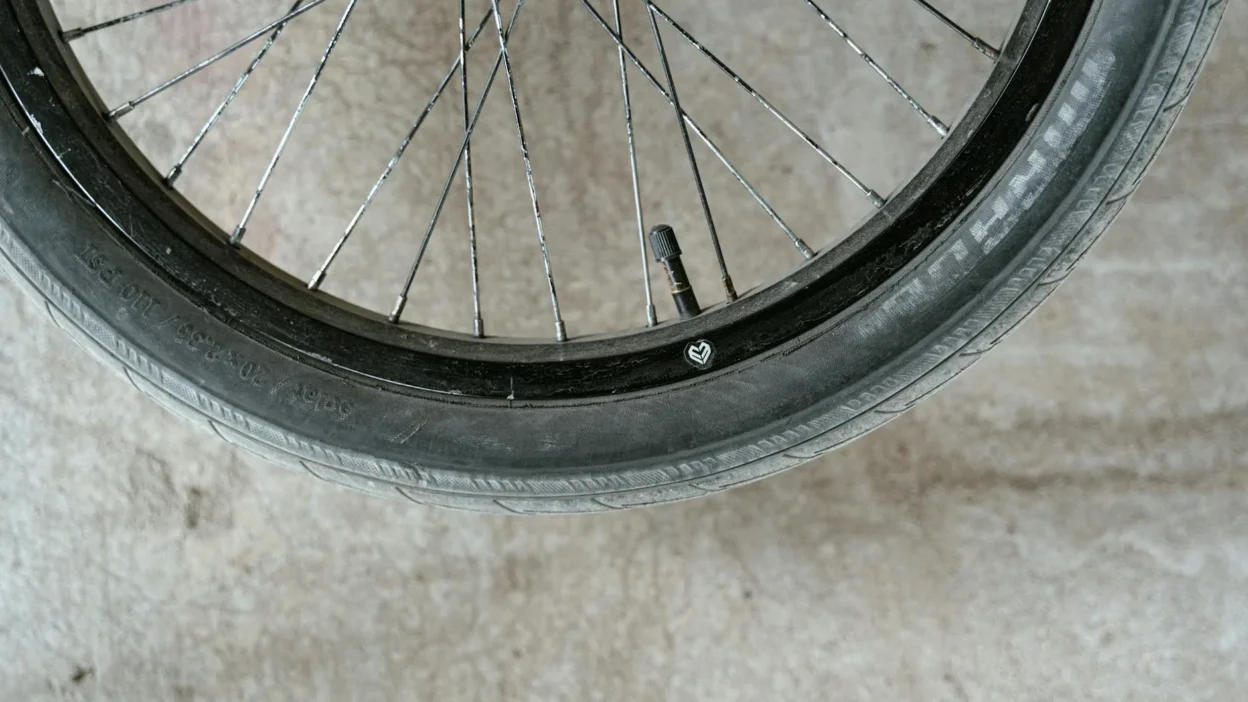
Those frustrating black streaks aren’t just dirt sitting on the surface. They’re a physical and chemical bond. When you brake hard, accelerate quickly, or make a sharp turn, the friction between your tire and the concrete generates intense heat. This heat momentarily melts a thin layer of the tire’s rubber compound.
Concrete, despite its solid appearance, is a porous material with a slightly abrasive texture. Think of it like ultra-fine sandpaper. The melted, sticky rubber is pressed into these microscopic pores and grooves. As it cools, it solidifies, creating a strong mechanical bond that’s incredibly difficult to dislodge with just soap and water. This is why simple scrubbing often fails and why you need a more targeted approach to clean tire marks off concrete effectively.
Your Safe Cleaning Checklist: Start Here
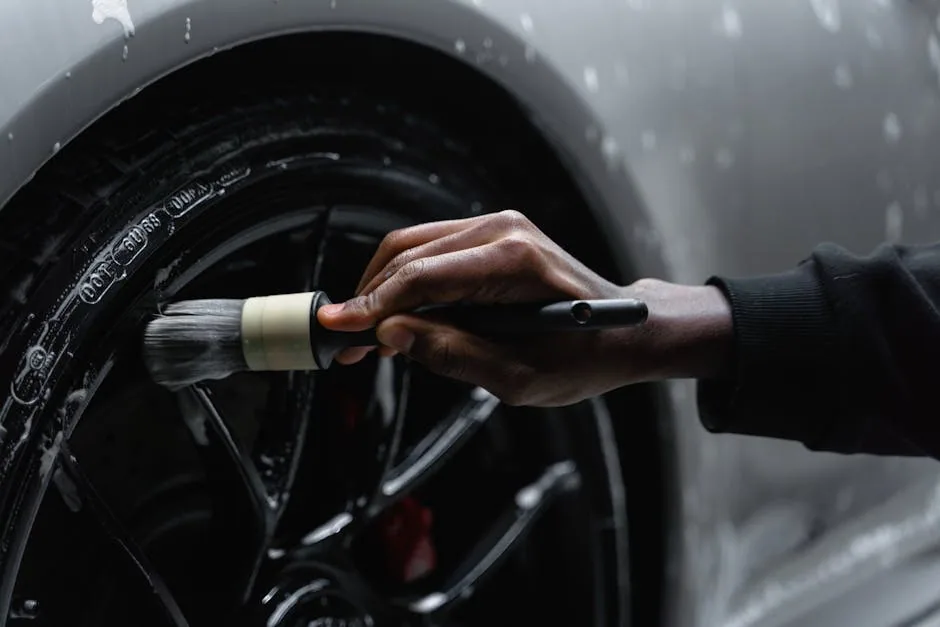
Photo by Tima Miroshnichenko on Pexels
Patience and starting with the least aggressive method will protect your concrete. Follow this checklist in order to safely remove tire marks from concrete without causing damage.
1. The Pressure Washer (Cold Water)
This is your first and best line of defense for fresh marks. Using a pressure washer with a 25- or 40-degree nozzle, hold it 6-12 inches from the stain and use a sweeping motion. The sheer force of the water can often blast away recently transferred rubber. Key tip: Always use cold water. Hot water can actually bake fresh rubber into the surface, making the stain permanent.
2. Dedicated Concrete Cleaner or Degreaser
For marks that resist the pressure washer, a specialized cleaner is your next step. Look for a pH-neutral or alkaline rubber marks concrete remover or a heavy-duty degreaser. Apply it according to the label, let it dwell (usually 10-15 minutes to penetrate and break the bond), then scrub with a stiff-bristle brush (nylon, not metal) and rinse thoroughly. This method tackles the black marks on driveway cleaning effectively for most cases.
3. Baking Soda Paste (The Gentle Abrasive)
For lighter scuffs or if you prefer a household option, make a thick paste of baking soda and water. Apply it to the stain, let it sit for 30 minutes, then scrub vigorously with a brush. The baking soda acts as a mild abrasive to help lift the rubber without scratching the concrete. Rinse well.
4. Commercial Rubber Mark Remover
For the most stubborn, set-in tire burn marks on pavement, a product specifically formulated to dissolve rubber is the final option. These are powerful, so it’s critical to follow the safety and application instructions to the letter. Always test in an inconspicuous area first, especially on colored or sealed concrete.
Common Mistakes That Can Damage Your Concrete
In the rush to get rid of rubber stains on driveway, it’s easy to reach for the most aggressive tool. Avoid these common errors that can etch, discolor, or permanently scar your concrete surface.
Don’t use muriatic acid indiscriminately. While it can work, it’s extremely hazardous and will aggressively etch the concrete, damaging the finish and making it more porous and prone to future staining.
Don’t attack it with a wire brush or metal scraper. Metal tools will scratch and gouge the surface, creating grooves that collect more dirt and are visible long after the tire mark is gone.
Don’t pour straight bleach or let cleaner puddle. Undiluted bleach can weaken concrete and harm surrounding plants. Letting any chemical cleaner dry on the surface can leave permanent discoloration.
Don’t ignore the manufacturer’s instructions on any commercial product. Using too high a concentration or insufficient dwell time can be ineffective or damaging.
Troubleshooting Stubborn or Old Marks
What if you’ve gone through the checklist and those dark ghosts of past donuts remain? Don’t panic. Different scenarios call for adjusted tactics.
For Set-In, Aged Stains
Time is the enemy here, as the bond strengthens. Your best bet is to repeat the dedicated cleaner or commercial remover process, but extend the dwell time significantly. Cover the applied cleaner with plastic wrap to prevent it from drying out, and let it work for 30-60 minutes before scrubbing and rinsing. You may need two applications.
For Colored, Stamped, or Sealed Concrete
Extra caution is non-negotiable. The sealant or color can be stripped by harsh chemicals. Always test your chosen method in a hidden corner first, like near the garage door or behind a shrub. If the cleaner affects the sheen or color, revert to the gentlest method (pressure washing or baking soda paste) and consider consulting a professional for concrete scuff mark removal on decorative surfaces.
When Nothing Seems to Work
If the mark is truly permanent (sometimes heat can chemically alter the concrete itself), your options shift to masking rather than removal. A concrete stain or dye matched to your driveway’s color can camouflage the area. For larger issues, resurfacing with a thin concrete overlay is a more involved but effective solution.
Keep Your Driveway Clean for the Long Haul
Successfully removing tire marks is satisfying, but preventing them is easier. The safest fixes are patient and methodical, starting gentle and escalating only as needed. To minimize future black marks on driveway cleaning sessions, maintain proper tire pressure to reduce sidewall flexing, avoid sharp turns and sudden stops on your concrete, and consider applying a high-quality concrete sealant. A good sealant fills the pores, creating a smoother, less “grippy” surface that makes future clean-up as simple as a quick rinse. Your driveway will thank you.