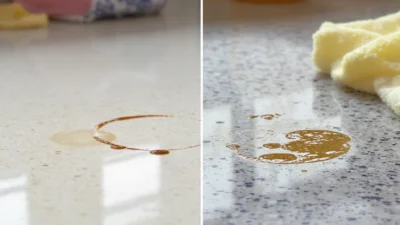
You’ve just noticed it: a dark coffee ring on your pristine quartz countertop, or a splash of red wine that dried on the tile backsplash. Your hand hovers over the cabinet, frozen. Do you grab the all-purpose spray, the baking soda, or the trusty vinegar bottle? That moment of hesitation is the smartest move you can make, because the single most important rule of countertop stain removal is this: the method must match the material. Using the wrong cleaner on a granite, marble, or laminate surface isn’t just ineffective—it can etch, dull, or permanently damage a significant investment in your kitchen’s beauty. This guide cuts through the confusion by acting as your decision-making partner. We’ll start by helping you identify your surface, then provide the safe, specific protocols for stain removal by countertop material, so you can tackle any spill with confidence instead of fear.
The safest way to tackle kitchen stains is to first identify your countertop or backsplash material, as using the wrong cleaner can cause permanent damage. For most surfaces, start with a pH-neutral cleaner and a soft cloth, avoiding abrasive scrubs and acidic solutions like vinegar on natural stone. Your core strategy is always material-first: know your surface, then apply the targeted method.
Your First Decision: Identify Your Surface Material
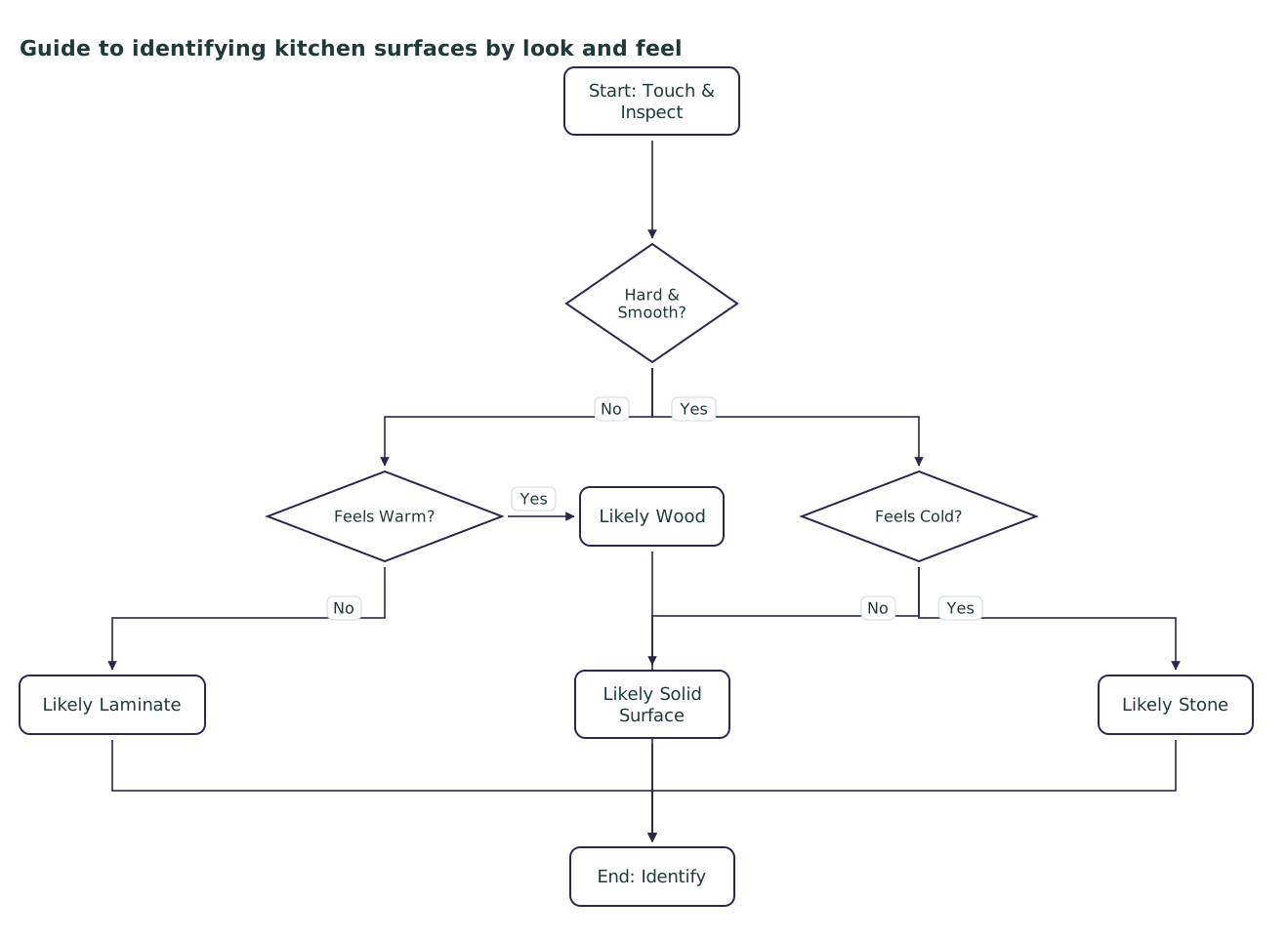
Before you reach for any cleaner, you must identify what you’re cleaning. Using the wrong method on a sensitive material is the fastest way to turn a simple stain into permanent damage. This step is the cornerstone of any effective countertop stain removal guide.
Start with a visual and tactile inspection. Is the surface glossy and completely non-porous? That points to engineered quartz or laminate. Does it have a natural, crystalline pattern with unique veining? You’re likely looking at granite or marble. A uniform, slightly warm feel with seamless seams often indicates a solid surface like Corian. For backsplashes, individual squares separated by grout lines mean you’re dealing with tile—ceramic, porcelain, or glass.
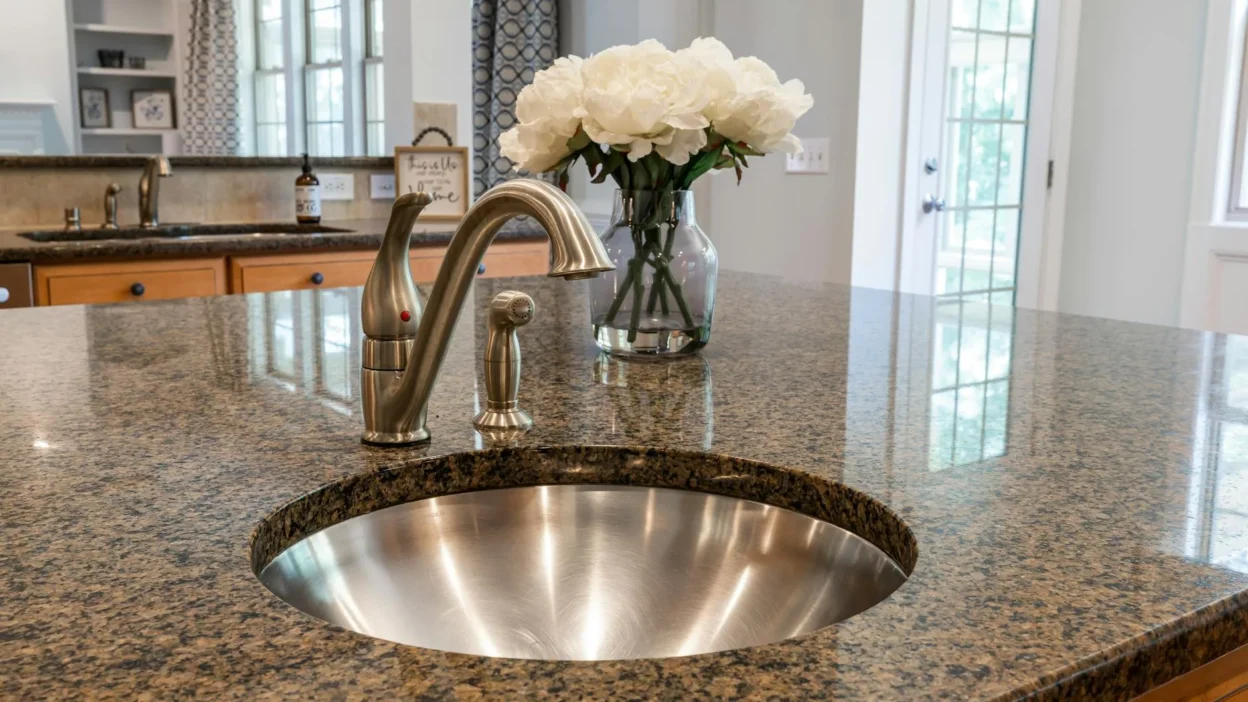
If you’re unsure, check the manufacturer’s care guidelines (often found online with your model number) or look for a small sample chip you might have saved. When in serious doubt, test your cleaning method in an inconspicuous area, like inside a sink cutout or behind the faucet. Remember: This is an educational guide to help you make an informed decision, not a substitute for professional material verification.
The Safe Cleaning Toolkit: What to Use (and Avoid)
Once you know your material, you need the right tools. Think of this as building a foundation of safe habits that apply to nearly every kitchen surface, before we get into the specifics of stain removal by countertop material.
Your Go-To Supplies (The Do’s)
- Microfiber Cloths: These are your best friend. They are soft, lint-free, and highly effective at lifting grime without scratching.
- Soft Sponges (non-abrasive): The white, melamine-free “magic eraser” type sponges can be used gently on many non-porous surfaces for tough spots, but always test first.
- pH-Neutral Cleaners: A dedicated stone cleaner or a mild dish soap (like Dawn) diluted in warm water is safe for most surfaces. The neutral pH won’t chemically etch or degrade sealants.
- Isopropyl Alcohol (70%+): Excellent for cutting grease on non-porous surfaces like quartz and laminate. Always dilute slightly with water for regular cleaning.
Universal Enemies (The Don’ts)
- Abrasive Pads & Powders: Steel wool, green Scotch-Brite pads, and abrasive cleansers (e.g., Comet, Bar Keepers Friend on sensitive surfaces) will scratch and dull finishes permanently.
- Undiluted Bleach or Ammonia: These harsh chemicals can break down resins, discolor surfaces, and degrade sealants on natural stone.
- Acidic Cleaners: This is the big one. Vinegar, lemon juice, and most all-purpose cleaners contain acids that will etch calcium-based stones like marble, limestone, and travertine, leaving a permanent dull mark.
- Razor Blades as Scrapers: While sometimes used on glass or quartz, a blade can easily gouge softer materials like laminate or solid surface if not held perfectly flat.
Stain Removal Methods by Countertop Type
This is your core action plan. Match your identified material to the corresponding method below. For a quick reference, use the table to compare approaches at a glance.
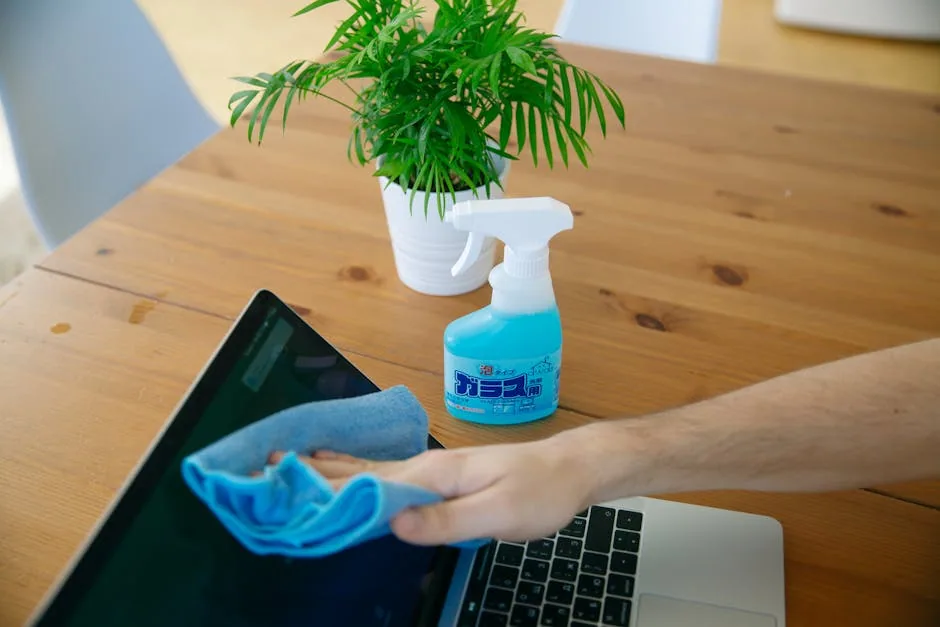
Photo by Polina Zimmerman on Pexels
Engineered Quartz
Quartz is non-porous and highly stain-resistant, but not invincible. Dried coffee, wine, or grease can stick to the surface.
- Safe Cleaners: Mild dish soap & water, isopropyl alcohol (diluted 50/50 with water), or a dedicated quartz cleaner.
- For Stains: For dried spills, let a soapy cloth sit on the stain for 10-15 minutes to soften it, then wipe. For grease, use the diluted alcohol. For stubborn marks like permanent marker, a gentle paste of baking soda and water can be gently scrubbed with a soft cloth.
- Never Use: Avoid excessive heat (hot pans can crack the resin) and strong acids like oven cleaner, which can dull the surface.
Granite (Sealed)
Granite is porous but is typically factory-sealed. The sealant wears down over time, making granite stain removal a matter of speed and the right cleaner.
- Safe Cleaners: A dedicated granite cleaner or a few drops of pH-neutral dish soap in warm water.
- For Stains: Blot spills immediately. For oil-based stains (grease, cooking oil), make a poultice: mix baking soda with water to form a thick paste, cover the stain, and tape plastic wrap over it for 24 hours. The paste draws the oil out as it dries.
- Never Use: Vinegar, Windex, or any acidic cleaner. They will degrade the sealant and can etch the stone if the seal is weak.
Marble & Other Calcareous Stone
Marble, limestone, and travertine are beautiful but soft and reactive to acids. They require the most caution.
- Safe Cleaners: Only cleaners specifically formulated for marble. For daily wiping, distilled water on a microfiber cloth is often safest.
- For Stains: Immediate blotting is critical. For organic stains (coffee, wine), a hydrogen peroxide poultice can be effective. For marble stain treatment, always opt for a commercial stone poultice powder and follow the instructions precisely.
- Never Use: Any acidic substance whatsoever. This includes vinegar, lemon juice, citric acid cleaners, and most bathroom/tile cleaners. They cause instant etching.
Laminate
Laminate is budget-friendly and non-porous, but its printed decorative layer can be scratched or damaged by harsh chemicals.
- Safe Cleaners: A solution of mild dish soap and warm water, or a 50/50 mix of white vinegar and water (safe here because laminate is not stone).
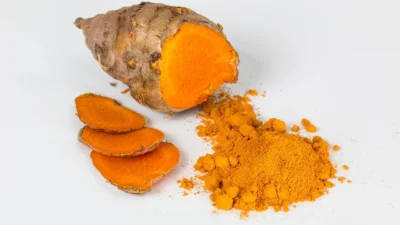
- For Stains: For most stains, the soapy water solution works. For dried food or light scuffs, a paste of baking soda and water applied gently with a soft cloth can help. For stubborn stains like turmeric, a small amount of non-gel toothpaste can be used as a mild abrasive.
- Never Use: Abrasive scouring pads, steel wool, or harsh cleaners like bleach, which can fade the color and damage the protective top layer.
Solid Surface (e.g., Corian, Hi-Macs)
These acrylic-based materials are non-porous and can often have minor scratches sanded out, making them very forgiving.
- Safe Cleaners: Mild dish soap and water, or a dedicated solid surface cleaner.
- For Stains: Most stains wipe away with soapy water. For tougher stains, you can use a soft scrub cleaner or a paste of baking soda and water. For deep stains, the material can often be lightly sanded with very fine grit sandpaper (follow manufacturer instructions).
- Never Use: Avoid acetone or nail polish remover, as they can melt or cloud the surface. Also avoid placing very hot pans directly on it, as it can cause thermal shock.
| Material | Safe Cleaner (Example) | For Stains Use | Never Use |
|---|---|---|---|
| Quartz | Diluted dish soap, isopropyl alcohol | Soapy cloth soak; baking soda paste | Acidic cleaners, excessive heat |
| Granite | pH-neutral stone cleaner | Baking soda poultice for oils | Vinegar, citrus cleaners |
| Marble | Marble-specific cleaner | Commercial poultice powder | ANY acidic substances |
| Laminate | Vinegar/water mix, mild soap | Baking soda paste; non-gel toothpaste | Abrasive pads, undiluted bleach |
| Solid Surface | Mild dish soap & water | Soft scrub; baking soda paste | Acetone, nail polish remover |
Backsplash-Specific Stain Strategies
While your backsplash stain cleaning often uses similar cleaners to the countertop below, the vertical surface and the presence of grout introduce unique challenges. Grease splatters and dried sauce are the most common culprits.
For tile backsplashes (ceramic, porcelain, glass), the tiles themselves are typically very stain-resistant. A solution of warm water and dish soap or a vinegar-water mix (safe on these materials) applied with a soft cloth or sponge will handle most splatters. The real focus for tile backsplash stain guide is the grout. Porous grout lines readily absorb stains and can discolor.
Reviving Grout Lines
- Daily Care: Wipe down the backsplash after cooking to prevent grease from setting into the grout.
- For Stained Grout: Make a thick paste of baking soda and water. Apply it to the grout lines and let it sit for 5-10 minutes. Then, using an old toothbrush or a soft grout brush, scrub gently. The baking soda acts as a mild abrasive and deodorizer. Rinse thoroughly.
- For Tough Grout Stains: A oxygenated bleach paste (like a paste made from powdered oxygen bleach and water) can be effective. Apply, let sit, scrub, and rinse. Always test on a small section first.
If your backsplash is made of natural stone (like a marble or granite slab), follow the care instructions for that specific material from the countertop section above. The same rules about avoiding acids apply.
Common Stain Removal Mistakes to Avoid
Even with the best intentions, it’s easy to make assumptions that lead to damage. Here are the most frequent errors in stain removal by countertop material, so you can steer clear of them.
1. Assuming “Natural” Means Safe for Everything. Vinegar and lemon juice are natural, but they are acidic. Using them on marble, limestone, or even a poorly sealed granite countertop will cause chemical etching—a dull, rough patch that often requires professional polishing to fix.
2. Using Abrasive Tools for Speed. Reaching for a rough scrub pad or powdered cleanser might remove a stain quickly, but it will also leave behind a web of fine scratches that dull the surface’s shine permanently. This is especially damaging on glossy surfaces like quartz or laminate.
3. Letting Paste Cleaners Dry Completely. While poultices (like baking soda paste) are designed to dry to draw out stains, other pastes used for scrubbing should not be left to become a cement-like crust. This can trap residue and make it harder to rinse clean, potentially leaving a film or residue behind.
4. Skipping the Spot Test. Even a recommended cleaner can react differently with a specific dye or finish. Always apply your chosen method to a small, hidden area first (inside a sink cutout, behind an appliance) and wait to see if there’s any discoloration, clouding, or texture change before treating the visible stain.
Confidence in Your Kitchen, One Stain at a Time
Navigating kitchen stains doesn’t require fear, just a simple, two-step process: identify your surface, then apply its specific care method. Your countertops and backsplash are designed to be the durable, beautiful workhorses of your home. With this guide, you have the knowledge to tackle common spills without second-guessing, preserving your investment and keeping your kitchen looking its best. Remember, a well-maintained kitchen is one that’s meant to be lived in and enjoyed, not just admired from a distance.
The single most important rule for safe countertop stain removal is that the material dictates the method. Always identify your surface first. For quartz and laminate, use mild soap or diluted alcohol. For sealed granite, use pH-neutral cleaners and baking soda poultices for oil. For marble, use only stone-specific products and avoid all acids. For all surfaces, rely on soft cloths, avoid abrasive pads, and never let the fear of a stain prevent you from using your kitchen confidently.