You’ve just washed your favorite pillowcases, made the bed with crisp, clean linens, and then it happens. The next morning, you peel your face off the pillow to reveal a fresh, stubborn smear of foundation or a dark mascara smudge. That sinking feeling is all too familiar—it’s not just a stain; it feels like a personal defeat against your nightly skincare routine. But before you resign yourself to a life of decorative throw pillows or assume the stain is permanent, take a breath. The difference between a saved pillowcase and a ruined one almost always happens before it goes into the washing machine. Successfully learning how to remove makeup stains from a pillowcase hinges on a simple, fabric-safe protocol of what to do immediately (and, just as crucially, what to avoid). This guide cuts through the frustration with a clear, actionable playbook for treating those cosmetic stains on bedding the right way, so you can extend the life of your linens without a second thought.
To remove fresh makeup stains from a pillowcase, act quickly: gently blot, apply a dab of liquid dish soap or a pre-treatment paste, let it sit, then rinse with cool water. Avoid rubbing or using hot water, which can set the stain. The core principle is immediate, gentle action with common household items to break down the oils and pigments before they bond permanently to the fabric. Harsh scrubbing or heat from a dryer are your biggest enemies in this pre-laundry phase.
The Golden Rule: Act Fast, Be Gentle

Photo by Alfredo Flores on Pexels
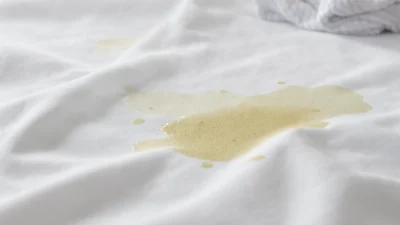
Successfully tackling cosmetic stains on bedding hinges on two principles: speed and a light touch. The moment makeup transfers from your face to the fabric, the clock starts ticking. Foundation, for example, is a blend of oils and pigments designed to adhere to skin; on cotton or linen, those oils begin to sink into the fibers, bonding the pigment in place. Mascara and lipstick contain waxes and dense colorants that behave similarly. Successfully tackling cosmetic stains on
Heat and agitation are your enemies. Vigorous scrubbing grinds the stain deeper into the weave, while hot water from a sink or washer can actually “cook” the oils and proteins, setting them permanently. Your goal in this pre-laundry phase is to gently lift the stain components without locking them in. Think of it as a careful extraction, not a battle.
Your Pre-Laundry Stain Removal Toolkit
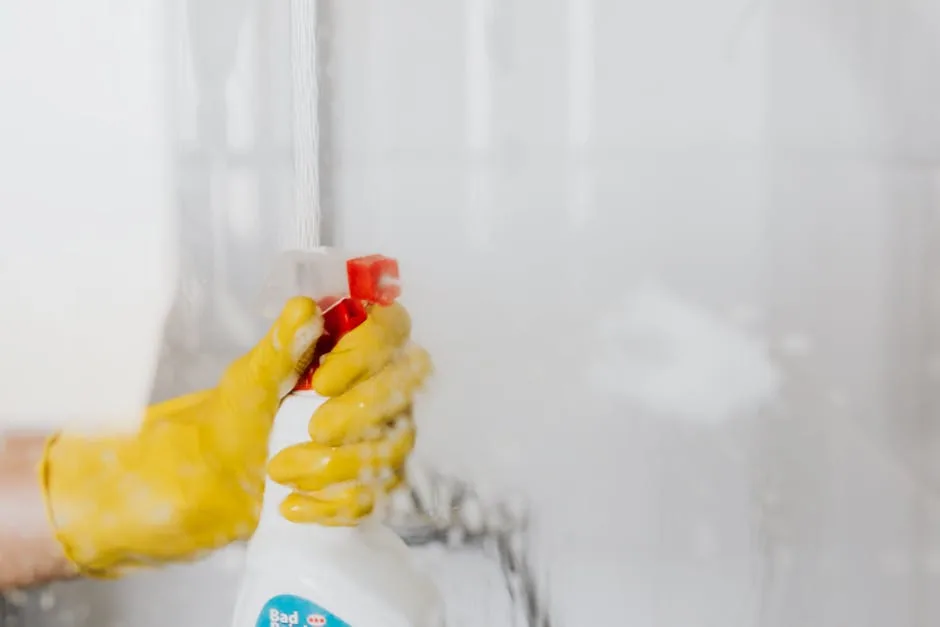
Photo by www.kaboompics.com on Pexels
You don’t need specialty products. An effective kit for foundation stain pillowcase emergencies consists of common household items that tackle the core components of makeup: oils, pigments, and waxes.
Essential Items
- Liquid Dish Soap (like Dawn or similar): The champion for oily stains. Its surfactants are formulated to break down grease and oils without harming fabrics.
- White Distilled Vinegar: A mild acid that helps break down residue and can act as a natural fabric softener and deodorizer after the stain is out.
- Baking Soda: A gentle abrasive and odor neutralizer. Mixed with water into a paste, it can help lift pigment.
- 3% Hydrogen Peroxide: A safe bleaching agent for white and colorfast cottons and linens. Always spot-test first.
Tools of the Trade
- A clean, white cloth or paper towels for blotting.
- A soft-bristled toothbrush or nail brush for gentle agitation.
- Cool or lukewarm water.
The Step-by-Step Protocol for Common Stains
Follow this sequence as soon as you spot the stain. The exact approach varies slightly based on the makeup type, but the foundational steps are the same.
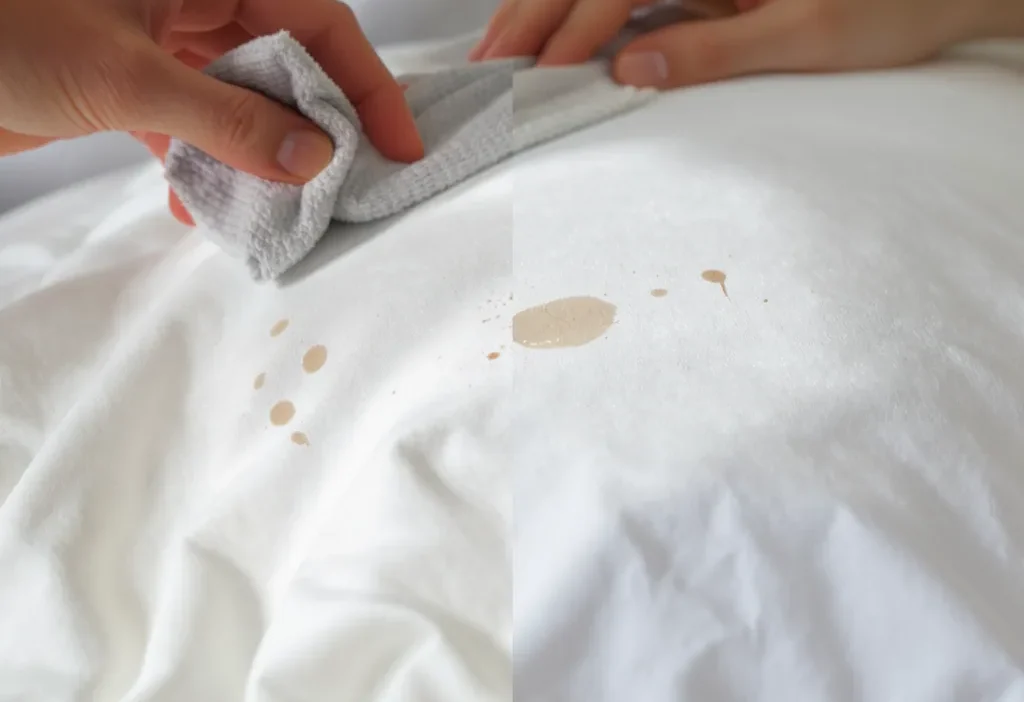
- Blot, Don’t Rub. Use a clean cloth to gently press onto the stain and soak up any excess product. Rubbing spreads it.
- Apply a Pre-Treatment. For fresh, oily stains (foundation, concealer, cream blush), apply a drop of liquid dish soap directly to the stain, gently working it in with your finger. For drier, more pigmented stains (lipstick, powder blush, eyeshadow), make a paste of baking soda and a few drops of water and apply it.
- Let It Dwell. Allow the treatment to sit on the stain for 15-30 minutes. This gives the cleaning agents time to break down the oils and pigments.
- Gently Agitate. Under cool running water, use the soft brush to gently work the fabric together. You should see the stain begin to emulsify and wash away.
- Rinse Thoroughly. Continue rinsing from the back of the stain (pushing it out of the fabric) until the water runs clear and no suds remain.
For Stubborn or Set-In Stains
If a stain has dried or the initial treatment didn’t get it all, create a stronger soak. Mix one part dish soap with two parts hydrogen peroxide (for whites) or white vinegar (for colors). Apply this to the stain, let it sit for up to an hour, then gently brush and rinse with cool water as before. This method is particularly effective for older cosmetic stains on bedding that have already been through a wash cycle.
What Doesn’t Work (And Can Make It Worse)
In your rush to get makeup out of a pillowcase, it’s easy to reach for a familiar but damaging tactic. Avoid these common mistakes that can turn a temporary smudge into a permanent flaw.
Vigorous Scrubbing: This is the number one error. Scrubbing frays fibers and embeds the stain particles deeper, making them nearly impossible to remove later.
Using Hot Water Initially: Hot water sets protein and oil-based stains. Always start with cool or lukewarm water during the pre-treatment and rinse phase.
Applying Undiluted Household Bleach Directly: Chlorine bleach can react with the dyes in makeup (and your bedding) causing permanent yellowing or discoloration. It’s a last resort for whites only, and should be diluted and used in the wash cycle, not spot-treated.
Throwing It in the Dryer: Never put a pillowcase with a lingering stain in the dryer. The heat will permanently set any remaining residue. Air-dry it completely first to check if the stain is truly gone.
Using Harsh Cleaners Like Acetone or Nail Polish Remover: These are solvents designed for hard surfaces and will damage fabric fibers, often dissolving them or leaving a bleached spot.
Keep Your Bedding Pristine (and Your Mornings Stress-Free)
The core takeaway for managing makeup stains on pillowcases is that your immediate, gentle reaction is more powerful than any heavy-duty wash cycle. By acting quickly with the right tools, you can handle most accidents before they become permanent problems.
For true peace of mind, consider a few proactive habits. The most effective is simply washing your face thoroughly before bed. If you’re prone to nighttime skincare application, allow it to absorb fully. Keeping a dedicated, dark-colored pillowcase for “makeup nights” or using a soft towel over your pillow can act as a simple, washable barrier. With this protocol in your back pocket, you can enjoy your beauty routine without fearing for your favorite linens.