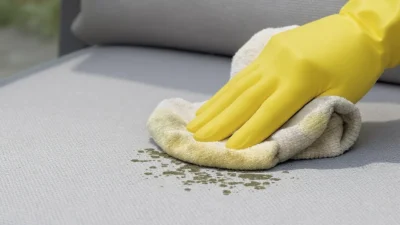
If you’ve ever scrubbed away the gray-green fuzz from your patio cushions only to find it reappearing a few weeks later, you’ve likely fallen for the most common myth in outdoor maintenance: that mold is just a surface stain you can wipe away. The frustrating truth is that those spots are a symptom, not the problem itself. Mold and mildew are living fungi, and when they keep coming back on your cushions, it’s because you’ve cleaned the symptom but not changed the environment that caused it. This guide cuts through the frustration by explaining the simple science of why mold loves your outdoor fabric and, more importantly, how to safely remove mildew stains from patio cushions for good by fixing the conditions that invite it back.
To safely remove mildew stains from patio cushions and prevent their return, you need to kill the spores with a solution like diluted white vinegar or hydrogen peroxide, thoroughly clean the fabric, and, most importantly, address the moisture and lack of airflow that allowed the mold to grow in the first place. Effective patio fabric mildew removal is a two-part process: immediate, gentle cleaning followed by strategic changes to how you store and dry your cushions to break the cycle permanently.
It’s Not Dirt, It’s an Ecosystem: Why Mold Loves Your Cushions
To stop mold from coming back, you first need to understand you’re not just cleaning a stain. You’re disrupting a living colony. Mold and mildew are types of fungi that reproduce via microscopic spores, which are always floating in the air, waiting for the right conditions to settle and grow. Your patio cushions become a target when they provide the perfect trifecta: moisture, food, and a lack of sunlight or airflow.
The fabric and foam inside are often made of organic materials (like cotton, polyester, or polyurethane foam) that the mold can consume. Add in pollen, dirt, and skin cells, and you’ve laid out a full buffet. Patio environments, especially in shaded, humid areas or under eaves where rain drips, provide the constant dampness mold craves. When you stack cushions or tuck them into a tight storage box while they’re still slightly damp, you’ve created a dark, stagnant incubator. This is the core reason your mold on outdoor cushions cleaning efforts fail—you might wipe away the visible growth, but the spores and the ideal growing conditions remain.
The Safer Cleaning Toolkit: What Works (And What to Avoid)
Armed with the knowledge that you need to kill spores, not just wipe them, you can choose cleaners that are both effective and gentler on your fabrics and the environment. Harsh chemicals might seem powerful but often damage materials and don’t solve the root problem.
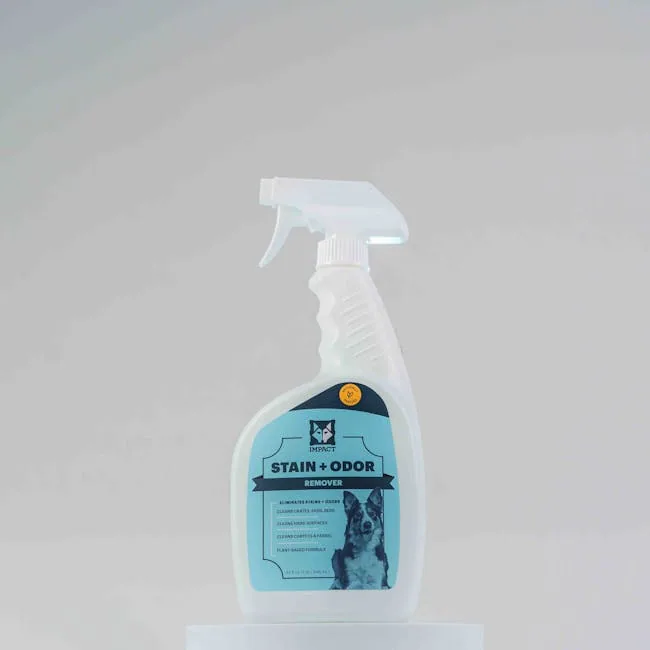
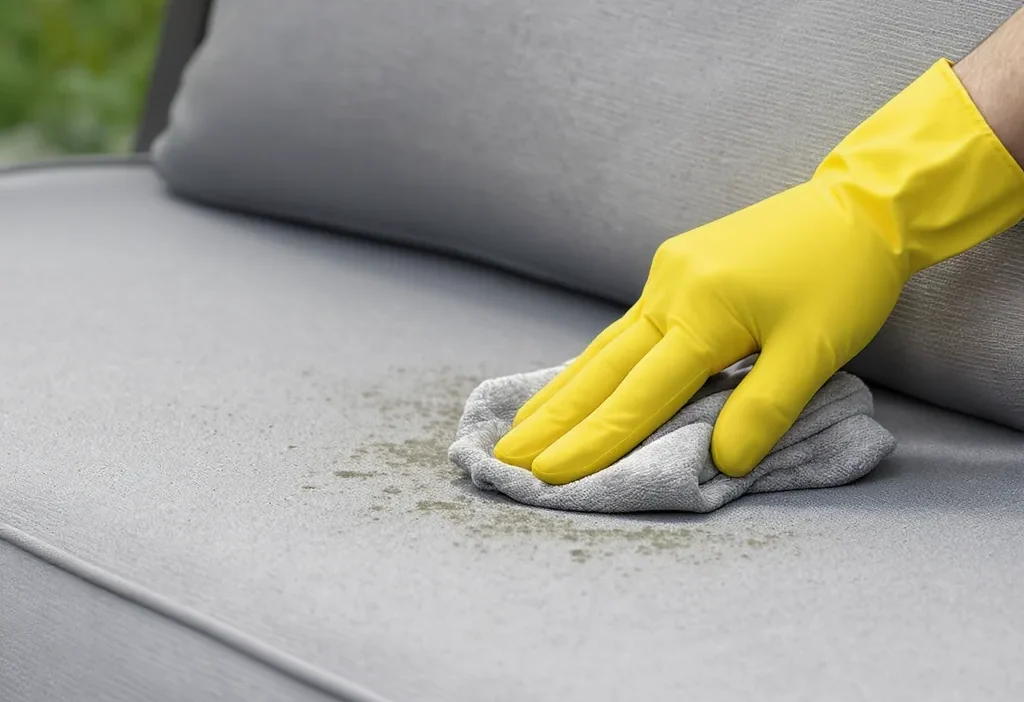
Photo by Impact Dog Crates on Pexels
Your Go-To Safe Cleaners
White Vinegar: A natural acid that kills over 80% of mold species. Mix equal parts white vinegar and water in a spray bottle. It’s excellent for light mildew and deodorizing. The smell dissipates as it dries.
Hydrogen Peroxide (3%): A potent antifungal and bleaching agent. Spray it directly on mildew stains, let it bubble for 10-15 minutes, then scrub. It’s great for patio fabric mildew removal on lighter colors but always test on a hidden area first.
Oxygen Bleach (e.g., OxiClean): Safer than chlorine bleach, it breaks down mildew and organic stains. Dissolve in warm water according to package directions and soak cushions if possible.
The Integrated Cleaning Process
1. Test First: Apply your chosen solution to a small, hidden area of the cushion to check for colorfastness.
2. Apply & Dwell: Liberally spray or apply your cleaner over the affected area. Let it sit for at least 15 minutes to penetrate and kill the spores at their root.
3. Scrub Gently: Use a soft-bristled brush (an old toothbrush works for seams) to agitate the fabric and lift the stain.
4. Rinse Thoroughly: This is critical. Use a hose or damp cloth with clean water to rinse away all cleaner and dead mold residue.
5. Dry Completely: This is the most important step. Dry in direct sunlight, which is a natural disinfectant, and ensure cushions are bone-dry on all sides and inside.
What to Skip
Avoid chlorine bleach. It can weaken fabric fibers, strip colors, and its fumes are harsh. More importantly, bleach often only removes the surface color of the mold without killing the roots deep in the fabric. Also, skip the pressure washer, as its force can drive water and spores deeper into the cushion, making the problem worse.
The Real Fix Isn’t Just Cleaning: How to Break the Cycle
Cleaning addresses the symptom. To cure the disease, you must change the environment. This means adopting habits that systematically deny mold the moisture, darkness, and stillness it needs. Think of it as changing the rules of the game on your patio.
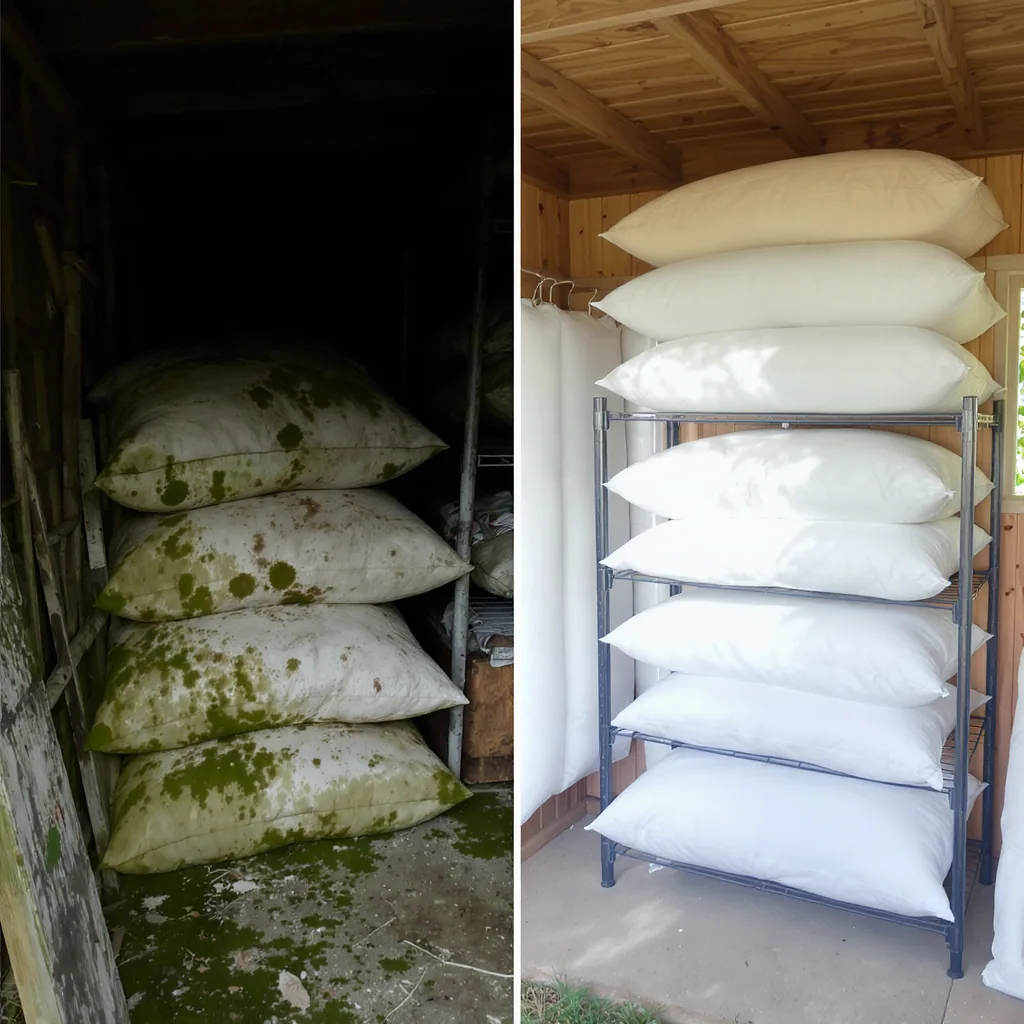
Dos: Create a Hostile Environment for Mold
- DO Dry Cushions After Every Use: If there’s dew, rain, or spills, stand cushions on their edge or bring them into the sun to dry before stacking or storing.
- DO Store Vertically: When putting cushions away, stand them up on a rack or shelf to maximize airflow around every side. This is a game-changer for outdoor fabric mold remediation.
- DO Use Breathable Covers: Opt for storage covers made of canvas or other breathable fabric, not plastic tarps which trap condensation.
- DO Maximize Sun and Air: Regularly rotate cushions to ensure all sides get sunlight. Trim back plants or rearrange furniture to improve airflow around your seating area.
Don’ts: Stop Feeding the Mold
- DON’T Stack Wet Cushions: This is the #1 mistake. It creates a dark, moist pocket between cushions that’s a mold paradise.
- DON’T Use Plastic Tarps for Long-Term Storage: They create a mini-greenhouse, sweating and promoting condensation directly onto the fabric.
- DON’T Ignore the Underside and Seams: Mold often starts here where moisture lingers. Flip and inspect cushions regularly.
- DON’T Store on Damp Surfaces: Ensure your storage shed, garage floor, or deck box is dry. Consider using a moisture-absorbing product like silica gel packets in closed storage areas.
Common Mistakes That Make Mold Come Back Stronger
Even with good intentions, a few common errors can completely undo your hard work. Recognizing these pitfalls is key to lasting success.
Mistake 1: The Surface Scrub. Quickly wiping the visible fuzz away with a damp cloth feels productive, but it leaves the root structure (hyphae) and spores intact within the fabric. This is a temporary fix that guarantees a quick return.
Mistake 2: Relying on Bleach Alone. As mentioned, bleach is a superficial fix. It bleaches the mold so you can’t see it, but doesn’t necessarily kill it all, and it does nothing to change the conditions that caused it. You’re left with a seemingly clean cushion that’s still a mold incubator.
Mistake 3: The “Mostly Dry” Storage. Putting cushions away when they feel “mostly dry” or “just a little damp” is an invitation for disaster. Mold needs very little moisture to activate. Only bone-dry is safe for storage.
Mistake 4: Ignoring the Patio Itself. If your patio or deck stays perpetually damp due to poor drainage, overhanging foliage, or being in deep shade, you’re fighting an uphill battle. Addressing these broader moisture sources is part of the long-term outdoor cushion mold removal solution.
Win the War, Not Just the Battle
The frustration of recurring mold on your patio cushions has a clear source: we often treat it as a cleaning problem when it’s really an environmental one. The most effective strategy pairs immediate, spore-killing cleaning with smart, preventive habits that alter the very ecosystem of your outdoor space.
By shifting your focus from reactive scrubbing to proactive climate control—prioritizing absolute dryness, maximizing airflow, and intelligent storage—you break the cycle for good. This approach empowers you to spend less time cleaning and more time actually enjoying a fresh, mold-free outdoor oasis.