You hear the door slam, the familiar thud of boots, and then you see it: a trail of dark, wet mud tracked right across your favorite rug. Your first instinct is to grab a cloth and start scrubbing—a panic move that, unfortunately, is the single worst thing you can do. That frantic scrubbing grinds the gritty soil and clay particles deep into the rug fibers, turning a simple surface mess into a permanent, ground-in dirt stain. The good news? Removing mud stains from a rug effectively is less about elbow grease and more about patience and a specific, gentle protocol. Whether you’re dealing with fresh, wet footprints or crusty, dried mud from yesterday’s adventure, the right sequence of actions can lift the stain completely without damaging your rug. This guide cuts through the panic with a clear, step-by-step playbook for both scenarios, ensuring you clean up the mess, not create a bigger one.
The best way to remove mud stains from a rug is to first let it dry completely, then vacuum up the loose dirt. For the remaining stain, gently blot (don’t scrub) with a solution of mild dish soap and cool water. This “dry, vacuum, blot” method prevents you from grinding the abrasive particles deeper into the fibers, which is the main cause of a permanent stain. Always work from the outside of the stain inward and rinse by blotting with a clean, damp cloth to remove any soapy residue.
Stop! Don’t Touch That Mud Yet (The Golden Rule)
Your first instinct is the enemy here. When you see a fresh, wet mud stain on your rug, the overwhelming urge is to grab a wet cloth and start scrubbing. This is exactly what grinds the mud in. That gritty dirt isn’t just on the surface; it’s a mixture of fine particles and water. Scrubbing acts like sandpaper, working those abrasive particles deeper into the rug fibers and backing, making the dirt stain carpet cleaning job ten times harder and potentially causing permanent damage.
The core principle for successful mud stain removal rug is counterintuitive: patience. You must let the mud change state. Whether it’s wet or already dry dictates your entire protocol. Rushing in with liquids on a wet stain creates a muddy slurry that soaks in. Acting on a dry stain without the right prep just breaks up the dirt on the surface. Take a breath. Your next move is a deliberate choice, not a panic reaction.
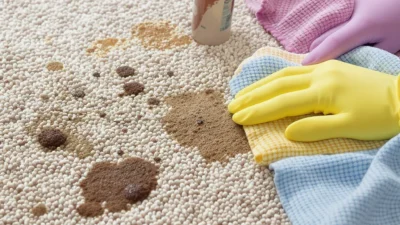
Photo by Nothing Ahead on Pexels
Your Step-by-Step Cleanup Protocol
Follow this sequential guide based on the state of the mud. Your success in how to clean mud from rug depends entirely on starting with the correct scenario.
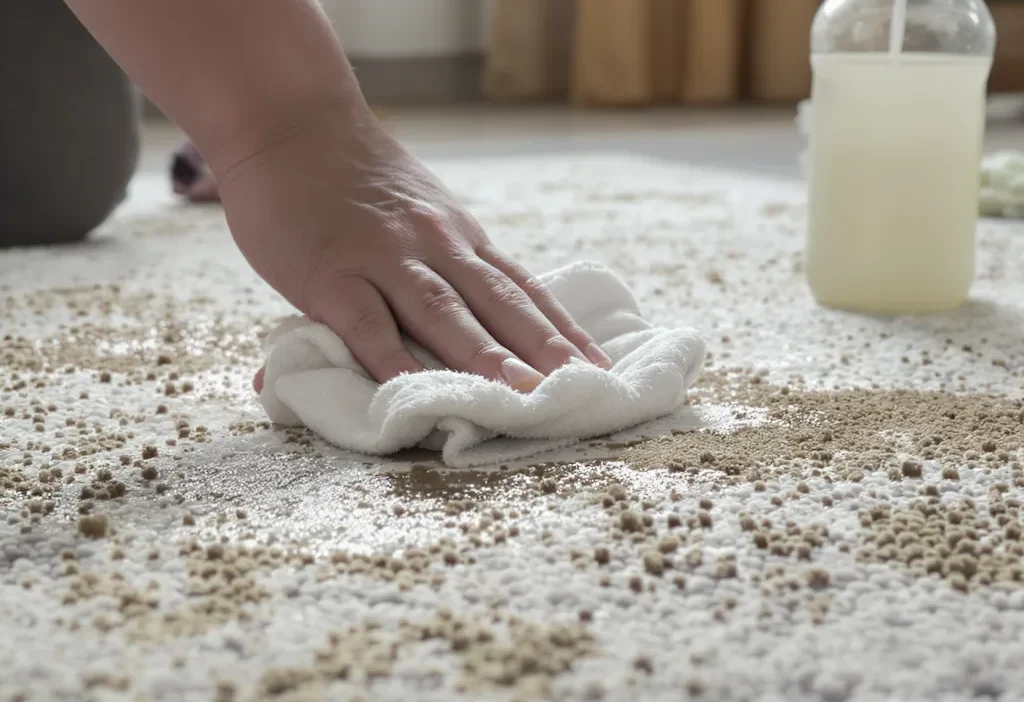
Photo by Impact Dog Crates on Pexels
Scenario 1: The Mud is Already Dry
This is the easier path. Your goal is to remove the bulk of the dirt mechanically before introducing any moisture.
- Let it Be: If there’s any dampness at all, let the mud dry completely. Cracking a window or using a fan can speed this up.
- Vacuum Thoroughly: Use the upholstery or bare floor setting on your vacuum (no beater bar). Gently vacuum the area to suck up all the loose, dried dirt. Go over it several times from different directions. This step alone can solve a light dried mud rug cleanup.
- Treat the Stain: Mix a solution of 1 teaspoon of clear, mild dish soap (like Dawn) with 2 cups of cool water. Dampen a clean, white cloth with the solution—do not pour it on the rug. Blot the stain from the outside in, pressing firmly to lift the remaining dirt. Never scrub.
- Rinse and Dry: Dampen a second clean cloth with plain cool water and blot the area to rinse out soap residue. Press dry with a towel. Allow the spot to air dry completely.
Scenario 2: The Mud is Still Wet
Here, you need to remove the mass without spreading it. Speed is helpful, but precision is critical.
- Scrape Gently: Use a dull knife, a spoon, or a stiff piece of cardboard to gently scrape up the bulk of the wet mud. Lift it off, don’t smear it. Work from the edges toward the center.
- Blot, Don’t Rub: Place a stack of clean, dry paper towels or a white cloth over the damp spot. Press down firmly with your hand or a book to absorb as much moisture and fine dirt as possible. Replace the towels as they become soiled.
- Apply Cleaning Solution: Once no more mud is transferring, use the same mild soap solution from Scenario 1. Dampen a cloth and blot the remaining stain. For how to clean muddy footprints, this blotting action is key to lifting the stain from the fibers.
- Final Rinse and Dry: Rinse by blotting with a water-dampened cloth. Press dry with a clean towel. Ensure the area dries fully to prevent mildew.
Common Mistakes That Ruin Rugs
Even with good intentions, it’s easy to make a dirt stain carpet cleaning job worse. Avoid these pitfalls to protect your rug.
- Using Hot Water: Hot water can set protein-based stains (like mud, which often contains organic matter) and can damage some rug dyes and backings. Always use cool or lukewarm water.
- Scrubbing Vigorously: We can’t say it enough. Scrubbing is the number one reason a simple mud track becomes a permanent, ground-in stain. It frays fibers and drives dirt deeper.
- Reaching for Harsh Chemicals: Avoid bleach, ammonia, or all-purpose cleaners not designed for carpets. They can strip color, weaken fibers, and leave a damaging residue that attracts more dirt.
- Over-Wetting the Rug: Soaking the spot can cause the stain to wick into a larger area and saturate the rug pad underneath, leading to mold, mildew, and delamination.
- Skipping the Spot Test: Always test your cleaning solution on a hidden corner of the rug first (like underneath furniture) to check for colorfastness. Wait for it to dry completely to see the true result.
What If the Stain Persists? (Next-Level Tactics)
If you’ve followed the protocol and a faint shadow or discoloration remains, don’t despair. Some stains, especially older or deeply ground-in ones, need a second pass. Here are safe, rug-friendly next steps.
For mineral or soap residue left behind, a diluted white vinegar solution can help. Mix one part white vinegar with three parts cool water. Blot the area with this solution (after testing!), then blot with plain water to rinse. The vinegar helps break down the residue without harming most fibers.
If the mud contained a lot of organic material (like from a garden or a dog park), an enzymatic cleaner may be necessary. These cleaners use natural bacteria to break down organic matter at a molecular level. They are particularly effective for dried mud removal carpet issues that involve biological elements. Choose a product designed for carpets and follow the label instructions precisely.
For all these tactics, the rule remains: blot, don’t scrub, and ensure the area dries completely. If the stain still won’t budge, it may be time to consult a professional carpet cleaner who has stronger, targeted solutions for stubborn stains.
Keep Your Rugs Clean and Mud-Free
Successfully learning how to get mud out of carpet boils down to a simple mantra: dry, vacuum, blot. Resisting the initial panic and following the right protocol for your mud’s state prevents a minor mishap from becoming a permanent eyesore.
The best rug mud cleanup is the one you avoid altogether. A great preventive strategy is your best defense. Place high-quality, absorbent doormats at every entrance—one outside and one inside. Institute a “shoes-off” policy, especially on rainy days. For kids and pets, keep old towels by the door for a quick wipe-down before they barrel inside. A little planning saves you from the scramble and protects your rugs for years to come.