That dark, greasy blotch on your driveway is more than just an eyesore; it feels like a permanent badge of automotive neglect. Whether it’s a fresh drip from an oil change or a stubborn, weathered spot from a leaky engine, the sight can be frustrating. You’ve probably heard a dozen home remedies and conflicting advice, leaving you wondering what will actually work without damaging your concrete. The good news is that most oil stains, even old ones, can be significantly improved or removed entirely with the right approach. This guide cuts through the noise, separating proven, effective methods for how to clean oil from concrete from the common mistakes that can make the problem worse, so you can tackle that engine oil spot cleanup with confidence.
To remove an oil stain from concrete, first absorb any fresh oil with cat litter or baking soda. Then, apply a dedicated concrete degreaser or a strong dish soap solution, scrub with a stiff brush, and rinse thoroughly. For old stains, a poultice or commercial oil eater may be necessary. The key is acting quickly and matching the cleaner to the stain’s age.
Your Immediate Action Checklist (For Fresh Stains)
Speed is your greatest ally. The moment you see a fresh oil spot on your driveway, follow this protocol to prevent it from becoming a permanent blemish. The goal is to absorb as much oil as possible before it soaks deep into the concrete’s porous surface.
Photo by www.kaboompics.com on Pexels
- Contain and Cover: If the spill is still wet, quickly surround it with an absorbent barrier like sand or more absorbent to prevent spreading. Then, pour a generous amount of a dry, absorbent material directly onto the spill. Clay-based cat litter is the classic choice, but baking soda, cornstarch, or commercial oil-absorbent powders also work well.
- Let It Soak: Don’t scrub! Let the absorbent material sit on the spill for at least several hours, or ideally overnight. For a significant leak, you may need to replace the saturated material with a fresh batch.
- Sweep and Assess: Once the material has turned into a dark, clumpy paste, sweep it up carefully and dispose of it properly. You’ll likely see a significant improvement, but a faint stain often remains. This is where the real cleaning begins.
- Prep for Cleaning: Sweep the area completely free of debris. If you’re ready to clean immediately, you can move to the next section. For the best engine oil spot cleanup, acting within the first 24-48 hours dramatically increases your chances of total removal.
Proven Cleaners That Actually Work
With the bulk of the oil absorbed, it’s time to attack the residue. Your choice of cleaner depends on the stain’s severity. Here’s what truly works, from simple household solutions to heavy-duty options.
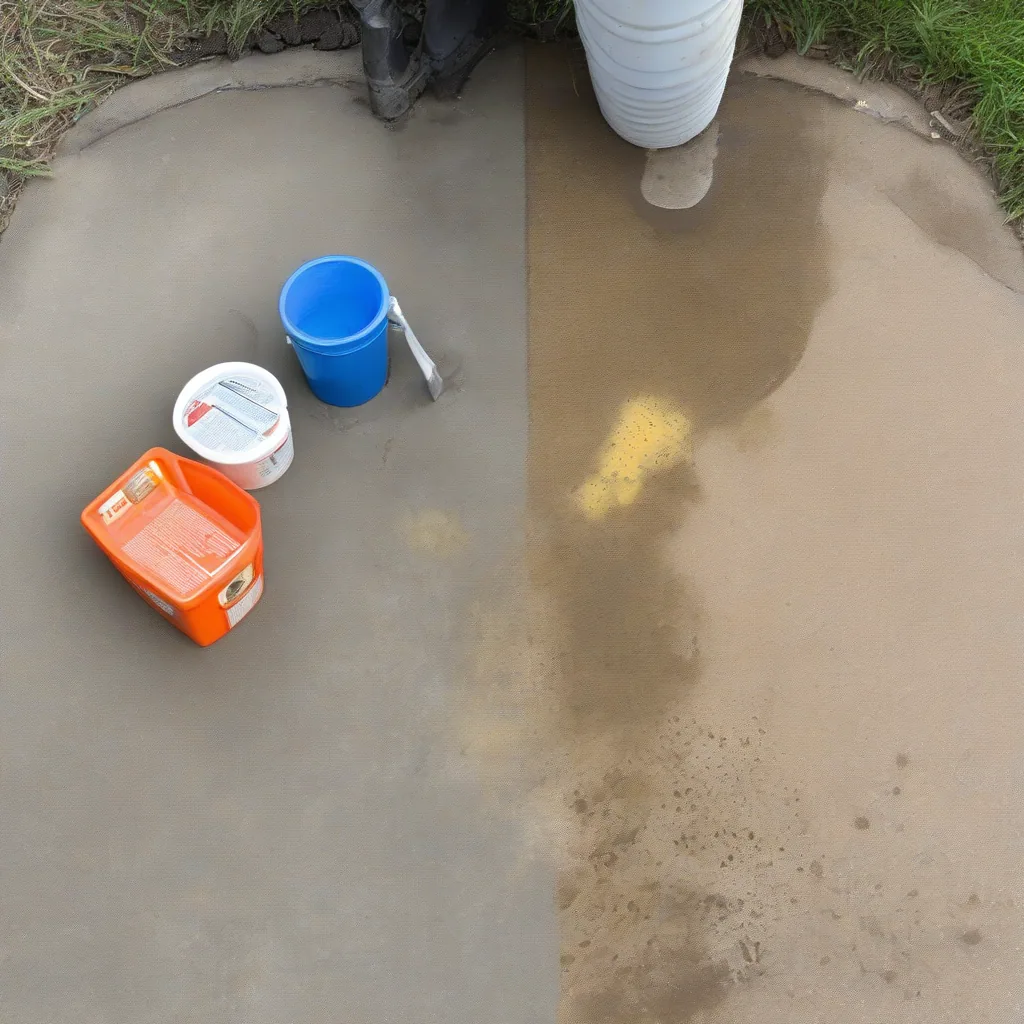
Household Solutions (For Light, Fresh Stains)
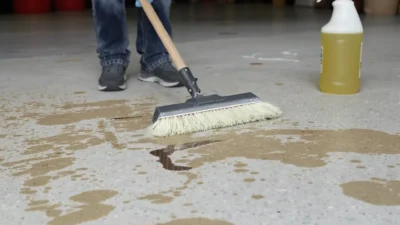
Dish Soap & Hot Water: A concentrated solution of a grease-cutting dish soap (like Dawn) and very hot water is excellent for light stains. The surfactants break down the oil, and the heat helps keep it in solution. Scrub vigorously with a stiff-bristled brush. This is a perfect first attempt for a minor garage concrete oil stain remover task.
TSP Substitute (Trisodium Phosphate Alternative): Available at hardware stores, these phosphate-free cleaners are powerful degreasers safe for concrete. Follow the dilution instructions on the container, apply, let it dwell, and scrub. Always wear gloves and eye protection.
Commercial-Grade Solutions (For Moderate to Set-In Stains)
Dedicated Concrete Degreasers: Products specifically formulated to remove oil stains from concrete driveway surfaces are your best bet. They are designed to penetrate pores and emulsify oil. Brands like Oil Eater, Simple Green, or Zep are widely available. Apply, let it soak for 10-20 minutes (don’t let it dry), then scrub and rinse.
Enzymatic Cleaners: These biological cleaners use bacteria and enzymes to literally digest the oil molecules. They work slowly (often over 24-48 hours) but are highly effective for organic stains and are eco-friendly. They are ideal for old, set-in stains where you have the patience for a multi-day treatment.
Tackling Stubborn, Set-In Stains
If the stain has been there for months or years, surface cleaning might not be enough. The oil has migrated deeper. This calls for methods that pull the stain out, not just scrub the top.
The Poultice Method (The Most Effective DIY Technique)
A poultice acts like a drawing salve for your concrete. You create a thick paste of an absorbent powder and a degreasing solvent, spread it over the stain, and cover it. As it dries, it wicks the oil up and out of the pores.
- Mix: Combine clay cat litter (finely powdered) or fullers earth with a concrete degreaser or even acetone (in a well-ventilated area) to make a thick peanut-butter-like paste.
- Apply: Spread the paste about 1/4 to 1/2 inch thick over the stain, extending an inch beyond its edges.
- Cover & Wait: Cover with plastic wrap to slow drying. Let it sit for 24-48 hours.
- Remove: Scrape off the dried, stained poultice. You may need to repeat the process 2-3 times for very dark stains.
Pressure Washing (Use With Caution)
A pressure washer can be effective, but only after applying a degreaser. Use a low-pressure tip (25-40 degree) and keep the nozzle moving. High pressure can etch the concrete surface, creating marks that are more noticeable than the original stain. It’s a tool for rinsing, not blasting.
Last-Resort Options
Oven Cleaner or Muriatic Acid: Some DIY guides suggest these. We advise extreme caution. Oven cleaner (lye) can damage concrete finishes and is hazardous. Muriatic acid does not break down oil; it etches the concrete, which can lighten the stained area but also damage the surrounding surface, creating a “clean” spot that looks different. If you go this route, spot-test in an inconspicuous area, use full protective gear (gloves, goggles, respirator), and neutralize the area afterward.
Common Mistakes That Make Stains Worse
In the rush to fix the problem, it’s easy to reach for the wrong solution. Avoid these common errors that can set the stain permanently or damage your driveway.
- Using Gasoline or Solvent to “Cut” the Oil: Pouring gasoline, mineral spirits, or brake cleaner on the stain will dissolve the oil… and then drive it deeper into the concrete as the thinner liquid is absorbed. You’ll spread the stain and make it much harder to remove.
- Scrubbing a Fresh Spill: As mentioned in the checklist, scrubbing a fresh, wet spill spreads the oil over a larger area, increasing the size of the stain. Always absorb first.
- Using Bleach: Bleach is a disinfectant and whitener, not a degreaser. It does nothing to break down petroleum-based oils and can harm surrounding landscaping when rinsed away.
- Using a Wire Brush on Delicate Concrete: A stiff nylon brush is usually sufficient. A steel wire brush can scratch and scour finished or stamped concrete, leaving permanent marks.
- Rinsing Chemicals into Landscaping: Always contain runoff when using strong degreasers or acids. These chemicals can kill grass, plants, and beneficial soil biology. Rinse into a sewer cleanout or contain with absorbent materials.
You Can Reclaim Your Driveway
An oil stain doesn’t have to be a permanent eyesore. The key is matching the method to the stain’s age: act fast with absorbents for new spills, use the right degreaser for moderate stains, and don’t be afraid to use a poultice for deep-set marks. While a shadow of a very old stain might remain, following these proven steps will significantly improve—and often completely eliminate—the problem. Start with the simplest, safest method and work your way up. Your clean driveway is within reach.