That stubborn orange ring in your tub or sink isn’t just an eyesore; it’s a tiny chemical battlefield where using the wrong weapon can cause permanent damage. The most common mistake people make when trying to remove rust stains from a bathtub is treating all surfaces the same. The truth is, the only effective and safe approach is entirely dependent on whether your fixture is made of durable porcelain or softer acrylic. This guide cuts through the clutter of home cleaning myths to explain the simple science behind rust and provides you with two distinct, material-specific protocols—so you can banish the stain without etching, scratching, or dulling your surfaces for good.
The best way to remove rust stains from a bathtub depends entirely on whether it’s porcelain or acrylic. For porcelain, use a mild acid like lemon juice or a commercial rust remover. For acrylic, avoid abrasives and harsh acids; use a paste of baking soda and water or a gentle, non-abrasive cleaner. Always test in an inconspicuous area first.
The Chemistry of a Rust Stain: Why It’s Stubborn
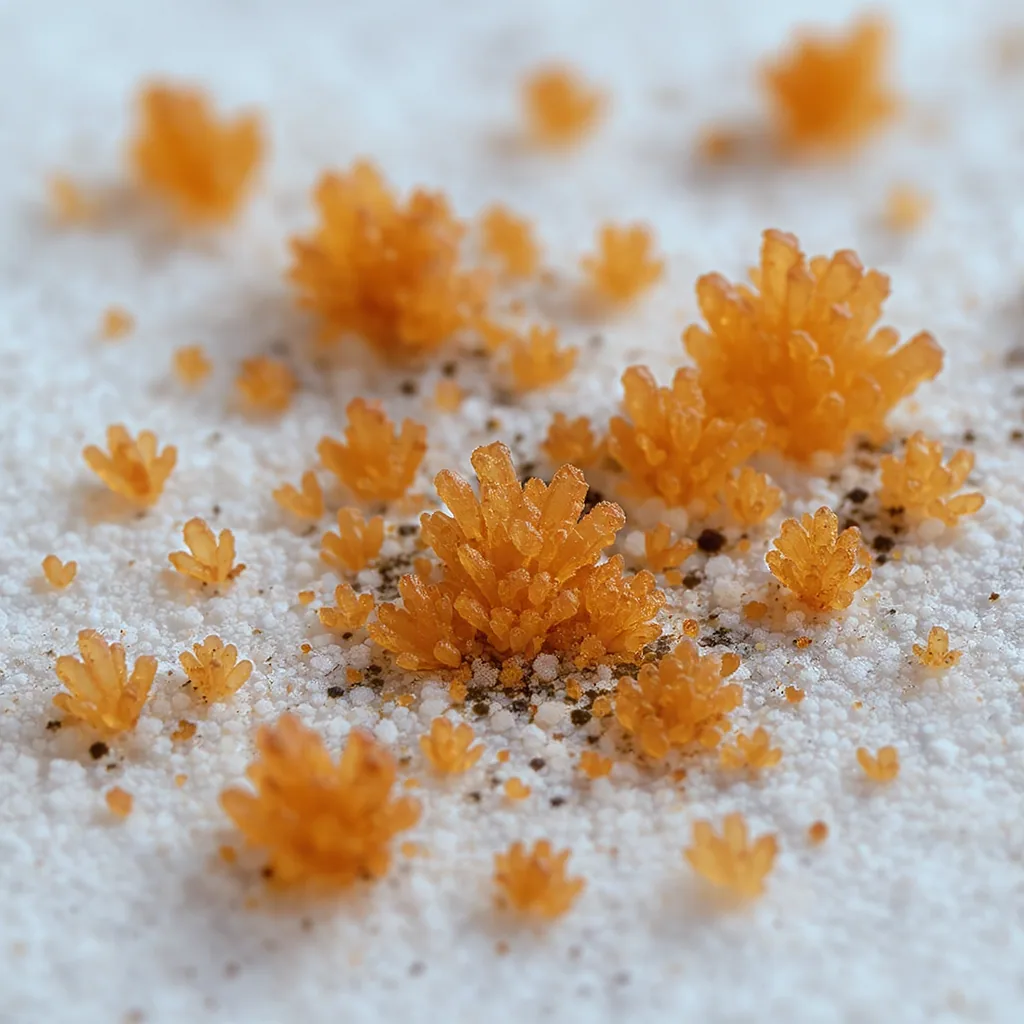
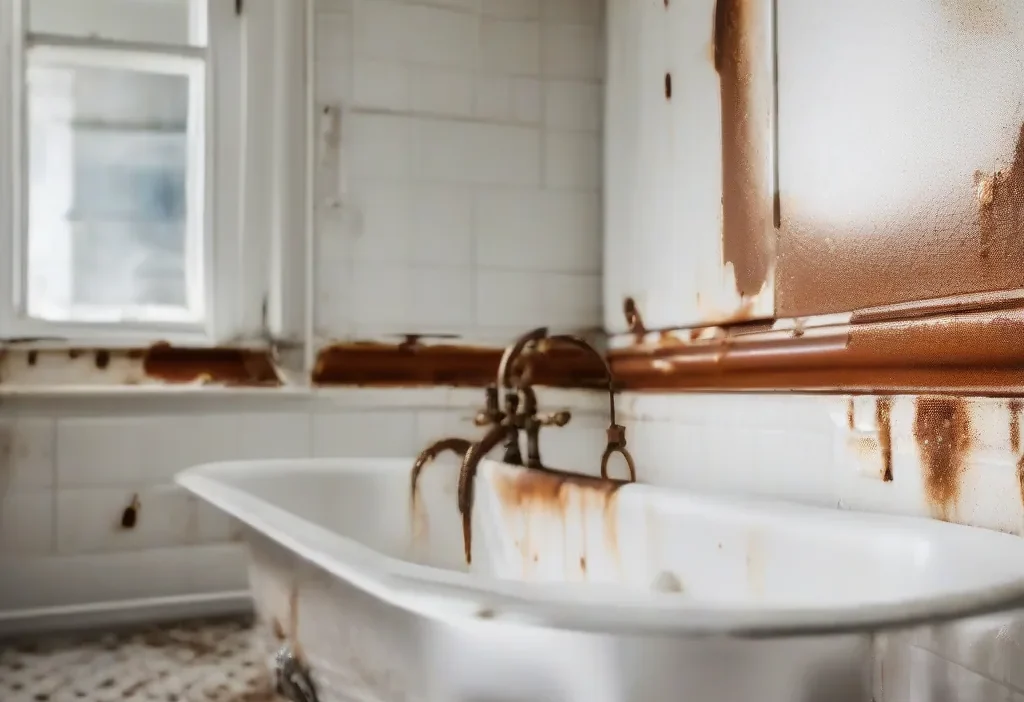
Those unsightly orange-brown marks aren’t just dirt. They’re the result of a chemical reaction called oxidation, where iron molecules from your water supply or a forgotten metal can meet oxygen and moisture. The result is iron oxide—rust—which forms microscopic crystals that bond tenaciously to surfaces.
This is why a simple wipe with soap often fails. The stain has chemically formed on, and sometimes slightly into, the surface layer. The key to effective rust stain sink cleaning or bathtub cleaning lies in breaking this bond without damaging the underlying material. Porcelain’s hard, glass-like glaze and acrylic’s softer, more porous plastic require completely different approaches to do this safely.
Porcelain Protocol: Using Mild Acids Safely

Photo by Hilal Bülbül on Pexels
Porcelain enamel is fired at extremely high temperatures, creating a non-porous, glass-like surface that is highly resistant to mild acids. This durability is your best friend when you need to remove rust stains from bathtub surfaces made of this material. The acid works to dissolve the iron oxide, loosening its grip so it can be wiped away.
Natural Acid Options
For light to moderate stains, household items can be remarkably effective. Saturate a paper towel or cloth with white vinegar or lemon juice and press it directly onto the stain. Let it sit for at least 30 minutes, or even overnight for tough stains. The acid needs time to work. Afterward, scrub gently with a non-abrasive sponge or an old toothbrush and rinse thoroughly.
Commercial Rust Removers
For persistent rust stains in bathtub fixtures, a dedicated porcelain tub rust remover containing oxalic or phosphoric acid is a powerful option. Always follow the product’s instructions precisely. Typically, you apply the gel or liquid, wait 5-10 minutes, then rinse completely. Wear gloves and ensure the room is well-ventilated. While porcelain is tough, avoid abrasive tools like steel wool or pumice stones on the glazed surface, as they can create microscopic scratches that attract future stains.
Acrylic Protocol: Gentle is the Only Way
Acrylic and fiberglass surfaces are a different story. They are softer, more porous, and can be scratched or clouded by harsh chemicals and abrasives. Your goal here is gentle persuasion, not chemical warfare. Strong acids can etch the surface, and scrubbing pads will leave permanent swirl marks.
The Baking Soda Paste Method
This is often the safest first line of defense for acrylic tub rust removal. Make a thick paste of baking soda and water. Apply it to the stain and let it sit for 15-20 minutes. The mild abrasive and alkaline nature of baking soda can help lift the stain. Gently rub with a soft, damp cloth or your fingers (no scrubbers!) in a circular motion, then rinse. You may need to repeat this process.
Specialized Cleaners
If the paste doesn’t work, seek out a non-abrasive, pH-neutral cleaner designed for acrylic or RV surfaces. Spray or apply it as directed, using only a soft microfiber cloth for wiping. Before using any new product on the entire stain, the golden rule for how to get rust out of sink or tub made of acrylic is to test it in an inconspicuous area, like near the drain or on the backside of the apron, to check for discoloration or damage.
Common Mistakes That Ruin Bathtubs and Sinks
In the rush to clean rust from porcelain or acrylic, well-intentioned efforts can cause permanent damage. Here are the critical pitfalls to avoid.
Don’t use chlorine bleach. Bleach does not dissolve rust. In fact, it can oxidize the iron further, potentially setting the stain and making it harder to remove.
Don’t use abrasive scrubbers on any surface. Steel wool, harsh scouring pads, and even abrasive cleansers will scratch acrylic irrevocably and can dull the glossy finish of porcelain over time.
Don’t use toilet bowl cleaner or other harsh acids on acrylic. These products are formulated for porcelain toilets and will chemically damage the softer acrylic surface.
Do not mix cleaning chemicals. Combining products (like vinegar and bleach) can produce toxic fumes.
Do always test first. Whether it’s a commercial rust stain cleaner or a homemade solution, test it on a small, hidden area and wait to see the result.
Your Next Step: Identify, Then Act
Successfully tackling bathtub rust spots or sink rust marks isn’t about finding a single miracle cleaner. It’s a two-step process: first, correctly identify your fixture’s material, then follow the corresponding protocol with patience. Porcelain rewards you with more aggressive, acid-based options. Acrylic demands a gentle, non-abrasive touch.
By matching the method to the material, you can eliminate the stain without creating a far more expensive problem—a damaged surface. Start with the gentlest option, test diligently, and you’ll restore your bathroom’s sparkle safely.