You walk into your garage and there it is—a stubborn, ugly rust stain blooming on the concrete floor. It might have dripped from a forgotten toolbox, leached from a metal shelf leg, or come from a car part you were working on. That reddish-brown blemish isn’t just an eyesore; it feels like a permanent mark on your clean space. The good news is, you’re not stuck with it. Successfully learning how to remove rust stains from a concrete garage floor comes down to a simple but critical choice: do you treat and clean the concrete itself, or do you cover it with a durable coating? This guide cuts through the confusion, helping you diagnose your specific stain and choose the most effective, lasting solution.
The best way to remove rust stains from a concrete garage floor is to first assess the stain’s severity and the concrete’s condition. For fresh or light stains, a chemical rust remover or a DIY acid solution (like citric acid or oxalic acid) applied, scrubbed, and rinsed is often effective. For deep, old stains or damaged concrete, mechanical methods like grinding may be needed before deciding between a thorough clean or applying a protective coating like epoxy or polyurea.
Why Rust Stains Happen on Concrete (And Why They’re Stubborn)
To effectively tackle a rust stain on driveway concrete, it helps to know your enemy. Concrete is naturally porous, acting like a hard sponge. When a piece of iron or steel—like a lawn chair leg, toolbox, or old car part—sits on a damp surface, it begins to oxidize. This oxidation creates iron oxide, or rust, which is then drawn into the concrete’s tiny pores by moisture. It’s not just sitting on top; it’s staining from within. This is why a simple scrub with soap often fails. The porous nature of the material makes rust stains on concrete particularly tenacious, requiring a treatment that can penetrate and react with the iron oxide.
Diagnosing Your Stain: Light Surface Rust vs. Deep Penetration
Not all rust stains are created equal. A quick diagnosis will save you time and effort by pointing you toward the right solution. Start with a visual inspection and a simple physical test.
Light Surface Rust: These stains are typically a bright orange or reddish-brown color and may have a slightly powdery texture. They often appear after a metal object has been sitting on a wet surface for a short time. You can perform a “scratch test” with a putty knife or a coin. If the stain scrapes off easily, leaving relatively clean concrete underneath, you’re likely dealing with a surface issue.
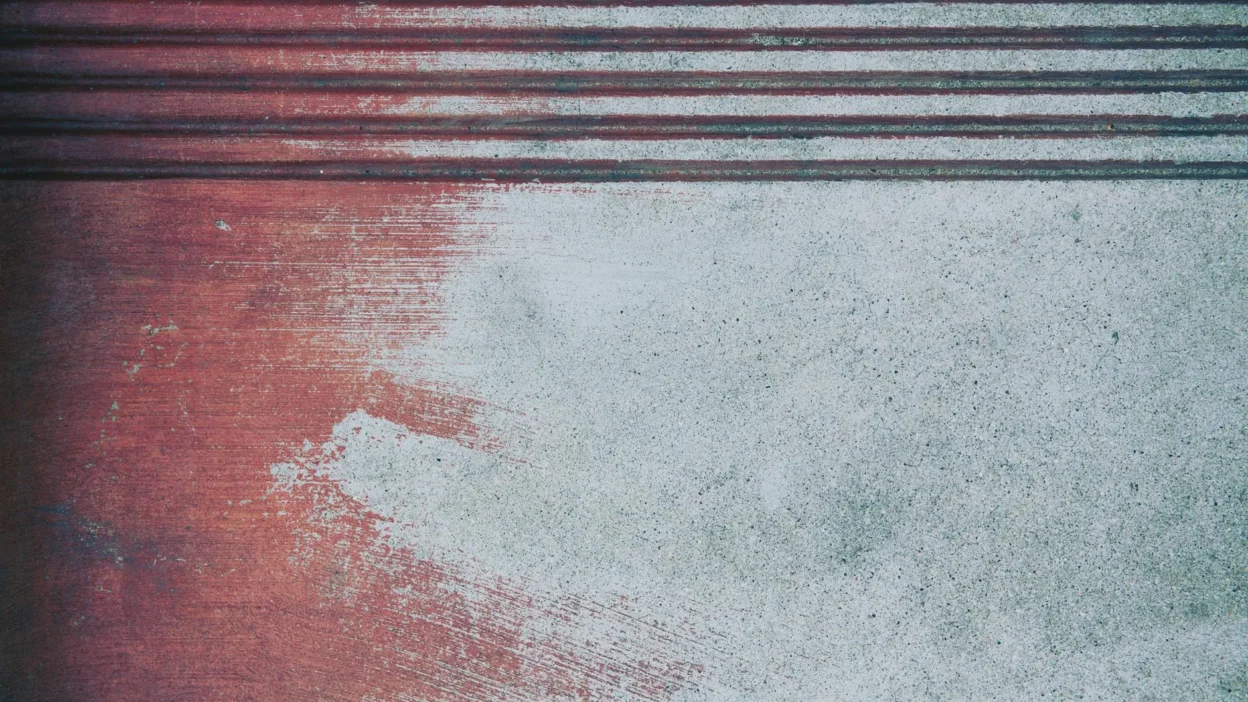
Deep Penetration: Older, neglected stains often turn a dark red, brown, or even black. They feel more textured and integrated with the concrete surface. The scratch test will reveal that the discoloration goes deep into the pores. Also, inspect the concrete itself. Are there cracks, chips, or areas where the surface is flaking (spalling)? Existing damage often goes hand-in-hand with deep staining and can influence your repair strategy.
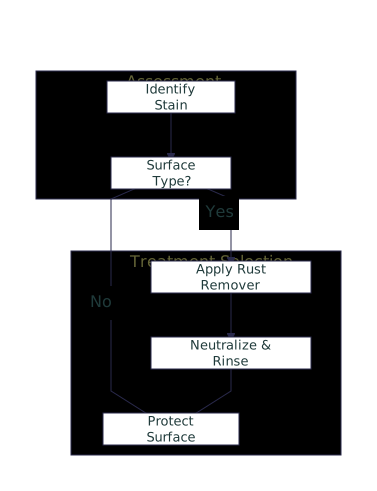
This diagnostic guide is for educational purposes to help you assess your situation; it is not a substitute for a professional inspection if you have significant structural concerns.
Method 1: Treating the Concrete (Cleaning & Removing Rust)
This method is for removing the stain itself, restoring the original concrete look. It’s the go-to approach for light to moderate stains on sound concrete. Your best garage floor rust cleaner will be a chemical remover designed to dissolve iron oxide.
Step-by-Step Removal Process
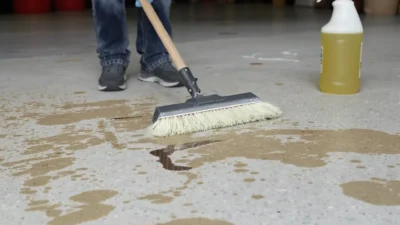
First, clear the area and sweep thoroughly. Always put on safety goggles, chemical-resistant gloves, and ensure good ventilation. For a targeted rust stain removal concrete project, you have two main options:
- Commercial Rust Removers: These are often phosphoric or oxalic acid-based gels or liquids. They cling to vertical surfaces and penetrate pores. Apply as directed, let it dwell (usually 10-30 minutes until the rust color changes), then scrub with a stiff brush and rinse thoroughly with water.
- DIY Acid Solutions: For a milder approach, you can use citric acid (mixed with water to a paste) or oxalic acid crystals (dissolved in water). These are effective for lighter stains. Apply, scrub, and rinse well. Never use chlorine bleach, as it can react with the iron and actually set the stain.

Photo by Ron Lach on Pexels
For very stubborn, deep-set stains, a mechanical step may be necessary after chemical treatment. Lightly sanding or using a concrete grinding wheel on a hand grinder can remove the last vestiges of discoloration. After any treatment, let the concrete dry completely for at least 24-48 hours before considering a sealer or coating.
Method 2: Applying a Coating (Epoxy, Polyurea, Paint)
When cleaning isn’t enough, or you want a transformed, protected floor, applying a coating is your alternative. This doesn’t remove the stain but creates a durable, impermeable barrier over it. This is ideal for floors with deep, untreatable stains, widespread damage, or when you desire a specific aesthetic.
Comparing Your Coating Options
The key is choosing a coating that bonds properly and withstands garage conditions.
- Epoxy Coatings: The most common DIY option. They provide a thick, glossy, and highly chemical-resistant finish. However, they can be sensitive to moisture and temperature during application and may yellow with UV exposure. Proper surface prep (including etching) is non-negotiable.
- Polyurea/Polyaspartic Coatings: A professional-grade favorite that’s gaining DIY traction. These cure much faster than epoxy, are more flexible (resisting cracks), and have superior UV stability. They are often more expensive but are extremely durable.
- Concrete Paints & Sealers: Acrylic or latex-based paints are a budget-friendly option for light-duty garages. They offer minimal build thickness and are less durable than epoxy or polyurea. A high-quality concrete sealer can protect a cleaned floor but won’t hide stains.
Critical reminder: A coating is only as good as the preparation. Any active moisture, oil, or untreated rust underneath will cause the coating to bubble, peel, and fail.
How to Choose: Treat vs. Coat? A Simple Decision Guide
Now that you understand both paths, here’s a straightforward framework to decide how to remove rust stains from your concrete garage floor.
Choose TREATMENT (Clean & Remove) if:
- The stain is light or moderate and passes the “scratch test.”
- The underlying concrete is in good condition with no major cracks or spalling.
- You prefer the natural, industrial look of bare concrete.
- Your budget is limited to cleaning supplies.
- The stain is isolated and not covering most of the floor.
Choose a COATING (Epoxy, Polyurea, etc.) if:
- The stain is deep, dark, and won’t budge with chemical cleaners.
- The concrete has multiple stains, old oil spots, or minor surface damage.
- You want a seamless, easy-to-clean, and upgraded appearance.
- You need maximum durability against chemicals, impacts, and tire traffic.
- You are willing to invest more time and money in a long-term solution.
Often, the best approach is a hybrid: treat any severe rust spots mechanically or chemically first, then apply a coating over the entire, prepared surface for a uniform, protected finish.
Common Mistakes to Avoid
Knowing what not to do is just as important as knowing the right steps. Avoid these pitfalls for a successful project.
- Using Chlorine Bleach: This is a critical error. Bleach does not dissolve rust and can cause a chemical reaction that permanently sets the iron oxide stain into the concrete.
- Skipping Personal Protective Equipment (PPE): Acid-based rust removers can burn skin and damage eyes. Always wear gloves, goggles, and work in a well-ventilated space.
- Applying a Coating Over Problems: Never coat over moisture, dust, oil, or untreated rust. The coating will fail. Proper surface preparation—cleaning, etching, and drying—is mandatory for adhesion.
- Over-Wetting the Concrete: During cleaning, excessive water can drive stains deeper. Use a damp mop for final rinses and allow ample drying time (at least 24-48 hours) before sealing or coating.
Taking Back Your Garage Floor
Rust stains on your garage floor are a common nuisance, but they don’t have to be a permanent eyesore. The power to fix them is in your hands. By first diagnosing the stain’s severity and your concrete’s condition, you can confidently choose the right path—whether that’s using a targeted rust remover for concrete to clean the surface or opting for a robust coating system for a full-floor renewal. Both methods are valid; the best choice depends on your specific situation, goals, and budget. Start with the simple diagnostic steps, arm yourself with the right safety gear, and tackle that stain. Your cleaner, brighter garage floor is well within reach.