There’s a special kind of frustration that comes from looking down at your favorite sneakers and seeing a fresh grass stain, a splash of mud, or a mysterious dark scuff. That sinking feeling is about more than just a ruined look—it’s the worry that your attempt at a sneaker stain removal guide might make things worse, turning a temporary blemish into a permanent flaw. The truth is, the single most important step in shoe stain cleaning by material isn’t scrubbing harder; it’s knowing what you’re cleaning. A method that saves your canvas kicks could destroy delicate suede, and what works on leather might bleach colorful mesh. This practical guide cuts through the confusion by focusing on the material-first approach you need to confidently remove stains from shoes without causing damage, ensuring your footwear investment lasts.
The best way to tackle shoe stains is to first identify the material—mesh, canvas, leather, or suede—and the stain type, then use a gentle, targeted cleaning method. Always spot-test any cleaner in an inconspicuous area first to prevent damage. Success depends on matching the solution to the fabric, not on aggressive scrubbing, so patience and the right technique are your most effective tools.
The First Rule: Know Your Material Before You Clean
Attempting to remove stains from shoes without first identifying the material is the single biggest mistake you can make. The right cleaning method for canvas will ruin suede, and vice-versa. This step isn’t about deep knowledge—it’s about a quick, visual check to guide your entire approach. Think of it as a diagnostic step in your shoe stain cleaning by material process.
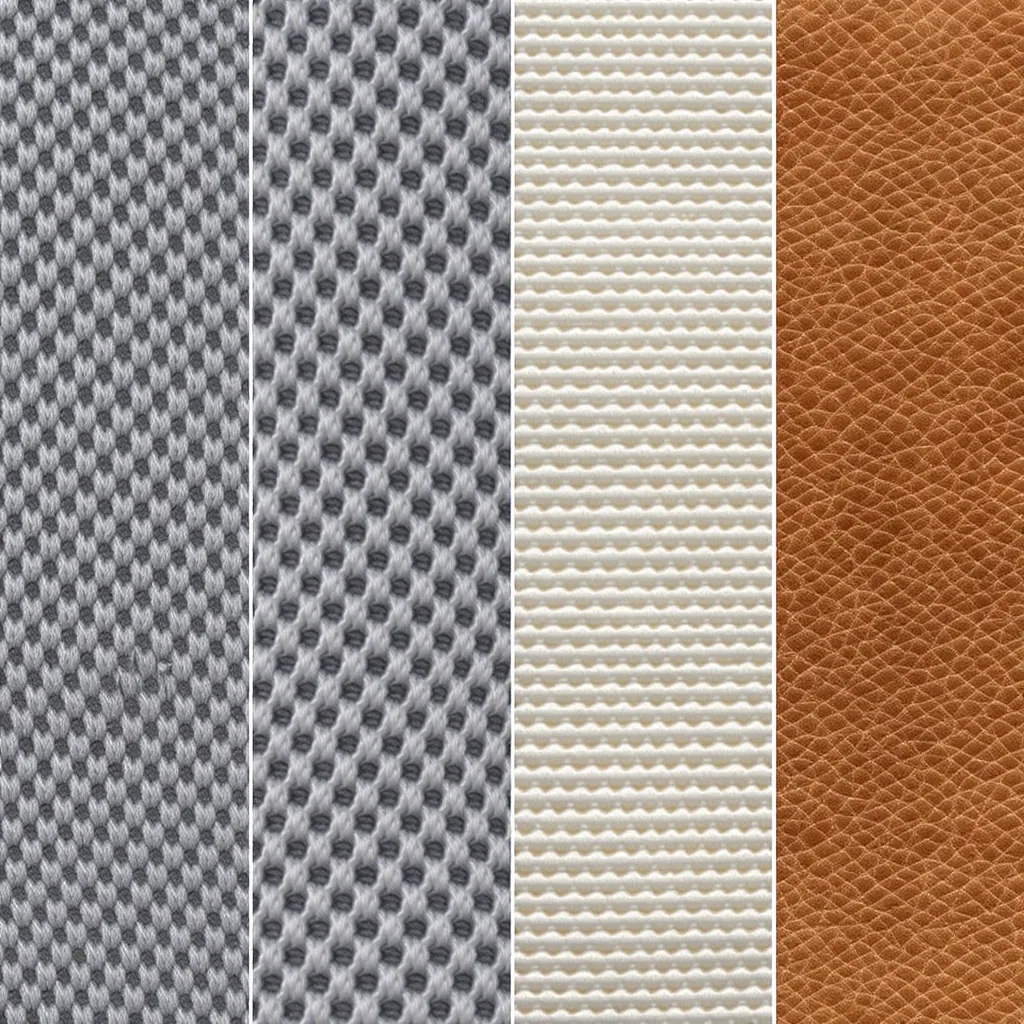
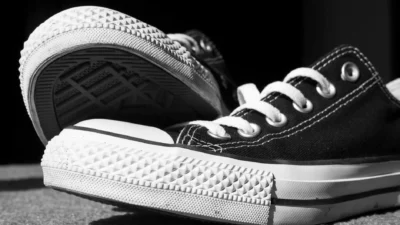
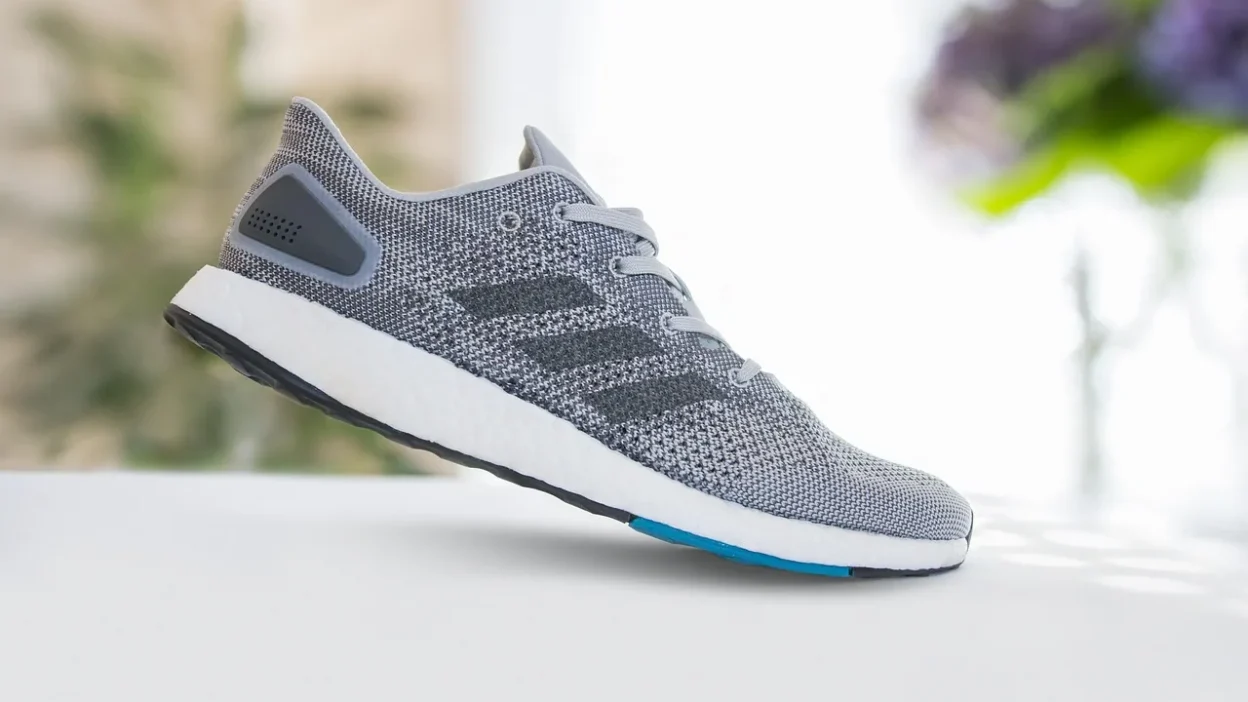
Mesh: A synthetic, breathable fabric with a grid-like, hole-punched pattern. It’s flexible and common in athletic sneakers. Canvas: A tightly woven, durable cotton or cotton-blend fabric, often used in casual sneakers and Converse-style shoes. Leather: A smooth, non-porous material (full-grain, nubuck, etc.) with a slight sheen. It can be wiped clean but needs conditioning. Suede: Leather that’s been brushed to create a soft, fuzzy nap. It’s delicate and stains easily. If you’re unsure, check the tag or product description online. This quick ID is the foundation of all effective material-specific shoe care.
Scenario 1: Tackling Mud & Dirt on Any Shoe
Mud is a universal enemy, but your response should be universal too: patience. The worst thing you can do is scrub wet mud, as it will grind the particles deeper into the fabric or grain.
The Universal First Steps
First, let the mud dry completely. Once it’s dry and crumbly, use a soft-bristled brush (an old toothbrush or a dedicated shoe brush) to gently knock off as much loose dirt as possible. Brush in one direction to avoid pushing debris back in. This step alone can solve 80% of a light mud issue and is crucial before any wet cleaning.
Material-Specific Wash-Up
For Mesh & Canvas: Create a solution of lukewarm water and a small drop of mild dish soap. Dip a soft-bristled brush or cloth into the solution, wring it out well so it’s only damp, and gently scrub the soiled areas. Rinse with a cloth dampened with clean water. For Leather: Use a barely damp microfiber cloth to wipe the surface clean. Follow up with a dry cloth to remove moisture. For Suede: Use a dry suede brush or a specialized suede eraser (like those from brands like Kiwi) to brush the nap and lift any embedded dirt. Never use water first on suede.
Scenario 2: Grass & Grease Stains on Canvas and Mesh
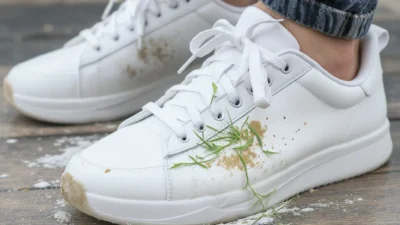
Porous materials like canvas and mesh are magnets for grass chlorophyll and grease. These stains set quickly, so prompt action is key. The goal is to lift the stain without bleaching the color or saturating the shoe.
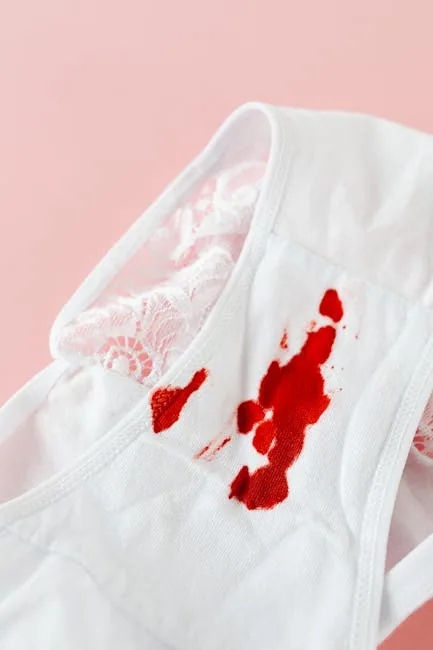
Photo by www.kaboompics.com on Pexels
Mix a stronger cleaning solution: a few drops of clear dish soap (like Dawn) in a small bowl of lukewarm water. The soap will break down the oils in grass and grease. Dip a clean, white cloth or soft brush into the solution, wring it out thoroughly, and dab at the stain—do not rub. Rubbing spreads the stain and damages the fabric weave. Continue dabbing, rinsing your cloth frequently, until the stain lifts.
Pro Tips for Stubborn Stains
- Pre-treat with soap: For set-in grass stains, apply a tiny dab of undiluted dish soap directly to the stain, let it sit for 5 minutes, then dab with your damp cloth.
- Air dry only: Never use a hair dryer or place shoes on a radiator. Heat can warp soles, weaken glue, and set stains permanently.
- Check the insole: Stains can bleed through. If the insole is removable, take it out to dry separately and check for discoloration underneath.
- White vinegar boost: For persistent organic stains, a 50/50 mix of white vinegar and water can be used as a final dabbing solution before a clean water rinse. Always spot-test first.
Scenario 3: Water Spots & Salt Stains on Leather and Suede
Winter brings a specific menace: water spots on leather and crusty white salt rings on both leather and suede. These require immediate attention to prevent permanent marking or material damage.
For Leather Sneakers: Salt is corrosive. Mix one part white vinegar with one part water. Dampen a cloth with the solution and gently wipe the salt-stained areas. The mild acid neutralizes the salt. Immediately wipe the area with a cloth dampened with plain water, then dry thoroughly with a clean towel. Once completely dry, apply a small amount of leather conditioner to replenish oils and prevent cracking.
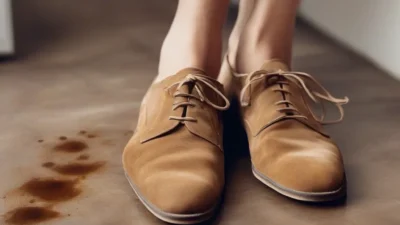
For Suede: Salt stains on suede are tricky. First, let the shoe dry completely. Then, use a dry suede brush to brush the nap and loosen the salt crystals. For remaining stains, lightly dampen a cloth with the same vinegar solution, dab (don’t rub) the stain, then quickly use the dry brush to restore the nap as it dries. For water spots, often just vigorous brushing with a suede brush as the material dries can redistribute the nap and make the spot disappear.
What Not to Do: Common Cleaning Pitfalls
Knowing what to avoid is just as important as knowing what to do. These common mistakes can turn a minor stain into a major disaster, permanently damaging your footwear.
Don’t Use Harsh Household Cleaners
Bleach, ammonia, or all-purpose cleaners are far too aggressive for shoe materials. They can strip dyes (causing color bleed), break down synthetic fibers, and dry out leather and suede beyond repair.
Don’t Throw Shoes in the Washing Machine
The agitation and spin cycle are brutal. They can detach soles, misshape the shoe’s structure, and cause different colored panels to bleed into each other. The heat from the dryer is a guaranteed way to warp soles and melt glues.
Don’t Scrub Aggressively
Especially on suede and delicate mesh, vigorous scrubbing flattens the nap, frays threads, and grinds the stain deeper. Always use a gentle dabbing or brushing motion.
Don’t Soak Your Shoes
Submerging shoes, even canvas ones, saturates the inner materials, leads to long drying times, promotes mildew growth, and can cause the insoles to break down.
Keep Your Kicks Looking Fresh
Successfully cleaning your shoes isn’t about having a magic potion; it’s about having the right plan. By first identifying your shoe’s material and then applying a targeted, gentle method, you can confidently tackle most common stains. Remember, regular, light cleaning after wear prevents small issues from becoming big problems. With this sneaker stain removal guide in your back pocket, you can extend the life of your favorite footwear and keep them looking their best, season after season. Don’t fear the stain—just approach it with knowledge and a little patience.
The core principle of effective shoe care is simple: match your cleaning method to the material. Here’s a quick recap of the key takeaways for each fabric:
- Mesh & Canvas: Use a mild soap solution, dab (don’t rub) stains, and always air dry. They are washable but sensitive to harsh chemicals and heat.
- Leather: Wipe clean with a damp cloth, use a vinegar solution for salt stains, and always condition after cleaning to maintain suppleness.
- Suede: Use dry brushes and erasers first. If you must use moisture, apply sparingly with a dabbing motion and immediately brush the nap to restore its texture.
- Universal Rule: Always let mud dry before brushing, avoid the washing machine and heat drying, and spot-test any new cleaner in an inconspicuous area.