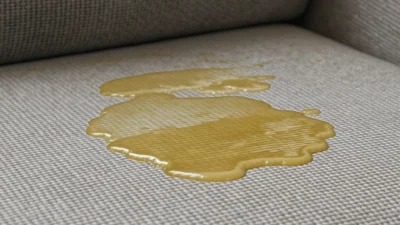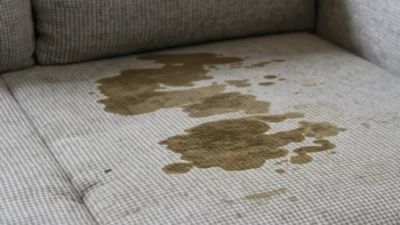
It happens in a heartbeat: a tipped glass, a splash of coffee, a stray crayon mark. Suddenly, you’re staring at a fresh stain on your sofa, and the familiar panic sets in. Your first instinct might be to grab the strongest cleaner you own and start scrubbing. But the real secret to effective couch stain removal isn’t about chemical warfare; it’s about a simple, often-overlooked piece of detective work. Success hinges on two things: knowing the secret code hidden on your sofa’s tag and having the patience to perform a crucial safety check. This guide cuts through the confusion, transforming that moment of dread into a clear, actionable plan. We’ll move from universal panic to a calm, diagnostic approach, matching your specific mess to the safest, most effective cleaning method for your fabric.
The safest way to tackle any couch stain starts with finding the fabric care code (usually W, S, WS, or X) on a hidden tag and performing a spot test in an inconspicuous area. From there, you can match the stain type—like coffee, ink, or grease—to a proven, gentle cleaning method. This guide will walk you through that exact process, ensuring you clean effectively without risking damage to your upholstery.
Decoding Your Sofa: The First Step is on the Tag
Before you even think about grabbing a cleaner, your first move is to find your sofa’s instruction manual—it’s sewn right into the fabric. Look for a tag, usually tucked under the cushions, along the bottom seam, or on the back of the frame. This tag holds the universal fabric care code, a single letter that dictates every cleaning decision you’ll make. Ignoring this code is the number one reason DIY couch stain removal attempts fail, leading to shrunken, faded, or permanently damaged upholstery.
The codes are standardized, but they can be cryptic. Here’s what they mean:
- W (Water-based cleaning): This fabric can handle water-based cleaners. A mild detergent solution is usually safe. Most common for synthetic blends and some cottons.
- S (Solvent-based cleaning only): Water is the enemy. This fabric requires dry-cleaning solvents, which you can find in commercial upholstery spot cleaning kits. Common for delicate fabrics like silk, velvet, or some treated wools.
- WS (Water or Solvent): The most flexible code. You can use either water-based or solvent-based methods, giving you more options for tackling different stain types.
- X (Professional cleaning only): Do not attempt any home cleaning. Vacuum only. This is for very delicate or specialty fabrics. Your only move is to call a professional sofa fabric stain cleaner.
These codes are defined by organizations like the International Association of Textile Care Labellers. Knowing yours transforms you from a hopeful guesser into an informed cleaner.
The Non-Negotiable Rule: How to Spot Test Correctly

Photo by Andy Barbour on Pexels
Finding your fabric code is step one. Step two is your insurance policy: the spot test. This isn’t a suggestion; it’s a non-negotiable rule for any upholstery spot cleaning methods you plan to use. A spot test checks for colorfastness and fabric integrity before you commit to the whole area.
Do: Test in a completely inconspicuous spot. The best places are under a cushion, behind the skirt, or on a back corner that faces the wall.
Don’t: Test on the armrest or the center of a cushion where any change would be glaringly obvious.
Here’s the correct process: Dab a small amount of your planned cleaning solution (diluted as you intend to use it) onto a white, absorbent cloth. Gently press the damp cloth onto the hidden test spot for 10-15 seconds. Then, check the cloth for any dye transfer. Next, check the test spot on your sofa. Has the color changed or faded? Has the texture become rough or puckered? If you see any change—even a slight one—stop. That method is not safe for your fabric. Wait for the area to dry completely to see the final result before proceeding.
Stain Scenarios: Matching the Mess to the Method
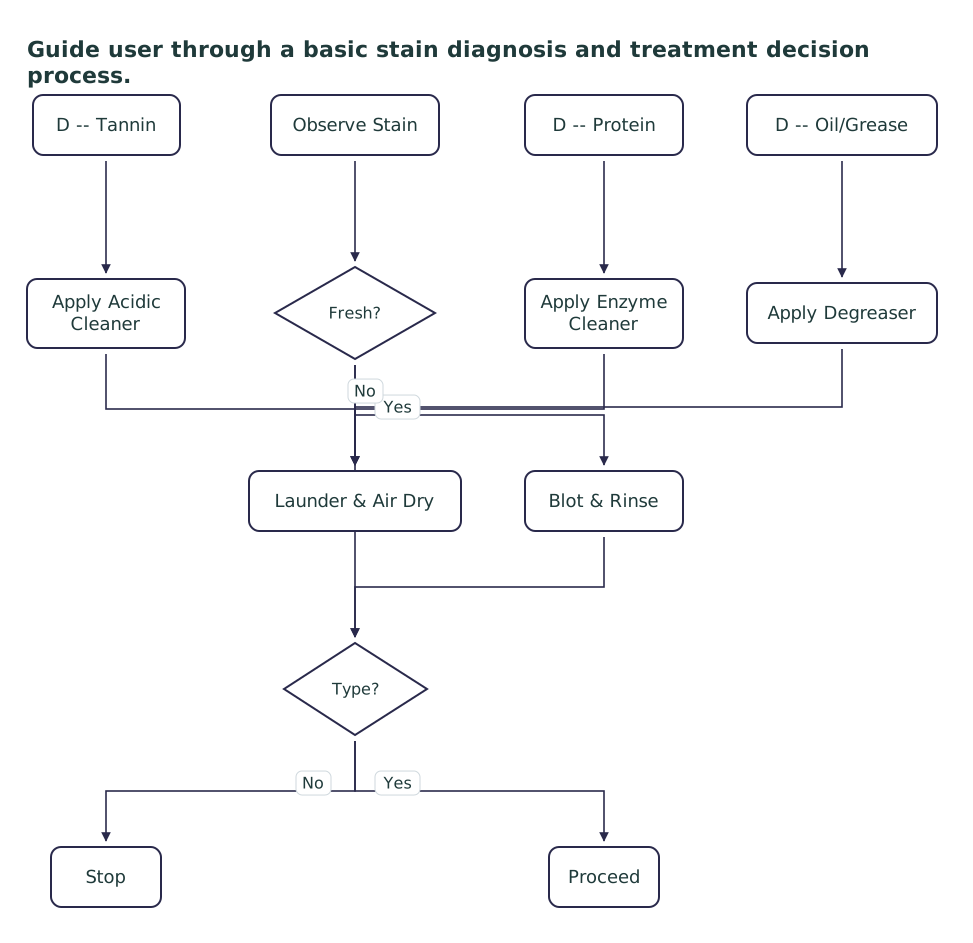
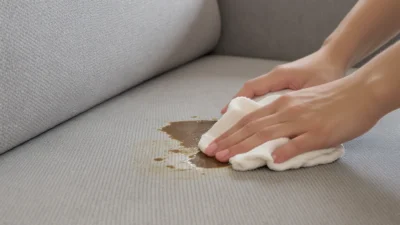
Now for the practical core of your couch stain removal guide. This is a diagnostic flow: identify the stain, consult your fabric code, then act. Your universal first action for any fresh liquid stain is to blot, never scrub, with a clean, dry, white cloth to absorb as much as possible.
Water-Based Stains (Coffee, Juice, Wine, Soda)
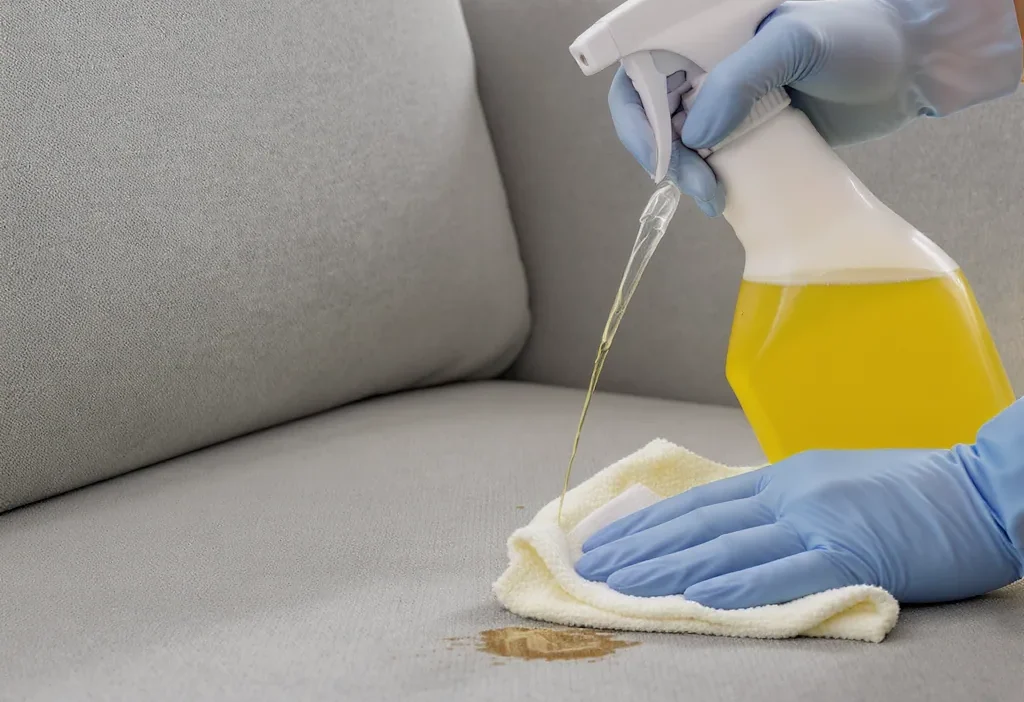
These are typically easiest if caught early. For W or WS coded fabrics, mix a teaspoon of clear, mild dish soap with a cup of lukewarm water. Using a white cloth dampened with the solution, blot the stain from the outside in. Rinse by blotting with a cloth dampened with plain water. For S coded fabrics, you must use a dry solvent cleaner per the product instructions.
Oil-Based Stains (Grease, Makeup, Food Oil)
Water can set these stains. For S or WS fabrics, a dry solvent is often the first line of attack. For W coded fabrics, you can try sprinkling cornstarch or baking soda to absorb the oil, letting it sit for 15 minutes before vacuuming. A follow-up with a mild soap solution may be needed.
Special Case Stains (Ink, Blood, Pet Accidents)
These require extra care. For ballpoint ink on a W or WS fabric, a dab of rubbing alcohol on a cotton swab can work (test first!). For blood, always use cold water (if fabric code allows) as heat sets the protein. For pet stains, an enzymatic cleaner designed for upholstery is the most effective solution for eliminating odors and residues.
Remember, this guide is for educational purposes to help you make informed decisions. When in doubt, especially with valuable furniture or X codes, consulting a professional is the safest diagnosis.
The Tools You Actually Need (And What to Avoid)
Effective safe couch cleaning methods don’t require a cabinet full of chemicals. A simple, gentle toolkit is best. Here’s what to have on hand:
- White microfiber cloths: Colored cloths can bleed dye, and terry cloth can be too abrasive.
- Clear, mild dish soap: For water-based solutions on W/WS fabrics.
- White vinegar: A diluted solution (1:1 with water) can help with odors and some water-based stains after soap.
- Rubbing alcohol (isopropyl): Useful for ink and some sticky residues, but always test first.
- Soft-bristle brush (like a toothbrush): For very gentle agitation on textured fabrics, only after blotting.
Avoid these common damaging tools: Harsh scrub brushes, colored paper towels, bleach, ammonia, and excessive water. Pouring water directly onto fabric can force the stain deeper into the padding, leading to mold and mildew. More cleaner is not better; a concentrated solution is harder to rinse out and can leave a sticky residue that attracts more dirt.
Common Couch Cleaning Mistakes That Cause Lasting Damage
Even with the best intentions, small errors can ruin fabric. Let’s troubleshoot the most frequent pitfalls so your couch stain removal guide leads to success, not regret.
Scrubbing Instead of Blotting
This is the instinctive reaction, but it’s disastrous. Scrubbing grinds the stain particles deeper into the fabric fibers and can fray delicate materials. Always blot gently, pressing straight down and lifting straight up to absorb the stain.
Using Too Much Liquid
Saturating the fabric is a recipe for long drying times, watermarks, and potential mildew growth in the cushion below. Use your cleaning solution sparingly on a cloth, not poured directly onto the sofa.
Ignoring the Fabric Care Code
Using a water-based cleaner on an S code can cause shrinking, stiffening, or dye bleeding. Assuming “all fabrics are the same” is a costly error.
Applying Heat to Dry
Using a hairdryer or placing the sofa in direct sunlight to speed drying can set any remaining stain compounds permanently into the fibers. Always allow upholstery to air dry completely at room temperature.
Skipping the Spot Test
We said it was non-negotiable. Applying a store-bought stain remover without testing it first is gambling with your sofa’s appearance. What works on your cotton t-shirt may melt your polyester blend sofa fabric.
The Patient Path to a Clean Couch
The core tradeoff in sofa cleaning is clear: quick, aggressive action offers the illusion of control but carries a high risk of lasting damage. The patient, code-informed approach requires a moment of pause but offers the highest chance of success. True cleaning power doesn’t come from the strongest chemical; it comes from knowledge. Your sofa’s fabric care tag is its manual, and your spot test is your insurance policy. By starting there, you move from panic to a plan, equipped to handle the inevitable spill with confidence and care.
When a stain strikes, remember this critical path:
- Find the Code: Locate the fabric care tag (W, S, WS, or X) before you do anything else.
- Spot Test Religiously: Always test your cleaner on a hidden area to check for color bleed or texture change.
- Match the Method: Identify if the stain is water-based, oil-based, or a special case, and choose a cleaner that aligns with your fabric code.
- Blot, Never Scrub: Gently press to absorb; aggressive rubbing spreads the stain and damages fibers.
Keep your tools simple and gentle, and avoid the common mistakes of over-wetting or using heat. This framework is your key to maintaining a fresh, clean sofa for years to come.