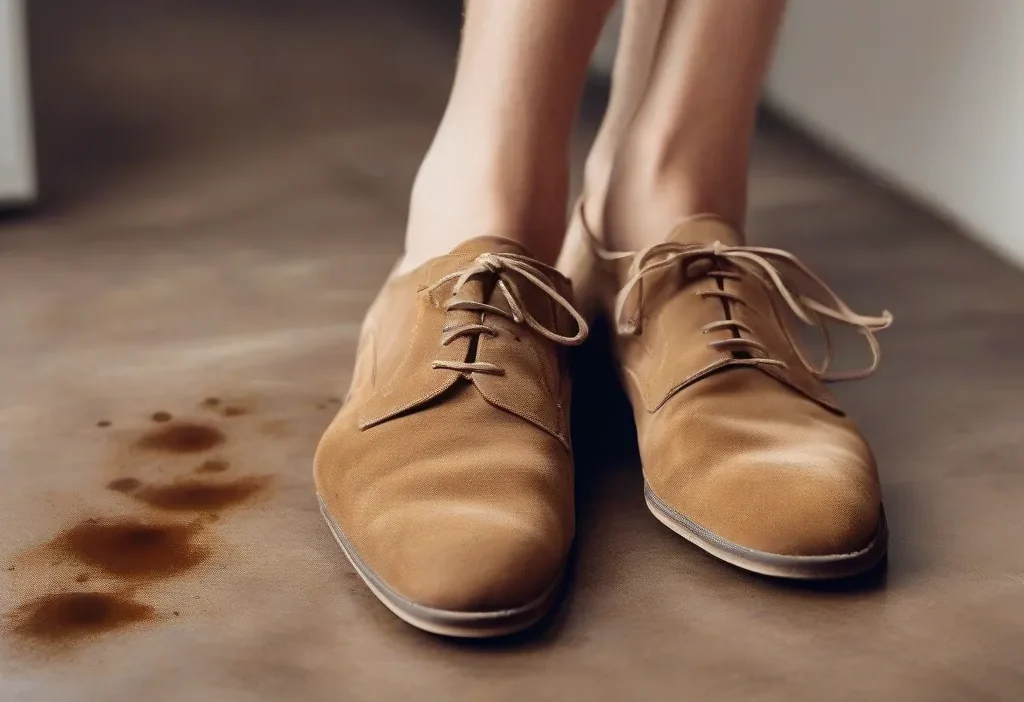
You’re admiring your favorite suede shoes when you see it—a dark, mysterious blotch or a pale, crusty ring. Your heart sinks. The immediate, panicked instinct is to grab the nearest cleaning product and attack the spot. But with suede, that’s the fastest way to turn a temporary mark into a permanent scar. The single most important rule for cleaning suede is this: the correct fix depends entirely on correctly diagnosing the stain. Water marks and oil spots are fundamentally different enemies, and using the wrong weapon will backfire spectacularly. This isn’t a general cleaning guide; it’s a diagnostic playbook. We’ll cut through the confusion, show you exactly how to identify what you’re dealing with, and give you the precise, safe protocol to remove stains from suede shoes for good.
Here’s how to remove stains from suede shoes: first, identify the stain type. Water marks are lighter, crusty rings caused by moisture and minerals. Oil spots are darker, greasy patches that absorb into the fibers. For water marks, use a suede brush and eraser. For oil spots, apply a specialized suede cleaner or cornstarch to absorb the grease. Never use water on an oil stain or vice-versa.
The First Rule: Diagnose Before You Treat
Your immediate reaction to a stain might be to grab the nearest cleaning product, but with suede, that’s a one-way ticket to permanent damage. The single most important step in suede shoe stain removal is correct identification. Treating a water mark like an oil spot (or vice-versa) will set the stain and can ruin the delicate nap of the leather.
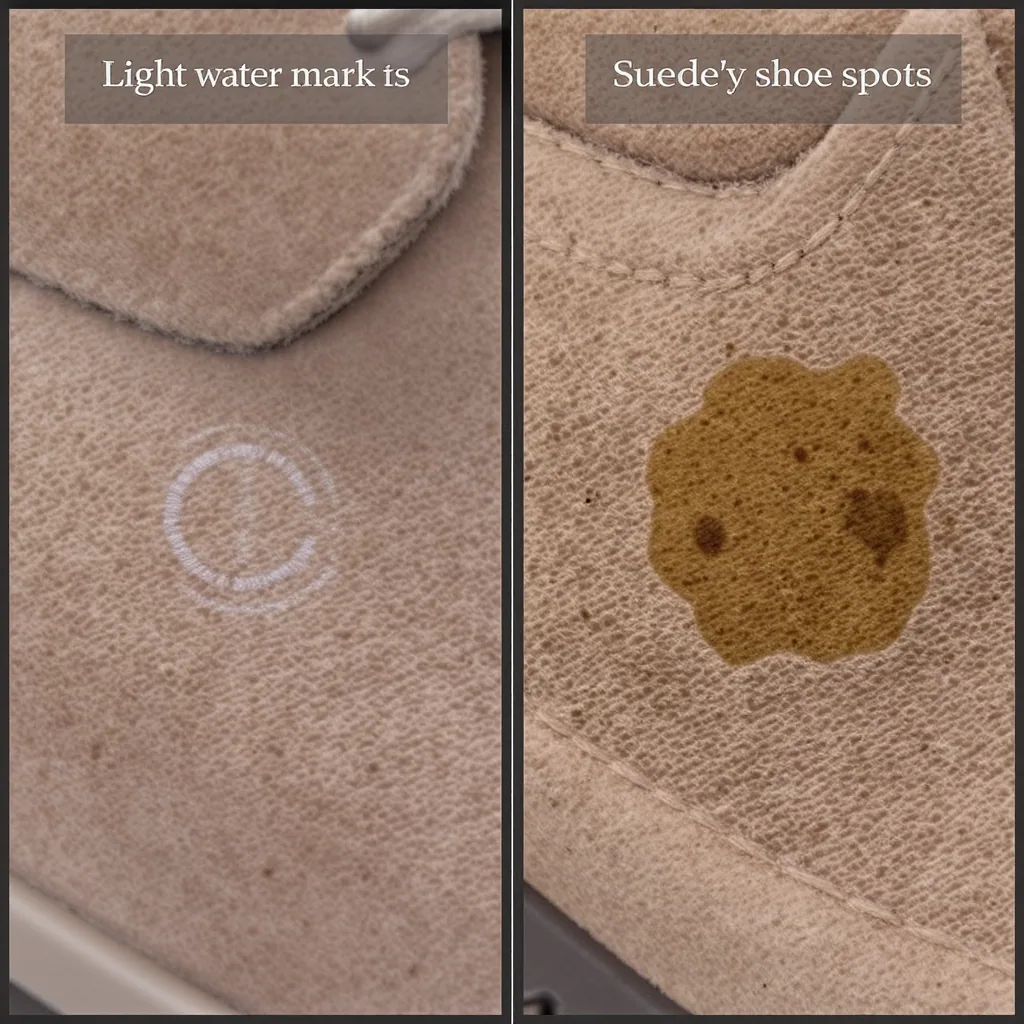
Here’s how to tell them apart at a glance:
Water Marks (like from rain or a spilled drink): These appear as lighter, often whitish or crusty rings. The stain isn’t from dirt, but from minerals in the water that are left behind as it dries, stiffening the fibers. The area feels dry and rough to the touch. Correct suede water mark removal is about dealing with this residue, not a penetrating grease.
Oil Spots (like from food grease or hand lotion): These show up as darker, greasy patches. The oil absorbs into the suede fibers, darkening them and often leaving a slightly shiny or damp-looking spot. The area may feel slick. Successful oil stain suede shoe cleaning requires pulling that grease back out of the material.
Get this diagnosis right, and the rest is a straightforward protocol. Get it wrong, and you’ll likely make the problem much worse.
Protocol for Water Marks: The Dry-Only Approach
Since water marks are just mineral deposits on the surface, your entire strategy is dry. Introducing any liquid cleaner here can spread the minerals or create a new, larger stain. Follow these steps to clean suede water spots effectively.
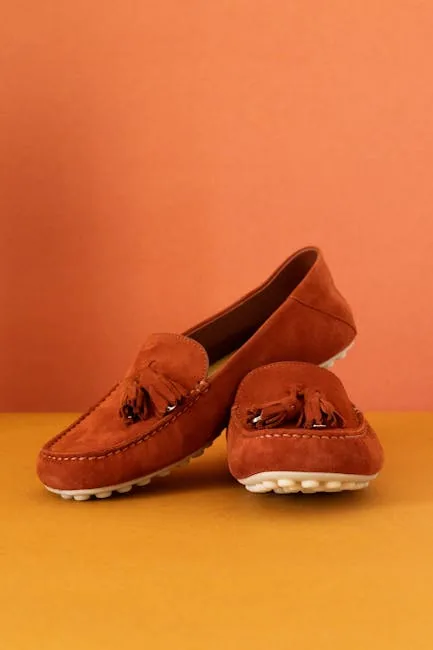
Photo by Anzor Dukaev on Pexels
Step 1: Let It Dry Completely
If the shoe is wet, stuff it with paper towels or a shoe tree to help it keep its shape and let it air-dry at room temperature. Never use direct heat from a hairdryer or radiator, as this can bake the stain in and shrink the leather.
Step 2: Brush Vigorously with a Suede Brush
Once bone-dry, take a dedicated suede brush (one with brass or nylon bristles) and brush the stained area firmly in one direction. This will break up the crusty mineral deposit and lift the nap of the suede. You’ll often see the mark begin to fade significantly at this stage.
Step 3: Attack Stubborn Marks with a Suede Eraser
For persistent rings, use a suede eraser (a rubbery, gritty block). Rub it gently back and forth over the mark. The eraser acts like a gentle abrasive to lift the remaining residue. Brush away the eraser dust with your suede brush.
Step 4: Final Brush
Give the entire panel a thorough, consistent brush to restore the uniform texture and nap. This final step is crucial for blending the treated area with the rest of the shoe.
Protocol for Oil Spots: The Absorption Strategy
Oil stains require a different mindset: absorption. Your goal is to draw the grease out of the fibers. Water-based cleaners will not mix with the oil and will only risk creating a water stain on top of your oil problem. Here’s the proven method to get oil out of suede.
Step 1: Blot Any Excess Liquid
If you’ve just spilled something oily, immediately use a clean, dry cloth or paper towel to gently blot—not rub—the spot. Rubbing will grind the oil deeper into the suede.
Step 2: Apply an Absorbent Powder
Generously cover the entire stain with a dry absorbent. Cornstarch, talcum powder, or even baking soda (for lighter suedes) work well. The powder should be a thick layer, completely obscuring the spot. Gently press it into the fibers. Let it sit for at least 8 hours, preferably overnight. The powder will slowly pull the oil up and out.
Step 3: Brush Away the Powder
After waiting, use your suede brush to thoroughly remove all the powder. You should see a noticeable improvement. If the stain is faint or gone, a final all-over brush may be all you need.
Step 4: Apply a Dedicated Suede Cleaner (If Needed)
For a remaining dark patch, it’s time for a specialized suede cleaner or stain remover, like Saphir Omninettoyant or a similar product. Apply a tiny amount to a clean cloth and dab (don’t rub) the stain, following the product’s instructions. Let it dry completely.
Step 5: Final Restoration
Once the cleaner is dry, brush the area again to reactivate the nap. For severe cases, you may need to repeat the powder or cleaner process. This suede cleaning for different stains approach is patient but effective.
Common Mistakes That Ruin Suede
In the panic to fix a stain, even well-intentioned actions can cause irreversible harm. Here are the critical errors to avoid, which stem from misunderstanding suede care for water vs oil.
- Using Water on an Oil Stain: This is the most common and damaging error. Water and oil don’t mix; pouring water on a grease spot will only spread the oil and create a larger, combined stain that’s nearly impossible to fix.
- Using Vinegar or DIY Detergent Mixes: Household cleaners are not formulated for suede’s delicate pH and dyed finish. They can strip color, stiffen the leather, or leave their own residue.
- Scrubbing Too Hard or with the Wrong Tool: Aggressive scrubbing with a rough cloth flattens and damages the suede nap permanently. Always use a proper suede brush with a gentle, lifting motion.
- Using Heat to Dry: Placing shoes near a heater or using a hairdryer can cook stains into the fibers and cause the leather to shrink, crack, or warp.
- Using Generic Shoe Polish or Stain Removers: Products made for smooth leather will clog suede’s porous surface, creating a shiny, patchy mess. Only use products labeled specifically for suede or nubuck.
Your Suede Stain Rescue Plan
Stains on suede shoes are stressful, but they’re not a death sentence if you have the right plan. Remember the simple diagnostic rule: light and crusty means water, dark and greasy means oil. Everything flows from that identification.
You now have a clear, step-by-step playbook for each scenario. The dry-brush method for water marks, and the patient absorption strategy for oil spots. Avoid the common panic-driven mistakes, and trust the process. Your shoes are more resilient than you think when treated correctly.
So, take a breath, examine the spot, and follow the right protocol. You’ve got this.
To explore this further, check Shoe & Sneaker Stain Removal.