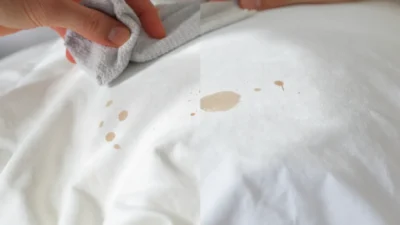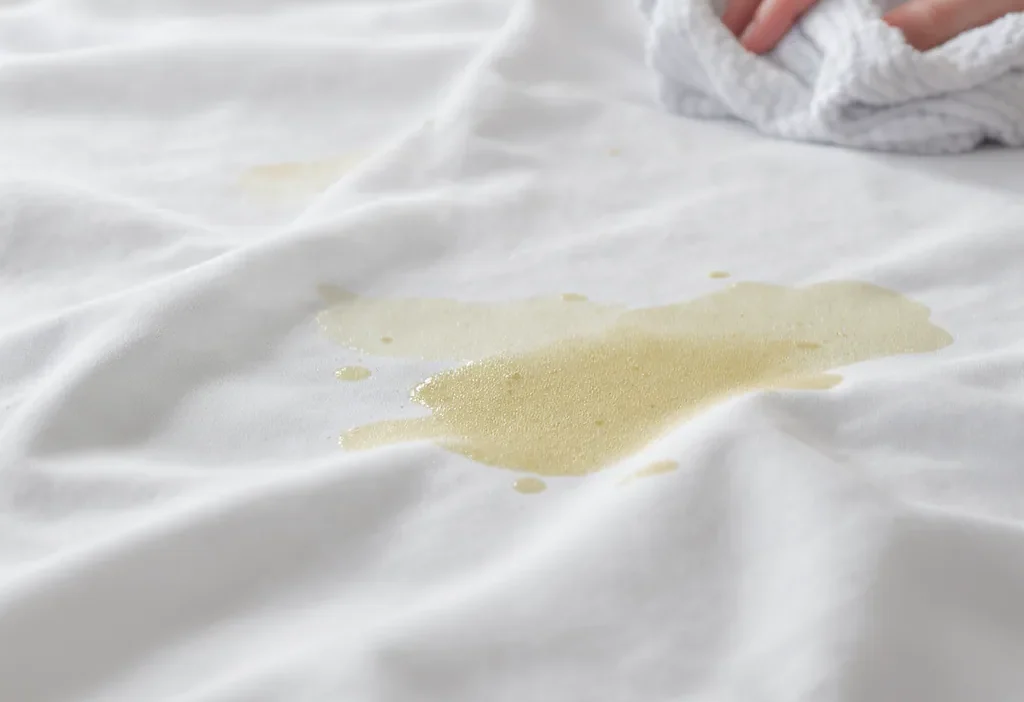
If you’ve ever pulled a supposedly clean sheet from the dryer only to find those familiar yellow stains still staring back at you, you’ve likely fallen for a common laundry myth. The instinct to wash stained bedding in hotter water or reach for chlorine bleach is strong, driven by the idea that more heat and power equals more cleanliness. But here’s the frustrating truth: that approach is often what makes yellow stains on bedding permanent. Those discolored patches aren’t simply dirt; they’re a chemical reaction. A combination of body oils, salts, and acids from sweat binds with fabric fibers and can react with minerals in your water or ingredients in your detergent. Treating them like a simple grime stain is a recipe for disappointment. Understanding this shifts the goal from aggressive cleaning to smart, fabric-safe chemistry, which is the only reliable way to remove sweat stains from sheets for good.
To safely remove sweat stains from sheets, avoid hot water and chlorine bleach, which can set the yellow discoloration. Instead, pre-treat stains with a paste of baking soda and diluted hydrogen peroxide or an enzyme-based cleaner, then wash in cool water. This method breaks down the oils and proteins causing the stain without damaging the fabric. Always check your sheet’s care label first and test any treatment on a hidden seam.
Myth vs. Fact: What Those Yellow Stains Really Are
Before you attack those yellow stains on bedding, it’s crucial to understand what you’re dealing with. Many common cleaning instincts are based on myths that can make the problem worse. Let’s clear those up first.
Photo by Ron Lach on Pexels
Myth 1: Hot Water Cleans Everything Better
Fact: Heat sets stains, especially protein-based ones. Sweat isn’t just water; it’s a complex cocktail of body oils (sebum), salts, urea, and minerals. Applying hot water during the first wash can cause these oils and proteins to bind permanently to the fabric fibers, creating a stubborn, yellowed area that’s much harder to remove.
Myth 2: Chlorine Bleach is the Ultimate Whitener
Fact: Chlorine bleach can react with the body oils and proteins in sweat, causing a chemical reaction that leads to permanent yellowing. This is a classic case of the “cure” being worse than the disease. It doesn’t clean the stain; it can literally change the color of the fabric where the stain was.
The science is straightforward: our skin’s natural oils (sebum) are slightly acidic, but they can oxidize and change when mixed with alkaline laundry detergents or hard water minerals. This combination, trapped in the fibers, is what you see as yellow stains on sheets or general sheet discoloration. It’s a chemical change, not just surface dirt.
Your Fabric Safety Check: Cotton, Linen, & Delicates
Not all sheets are created equal, and using a one-size-fits-all approach to stain removal can damage your bedding. The first step in any safe cleaning process is to identify your fabric. This quick guide will point you toward the right protocol.
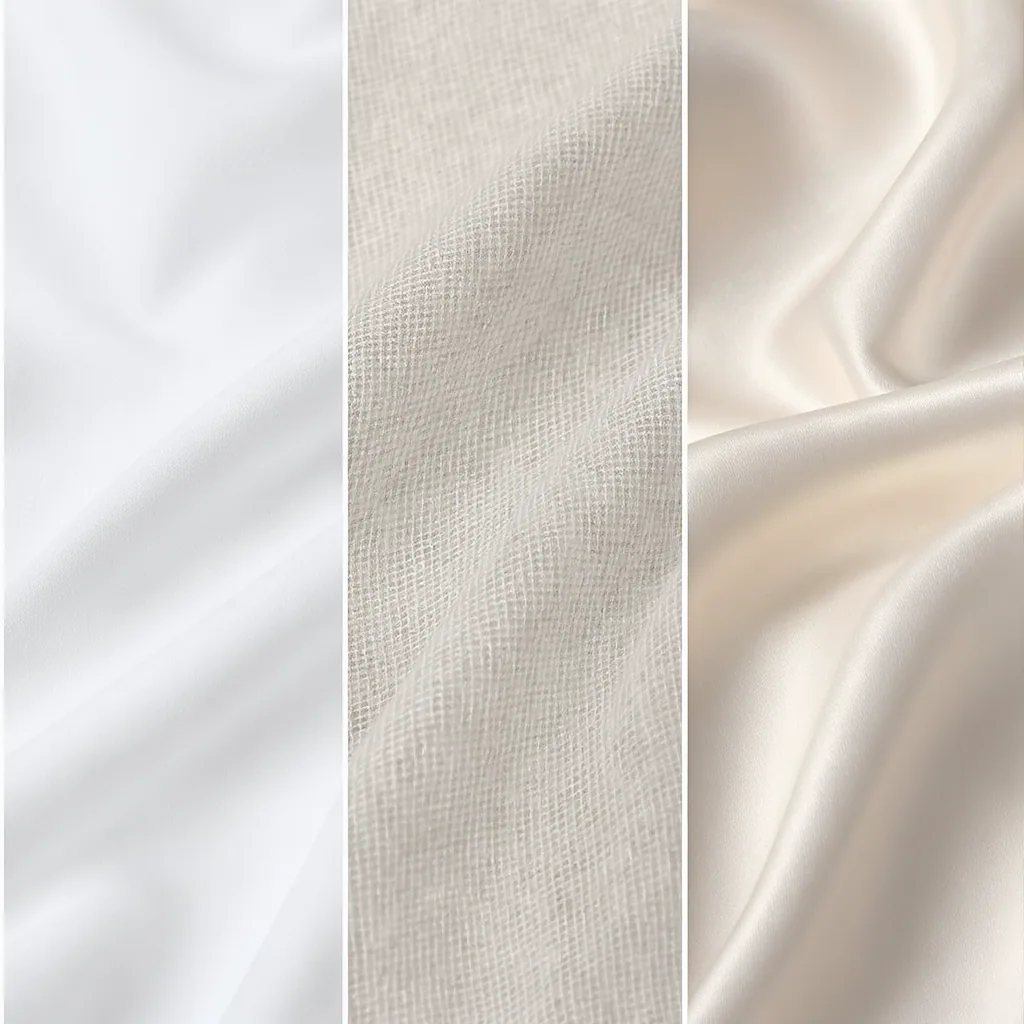
Sturdy Natural Fibers (Cotton & Linen)
These are your workhorses. Standard cotton and linen sheets are durable and can handle more robust cleaning agents like baking soda and diluted hydrogen peroxide. They are generally pre-shrunk and colorfast, making them the safest bet for at-home stain-fighting.
Delicate & Synthetic Blends (Bamboo, Rayon, Microfiber)
Fabrics like bamboo viscose or rayon are often more delicate and prone to weakening or damage from harsh chemicals. Microfiber, while synthetic, can trap oils deeply. For these, gentler methods are required.
High-Delicate Fabrics (Silk, Satin, Certain Performance Fabrics)
Silk and satin require extreme care. Avoid any home remedies like peroxide or vinegar on these. Always check the manufacturer’s care label first—when in doubt, professional cleaning is the safest route for tackling body oil stains and sheet cleaning on these materials.
The Safe Removal Protocol (Step-by-Step)
Now that you know what the stains are and what your sheets are made of, here are two clear, fabric-specific paths to clean sweat-stained sheets. Think of this as a “Do this, not that” guide to avoid common pitfalls.
For Sturdy Cotton or Linen Sheets
DO THIS: Create a pre-treatment paste. Mix a tablespoon of baking soda with enough 3% hydrogen peroxide to form a thick paste. For larger areas, you can add a squirt of clear, blue-free dish soap (which helps cut grease).
DON’T: Use undiluted peroxide or bleach. Always use the standard 3% solution found at drugstores.
DO THIS: Apply the paste directly to the dry stain, gently working it in with your fingers or a soft brush. Let it sit for 30-60 minutes. Don’t let it dry completely.
DON’T: Scrub aggressively. This can damage the fibers and grind the stain deeper.
DO THIS: Wash the sheets in the coolest water setting recommended for the fabric. Use your regular detergent. Skip the fabric softener, as it can coat fibers and trap residual oils.
DON’T: Put the sheets in the dryer until you are certain the stain is gone. Heat will set any remaining residue. Air-dry them first to check.
For Delicate Fabrics (Bamboo, Rayon, Blends)
DO THIS: Use an enzyme-based stain remover or laundry detergent. Enzymes are designed to break down protein and oil stains gently. Brands like OxiClean (the Versatile Stain Remover, not the bleach-based varieties) or detergents with protease enzymes are good options.
DON’T: Use the baking soda and peroxide paste. It may be too harsh.
DO THIS: Always test any cleaner on an inconspicuous area, like an inside seam, first.
DO THIS: Apply the enzyme cleaner according to the bottle’s instructions, usually by dabbing it on the stain and letting it sit. Then, wash on a gentle, cool cycle.
Common Mistakes That Make Stains Worse
Even with the best intentions, it’s easy to accidentally turn a treatable issue into a permanent one. Here are the key mistakes to avoid when dealing with yellow stains on bedding.
1. Washing in Hot Water First: As covered, this is the number one error. Heat sets the oils and proteins, making subsequent removal attempts far less effective.
2. Reaching for Chlorine Bleach: On sweat and body oil stains, chlorine bleach is often the point of no return, causing a chemical yellowing that is virtually impossible to reverse.
3. Drying Before Checking: The dryer’s heat is your enemy until the stain is 100% gone. Always air-dry sheets after treating and washing them so you can inspect your work. If the stain remains, you can repeat the treatment without setting it.
4. Overusing Detergent or Fabric Softener: Excess detergent doesn’t rinse out completely and can leave a residue that attracts dirt and oils. Fabric softener coats fibers, which can trap stain-causing particles and reduce fabric absorbency over time.
5. Scrubbing Too Hard: Vigorous scrubbing can fray delicate fibers and spread the body oil stain over a wider area, making it larger and more embedded. Gentle dabbing or brushing is always better.
Fresh, Clean Bedding is Within Reach
Dealing with sweat stains on sheets is a common part of life, not a sign of poor hygiene or failing laundry skills. The key is shifting your strategy from “attack with heat and bleach” to “gently break down the chemistry.” By understanding what causes those yellow stains and choosing a fabric-safe method, you can effectively restore your sheets without damaging them.
Remember, patience is part of the process. It might take more than one treatment for older, set-in stains. Prioritizing the safety and longevity of your bedding over a quick, aggressive fix will save you money and frustration in the long run. Now you have the knowledge to tackle those stains confidently and get back to enjoying the feeling of truly clean, fresh sheets.